10 months ago
Supreme Court Questions Trump's Tariff Authority, Alternative Options Remain
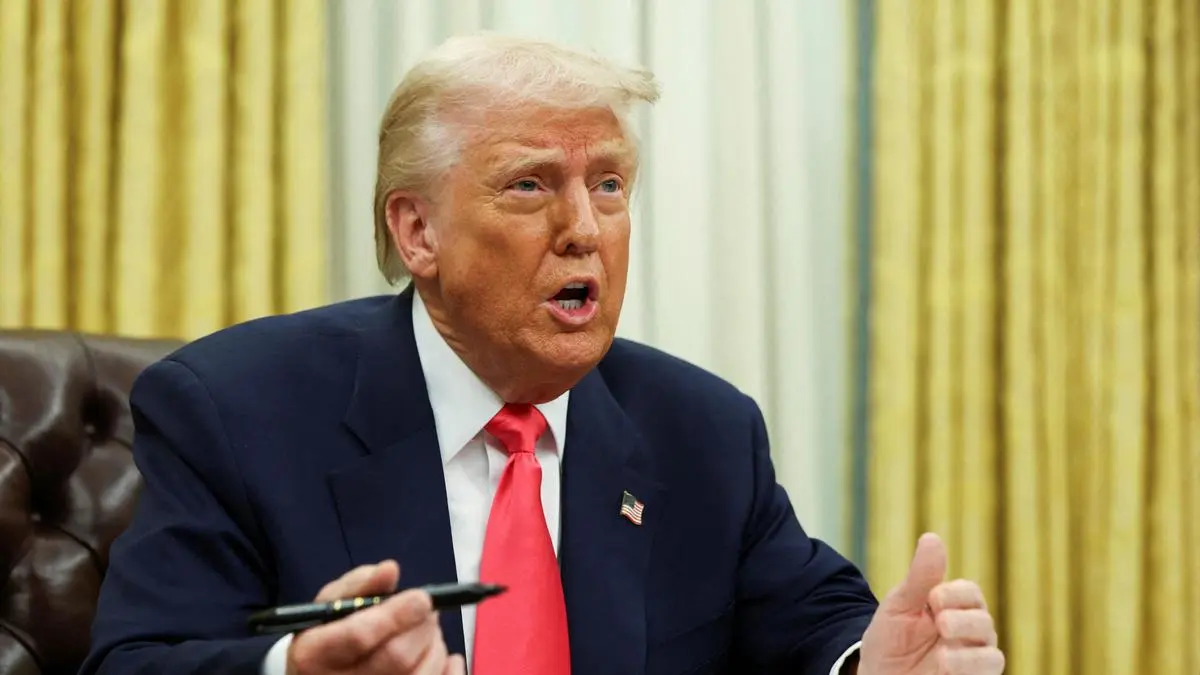
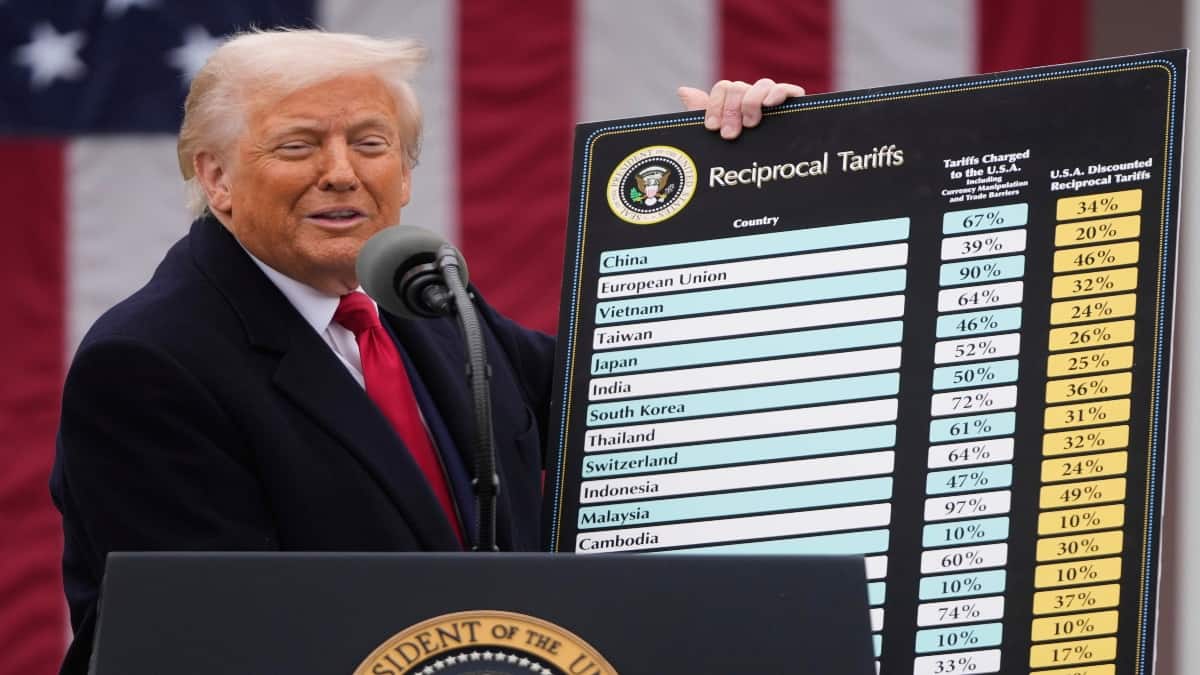
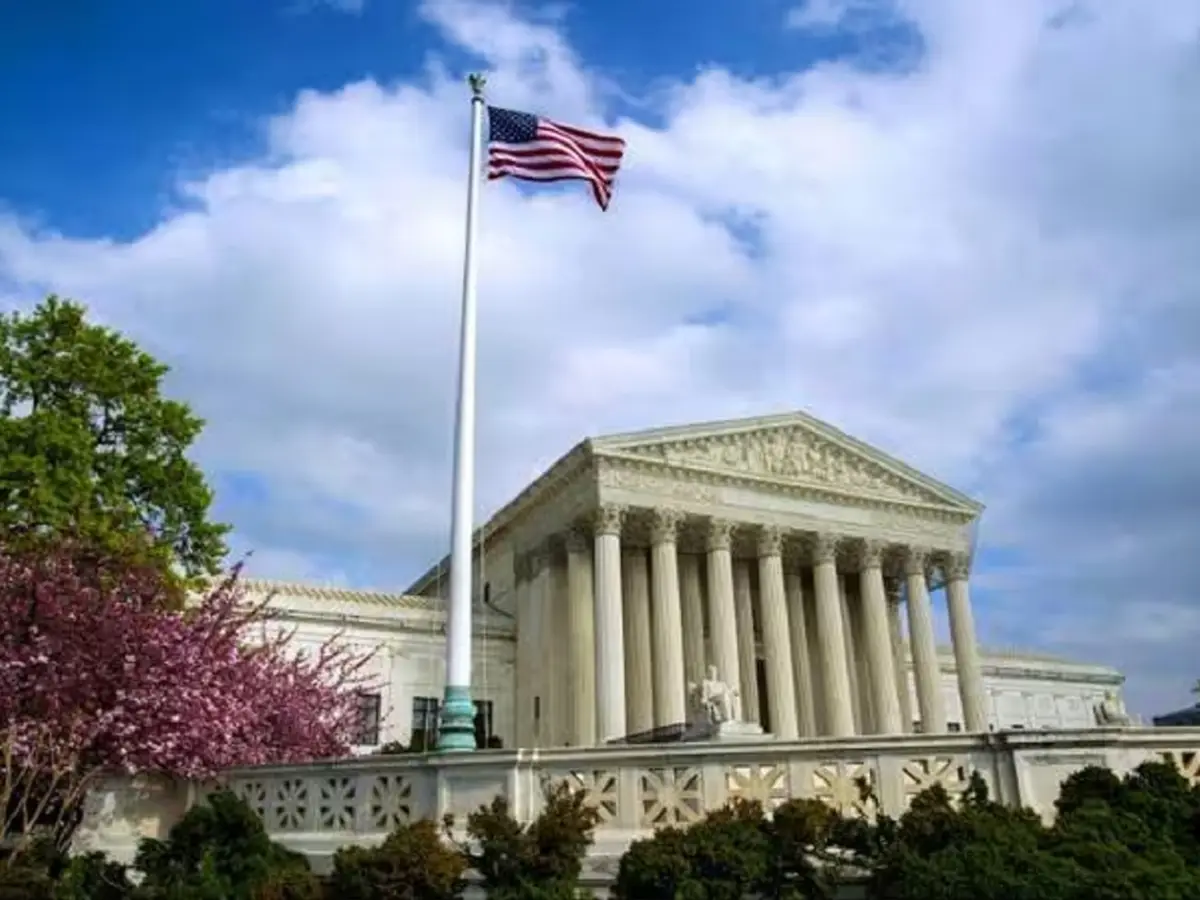
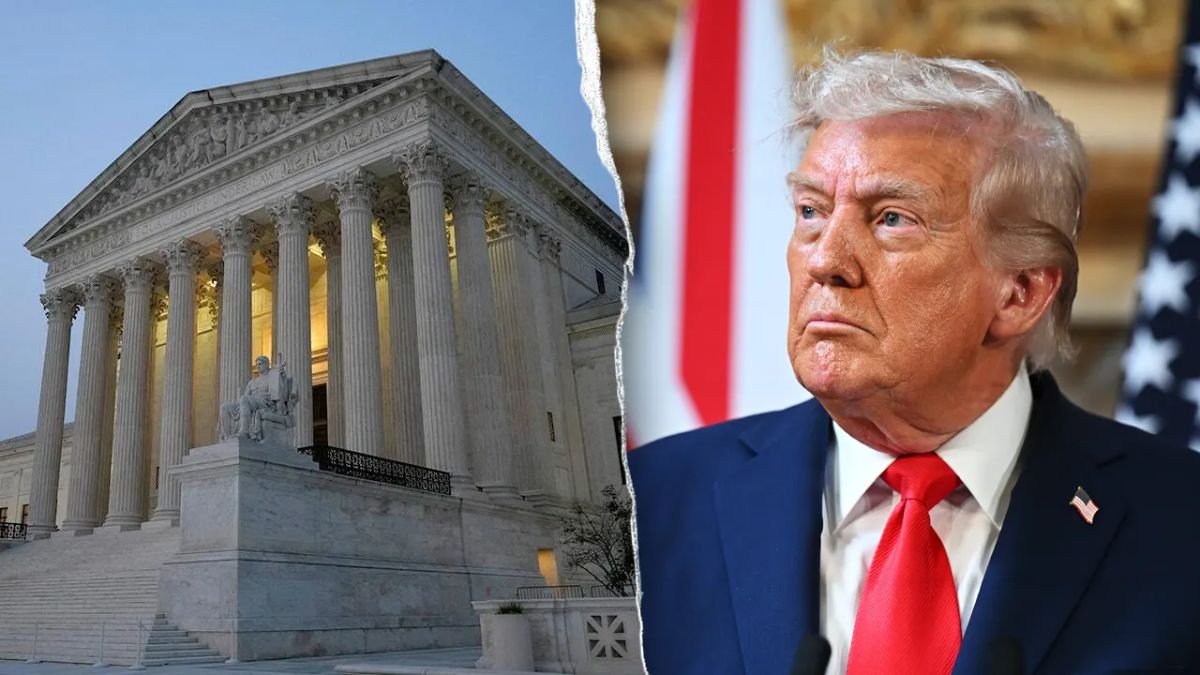
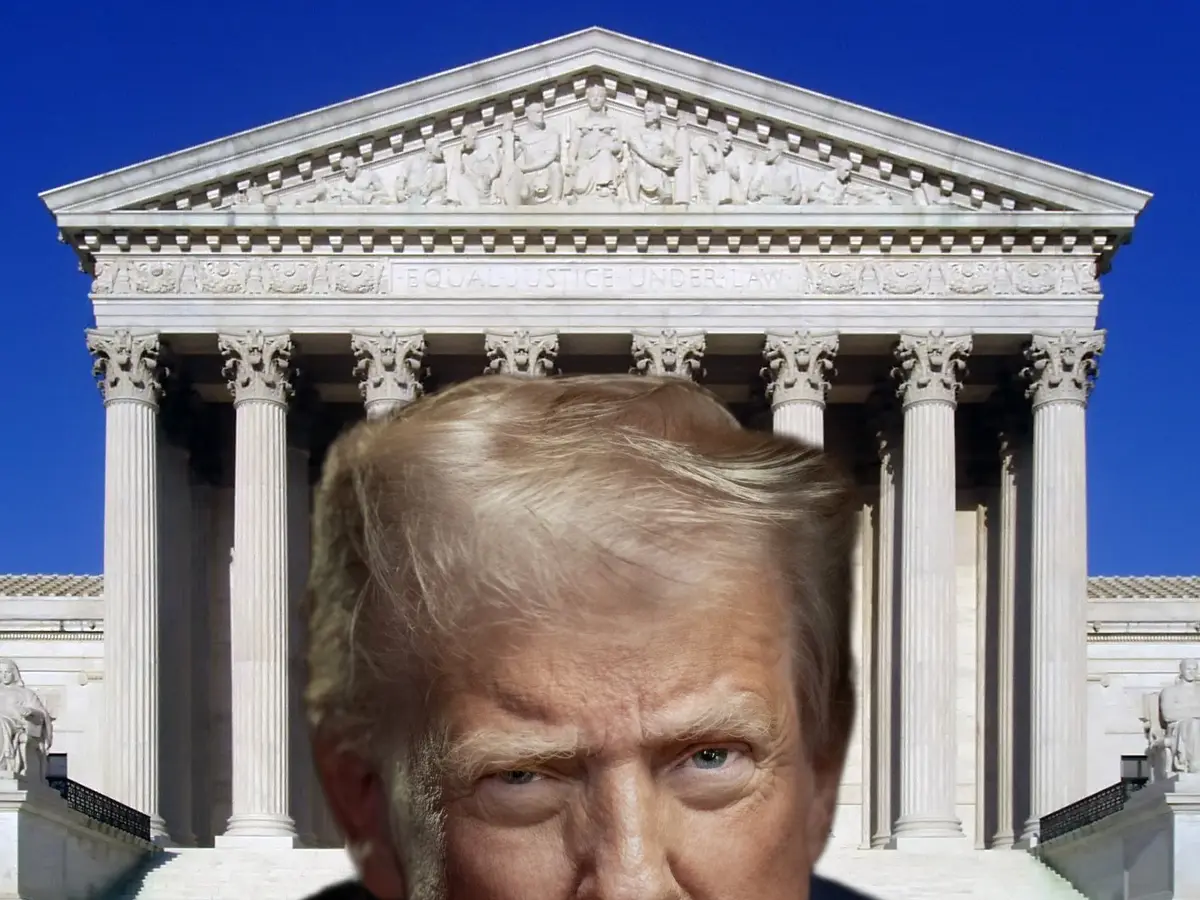
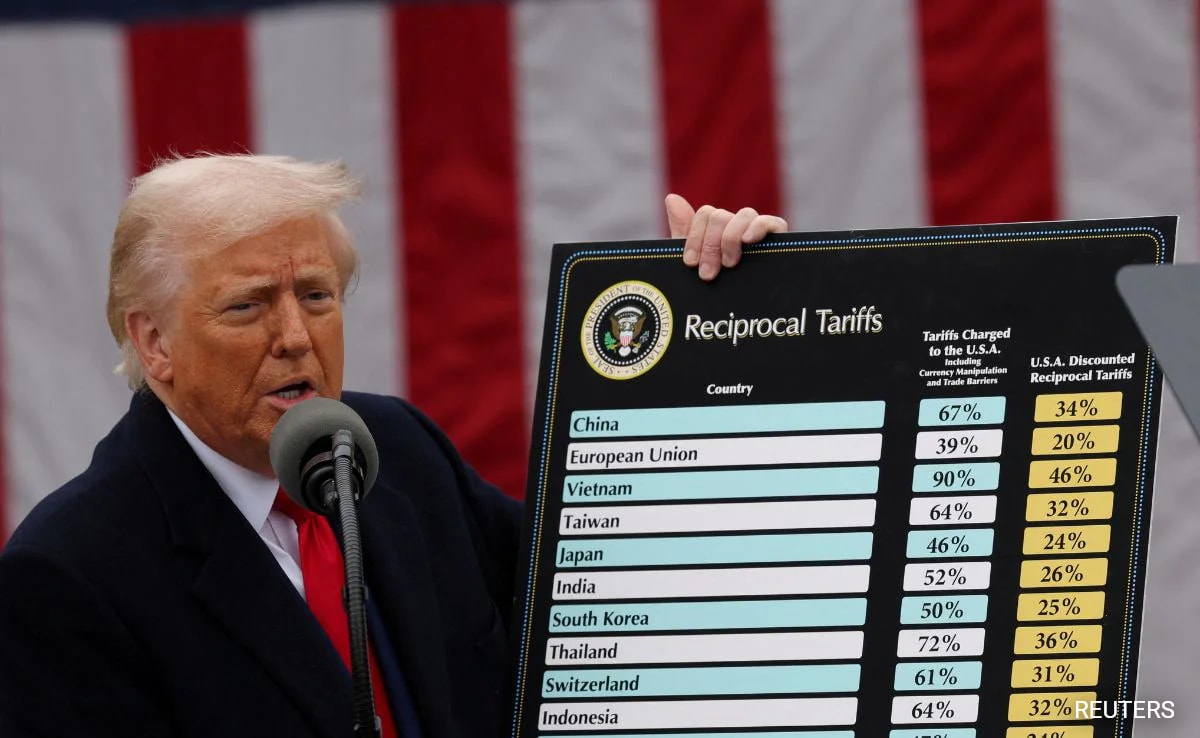
The highest court in the US heard arguments about whether President Trump had the right to put extra taxes, called tariffs, on goods from almost every country using a special emergency law.
Some judges seemed unsure if this law really lets the President do something as big as imposing taxes, as usually only Congress can decide on taxes.
The President's lawyers say these tariffs are needed because of emergencies and that he has the power to do this.
If the judges say the President can't use this specific emergency law for tariffs, it might mean companies that paid them could get their money back.
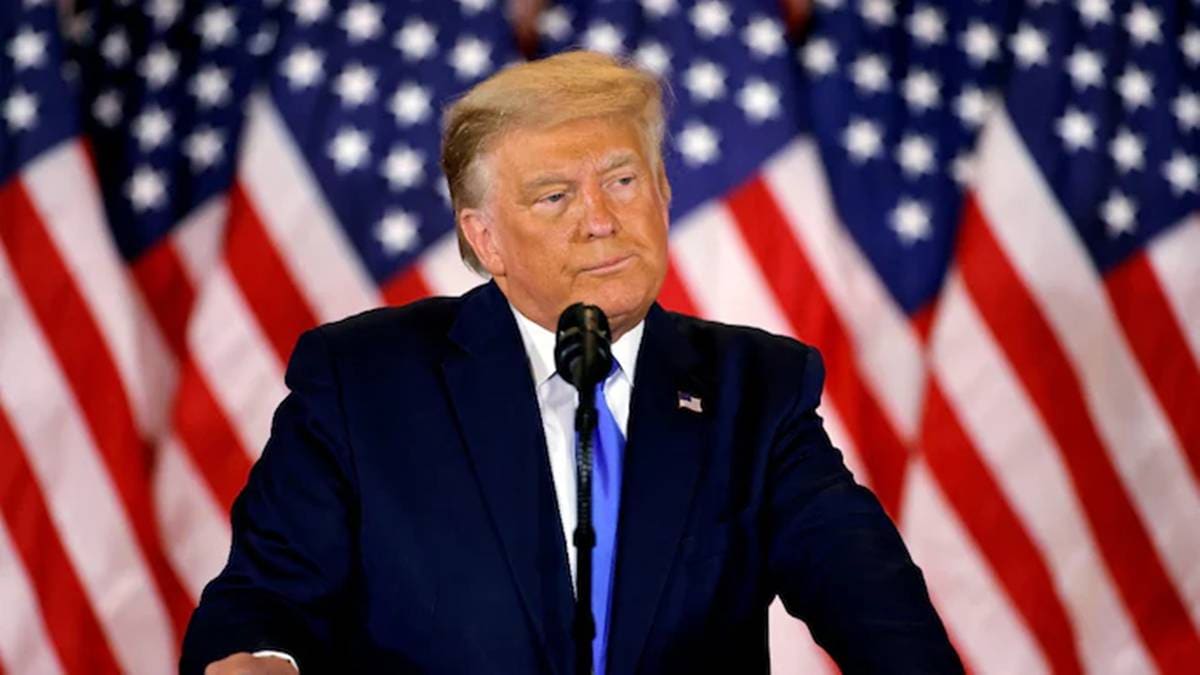
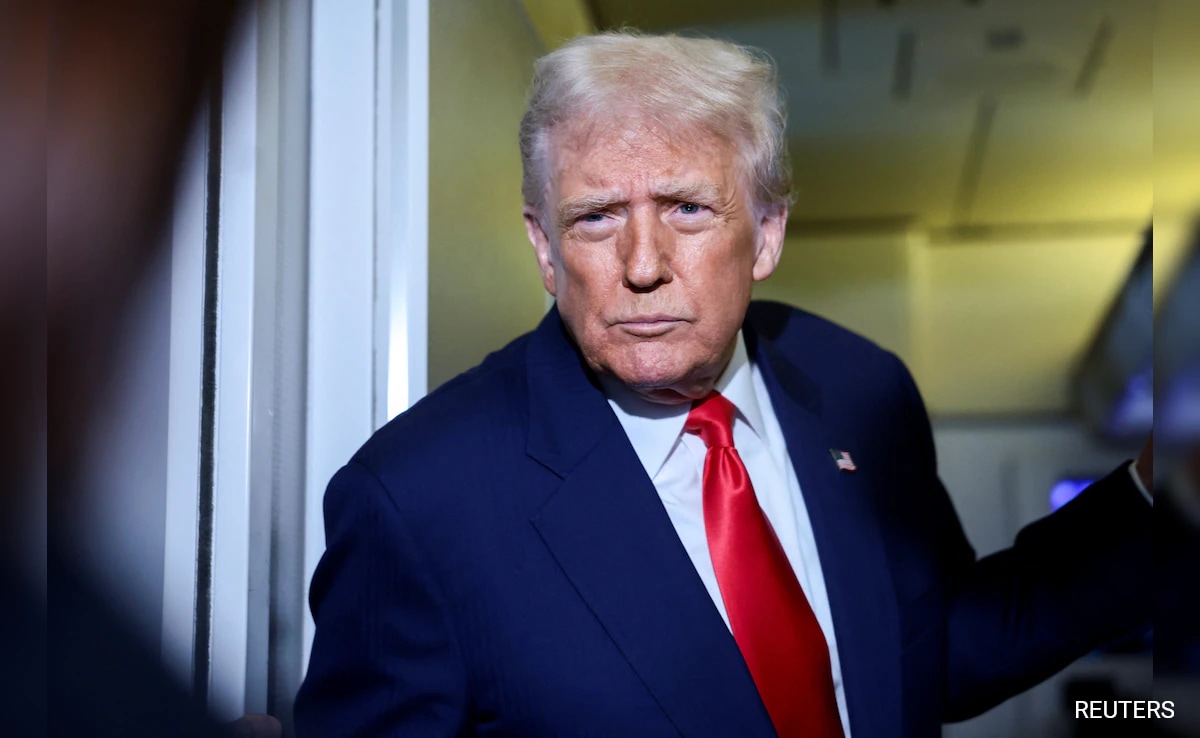
However, even if this one law is ruled invalid, experts say President Trump has other laws he can use to still put taxes on imported goods, so tariffs might continue.

The Supreme Court heard arguments questioning President Trump's authority to impose global tariffs under the International Emergency Economic Powers Act (IEEPA).
Justices expressed skepticism and deep concerns regarding the use of IEEPA for broad tariff impositions, suggesting it may exceed presidential powers and noting it has never been used for this purpose.
If the Supreme Court strikes down the IEEPA tariffs, businesses that paid them may be entitled to refunds, with approximately $90 billion collected in revenue.
Experts suggest that even if the court overturns the current tariffs, President Trump has several other statutory authorities available to impose similar duties.
Alternative authorities mentioned include Section 301, Section 232 of the Trade Expansion Act, and provisions within the Tariff Act of 1930, which have varying conditions and historical contexts.
- Who
- Supreme Court justices, Trump administration officials, businesses challenging tariffs, trade law professors.
- What
- Oral arguments were heard at the US Supreme Court regarding the legality of President Trump's authority to impose global tariffs under the International Emergency Economic Powers Act (IEEPA), with justices expressing skepticism and considering alternative executive powers for future tariffs.
- Where
- US Supreme Court.
- When
- November 5 (oral arguments heard).
- Why
- To determine if President Trump exceeded his authority by using IEEPA to impose global tariffs, and to examine the implications for presidential trade powers and the availability of alternative methods for imposing tariffs.
Arguments Against Trump's Tariff Authority
Arguments Supporting Trump's Tariff Authority and Alternative Options
Use of International Emergency Economic Powers Act (IEEPA)
Arguments Against Trump's Tariff Authority
Supreme Court justices, led by Chief Justice John Roberts, expressed deep concerns and skepticism regarding the Trump administration's use of the IEEPA to impose global tariffs, noting it has never been used for such purposes and questioning if it exceeds presidential authority for broad tariff imposition.
Arguments Supporting Trump's Tariff Authority and Alternative Options
The administration, represented by US Solicitor General D John Sauer, argued that the IEEPA statement includes the power to impose tariffs, making its use applicable. Experts also note that even if the court overturns tariffs imposed under IEEPA, President Trump has numerous other statutory authorities to implement similar duties.
Scope of Presidential Power vs. Congressional Authority
Arguments Against Trump's Tariff Authority
Justices questioned the administration's assertion of power to impose tariffs on any product, from any country, in any amount, and for any length of time, suggesting this broad claim might be a 'misfit' for the law. The US Constitution generally grants Congress the power to tax.
Arguments Supporting Trump's Tariff Authority and Alternative Options
While the court's decision is pending, the administration warns that overturning the tariffs could leave the US 'defenseless.' The existence of alternative presidential powers, such as Sections 301 and 232, suggests that trade policy could continue to be shaped by the executive branch.
Potential Consequences of Overturned Tariffs
Arguments Against Trump's Tariff Authority
If the tariffs are struck down, businesses that paid them may be entitled to refunds, potentially involving complex processing and significant financial implications for the Treasury, as approximately $90 billion in revenue has been collected. Consumers might also have grounds to sue businesses for passing on unlawful tariff costs.
Arguments Supporting Trump's Tariff Authority and Alternative Options
If tariffs are overturned, consumers could benefit from lower prices on imported goods, potentially saving households money. However, Trump has claimed the US would be left 'defenseless' and reduced to 'Third World status' if tariffs are removed.
Key facts
- Law in Question
- International Emergency Economic Powers Act (IEEPA)
- Date of Hearing
- November 5
- Total Revenue Collected (as of September)
- $90 billion
- Average US Tariff (Jan 2025 estimate)
- 17.9% (highest since 1934)
- Alternative Authority 1
- Section 301 of the Trade Act of 1974 (used against China, no size limit, requires investigation into 'unjustifiable', 'unreasonable', or 'discriminatory' practices)
- Alternative Authority 2
- Section 232 of the Trade Expansion Act of 1962 (national security basis, difficult for courts to challenge)
- Alternative Authority 3
- Section 338 of the Tariff Act of 1930 (up to 50% on discriminatory imports, no investigation required)
- Historical Precedent
- Smoot-Hawley Tariff Act of 1930 (criticized for worsening the Great Depression)
Timeline
An appeals court found some Trump tariffs unlawful.
Then, it let them continue during review.
The Supreme Court now hears the case.
Justices debate his executive authority on tariffs.
Arguments center on presidential versus congressional power.
Quotes

Chief Justice John Roberts
Chief Justice of the U.S. Supreme Court, a Trump nominee
“never”
 livemint.com
“Correct me on this if I’m not right about it, but the justification is being used for a power to impose tariffs on any product, from any country, in any amount, for any length of time”
livemint.com

Donald Trump
Former President of the United States
“reduced to almost Third World status”
livemint.com
“we’d have to pay back money”
livemint.com
CNN report
a CNN report
“deep concerns”
livemint.com
“picked apart”
livemint.com
US Solicitor General D John Sauer
US Solicitor General representing the Trump administration
“the power to impose tariffs”
livemint.com
experts
experts on trade law
“plenty of options”
livemint.com
Kathleen Claussen
Georgetown trade law professor
“It’s hard to see any pathway here where tariffs end. I am pretty convinced he could rebuild the tariff landscape he has now using other authorities”
livemint.com
Stratos Pahis
Brooklyn Law School professor
“will have other tools that can cause pain”
livemint.com
John Veroneau
general counsel for the U.S. trade representative in the George W. Bush administration
“so they have a lot of control over the outcome”
livemint.com
Sources
US Supreme Court Weighs Legality Of Trump Tariffs In High Stakes Hearing
Tariffs are here to stay, even if the Supreme Court rules against Trump - Telegraph India

US Supreme Court expresses skepticism over Trump’s use of emergency powers to impose tariffs
US Supreme Court questions Trump’s authority on tariffs as blockbuster hearing begins
Who Is Neal Katyal? Lawyer Arguing Against Trump In Supreme Court Tariff Case
Trump tariffs face Supreme Court test in trillion-dollar test of executive power
US Supreme Court justices appear sceptical of Trump’s tariffs argument

US Supreme Court questions legality of Trump’s global tariffs
Trump’s sweeping tariff powers face scrutiny from conservative Supreme Court justices - US News
What if Supreme Court strikes down Trump tariffs? Here is all the government can do
US Supreme Court might end or limit Trump tariffs, and India will smile
What Will Happen If US Supreme Court Strikes Down Tariffs? Trump Has Options

US Supreme Court justices appear skeptical of Trump tariffs, raise sharp questions during high stakes hearing
A Trump Supreme Court tariff defeat would add to trade uncertainty
US Supreme Court Questions Legality Of Donald Trump's Sweeping Tariffs