3 days ago
Trump’s Canada Tariffs Face Untested Legal Questions Under 1930 Law
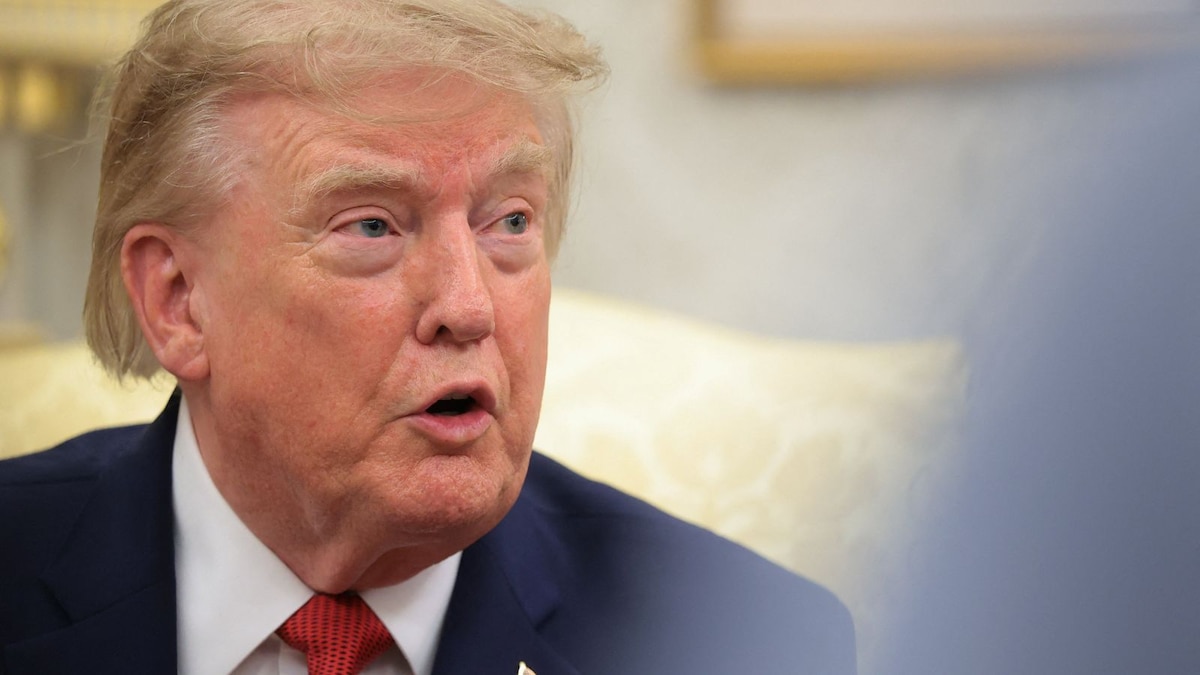
President Donald Trump used an old American law to put large taxes on some goods from Canada.
The law allows tariffs of up to 50% when another country treats American businesses unfairly.
Canada responded with its own tariffs on American goods.
Lawyers disagree about whether the old law can still be used this way.
Some say newer trade laws may have replaced or limited it.
They also say the United States did not show exactly how much harm Canada’s policies caused.
Another lawyer says the tariffs fit the law because Canada taxed American goods more heavily in some situations.
No company has sued over these particular tariffs yet, and the two countries might still negotiate an agreement.

President Donald Trump invoked Section 338 of the Tariff Act of 1930 to impose a 50% tariff on $20 billion in Canadian imports.
Canada retaliated dollar-for-dollar, escalating tensions between the neighboring countries and longtime allies.
Legal experts question whether Section 338 remains valid after later trade laws narrowed presidential tariff authority.
Critics say the tariffs may not match the alleged harm and target products unrelated to the cited disputes, including hockey sticks and cement.
No lawsuit has yet challenged the Section 338 tariffs, while talks between the United States and Canada could still resume.
- Who
- President Donald Trump, the United States, Canada, trade lawyers, and legal advocates are involved.
- What
- The Trump administration imposed tariffs on Canadian imports under the previously unused Section 338 of the Tariff Act of 1930, prompting Canadian retaliation and legal questions.
- Where
- The measures affect trade between the United States and Canada.
- When
- The tariffs were announced a week before the article was published; the article also says negotiations broke off on August 21.
- Why
- The administration said Canada discriminated against United States dairy, automobile, and alcoholic-beverage exports.
Critics and Legal Challengers
Administration Defenders
Whether Section 338 remains available
Critics and Legal Challengers
Some lawyers argue that later trade laws, including the Trade Expansion Act of 1962 and the Trade Act of 1974, may have superseded or limited Section 338.
Administration Defenders
Supporters argue that Section 338 remains on the books and directly authorizes presidential tariffs when another country discriminates against United States imports.
Whether the tariffs match the alleged harm
Critics and Legal Challengers
Critics say the administration did not calculate the dollar value of the harm and imposed tariffs on products unrelated to the cited dairy, automobile, and alcoholic-beverage disputes.
Administration Defenders
Former United States Trade Representative general counsel John Veroneau argues that the tariffs are justified if Canada taxes United States imports more heavily than imports from other countries.
Canada’s dairy policies
Critics and Legal Challengers
Legal scholars argue that Canada’s dairy rules apply to many trading partners, not only the United States, and that the United States accepted the system in a North American trade pact.
Administration Defenders
Supporters of the tariffs point to Canada’s treatment of United States imports, including retaliatory tariffs imposed after earlier United States measures, as potentially meeting the statute’s requirements.
Key facts
- Legal authority
- Section 338 of the Tariff Act of 1930
- Tariff rate
- Up to 50%; the new measure applies a 50% tax to $20 billion in Canadian imports
- Canadian response
- Canada imposed dollar-for-dollar retaliatory tariffs
- Products mentioned
- Dairy, automobiles, alcoholic beverages, hockey sticks, and cement
- Use of Section 338
- The article says no president had used or tested the provision in court before Donald Trump
- Legal challenge
- No lawsuit had been filed against these Section 338 tariffs
- Potential resolution
- The United States and Canada could resume talks and reach a compromise
Quotes
Sara Albrecht
CEO of the Liberty Justice Center, which represented businesses challenging earlier Trump tariffs
“Courts will rightly feel obliged in the face of any challenge (to decide): Are the statutory requirements met or are they not met, however ludicrous the broader context might be”
 CNBC TV 18
“This law is literally a blank canvas because it’s never been litigated”
CNBC TV 18
Sources
Related news
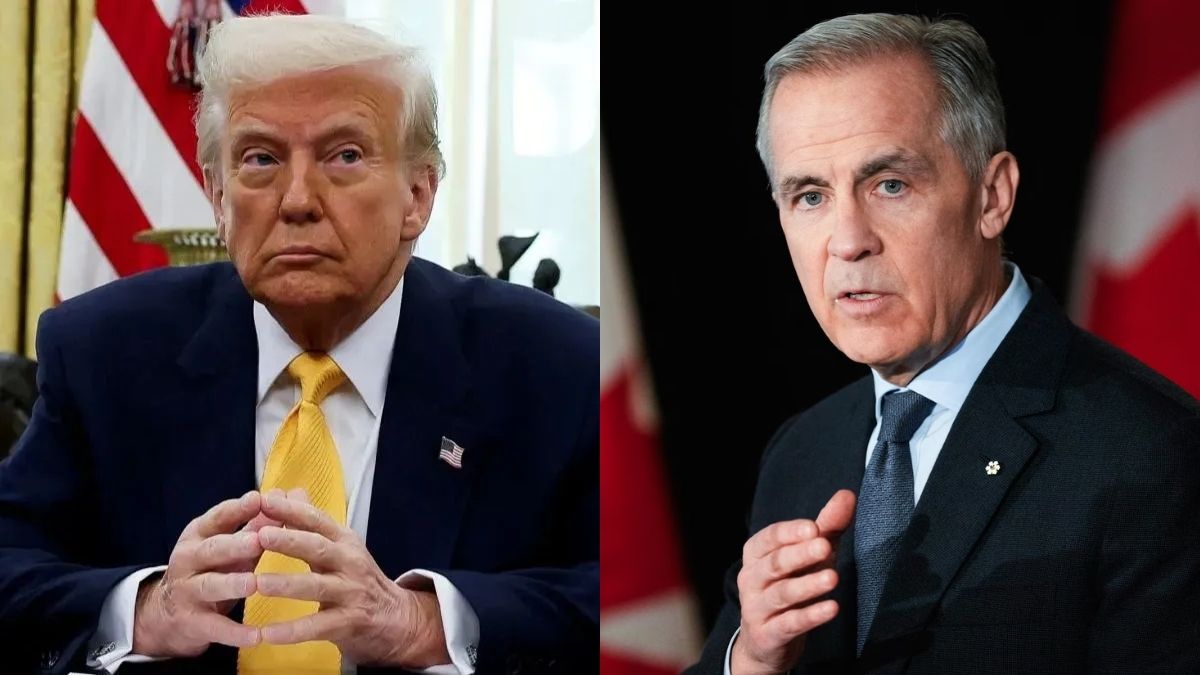
Trump threatens 50% tariffs on $20 billion of Canadian goods

Carney Trump Trade War Raises Economic and Political Risks
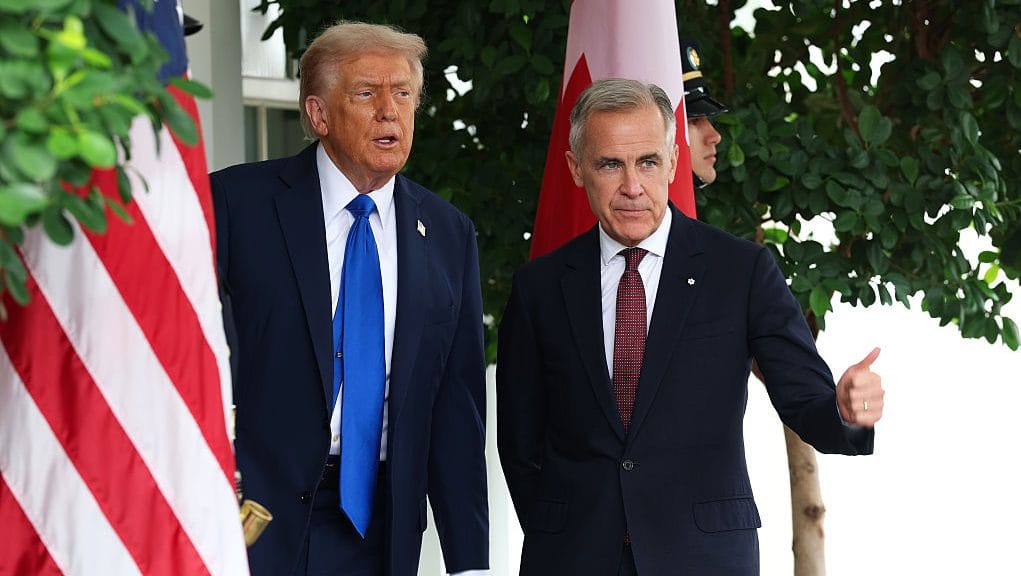
Trump Pauses 50% Canada Tariffs After Tentative Deal
Trump’s 50% Tariffs Hit Hundreds of Canadian Products
Supreme Court Questions Trump's Tariff Authority, Alternative Options Remain