

3 hrs ago
Supreme Court Sets Aside Life Terms Over Evidence Gaps
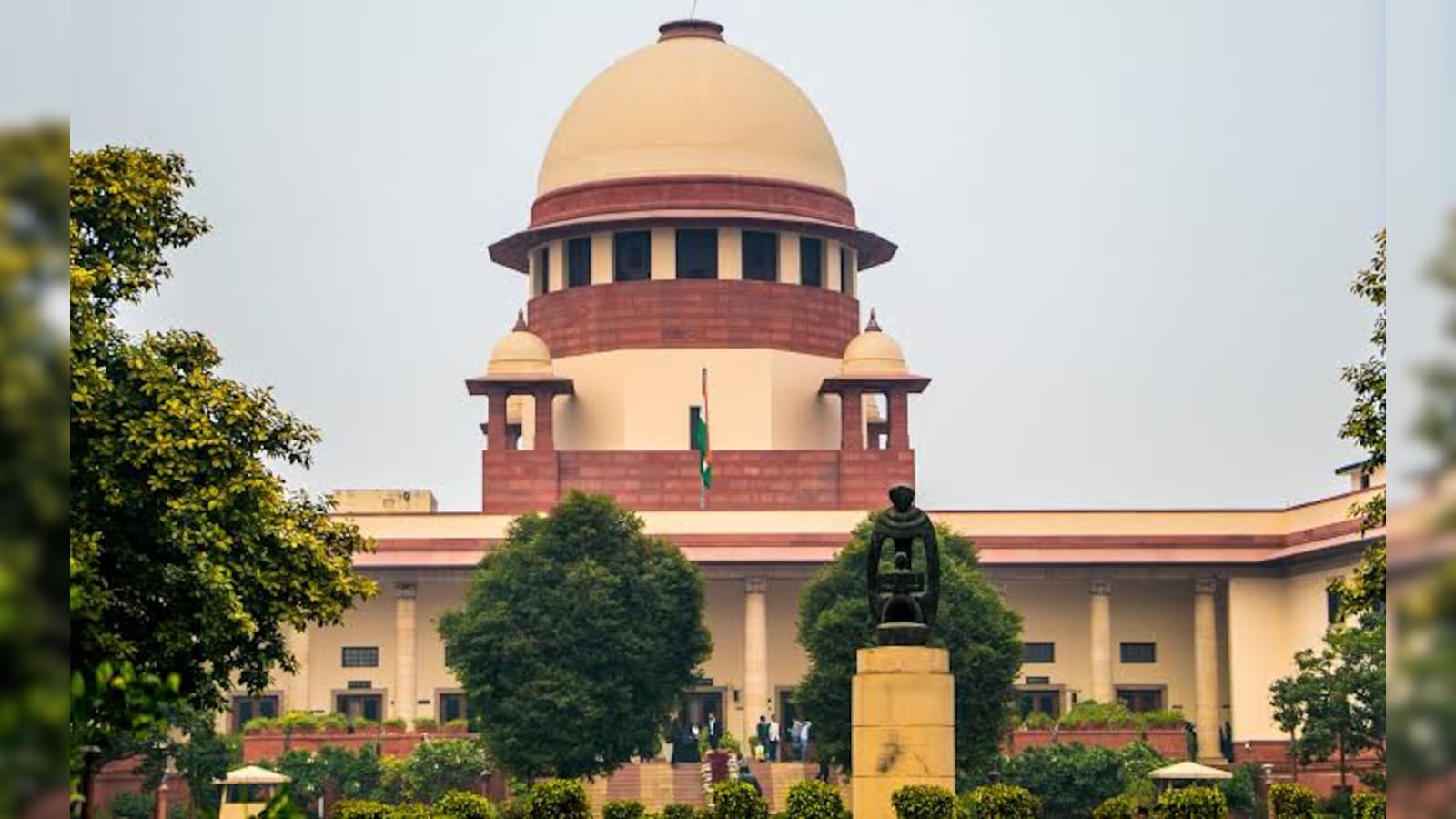
The Supreme Court reviewed a very old murder case.
Four people had received life sentences after lower courts found them guilty.
The Supreme Court said the dead man’s death was clearly a murder, but it was not proven who committed it.
The incident happened on a very dark night.
The court said the people who claimed to see the attack could not reliably identify the attackers.
The other evidence was based on clues rather than direct proof.
Those clues did not make a complete and certain case against the four people.
Because there was reasonable doubt, the court overturned their convictions and sentences.

The Supreme Court overturned the convictions and life sentences of four appellants in a 25-year-old murder case.
The court found substantial gaps in the evidence and reasonable doubt about the appellants’ involvement.
It ruled that alleged eyewitnesses could not reliably identify assailants during a pitch-dark night.
Without the eyewitness testimony, the remaining circumstantial evidence did not form a complete chain proving guilt.
The case began with a May 2001 FIR against 18 people; six were convicted, eight were acquitted, and others’ proceedings changed due to death or absconding.
- Who
- The Supreme Court, hearing appeals by four surviving appellants who had been convicted in the murder case.
- What
- The court set aside their convictions and life sentences, finding substantial gaps in the prosecution evidence.
- Where
- The location of the alleged murder was not specified in the article; the appeals challenged an Orissa High Court ruling.
- When
- The judgment was delivered on Friday; the FIR was lodged in May 2001.
- Why
- The alleged eyewitnesses could not reliably identify the attackers in a pitch-dark night, and the circumstantial evidence did not establish guilt beyond reasonable doubt.
Appellants’ Position
Prosecution Case
Reliability of eyewitnesses
Appellants’ Position
The alleged eyewitnesses could not have reliably seen or identified the assailants during a pitch-dark night, according to the Supreme Court’s assessment.
Prosecution Case
The prosecution case relied primarily on testimony from alleged eyewitnesses to establish who carried out the attack.
Circumstantial evidence
Appellants’ Position
After the eyewitness testimony was rejected, the remaining circumstances did not form a complete chain excluding reasonable alternatives to guilt.
Prosecution Case
The prosecution sought to sustain the convictions through the evidence presented at trial, including circumstantial evidence.
Standard of proof
Appellants’ Position
The appellants were entitled to the benefit of reasonable doubt because the evidence left substantial gaps.
Prosecution Case
The trial court and Orissa High Court had previously found the evidence sufficient to convict six people, although the Supreme Court later disagreed.
Key facts
- Case age
- The murder case was approximately 25 years old.
- FIR
- An FIR was lodged in May 2001.
- Original accused
- A chargesheet was filed against 18 people.
- Trial outcome
- Six people were convicted and eight were acquitted on the benefit of doubt.
- High Court ruling
- The Orissa High Court affirmed the convictions in May 2009.
- Supreme Court bench
- Justices M M Sundresh and Prasanna B Varale heard the appeals.
- Final ruling
- The Supreme Court quashed the trial court’s convictions and life sentences for the appellants.
Quotes
Supreme Court bench of Justices M M Sundresh and Prasanna B Varale
The two-judge Supreme Court bench that decided the appeals.
“Viewed cumulatively, the prosecution has failed to establish a complete and consistent chain of circumstances excluding every hypothesis other than the guilt of the appellants. The evidence on record leaves substantial gaps which create a reasonable doubt as to their involvement.”
 NDTV
NDTV
“Though the medical evidence clearly established that the deceased died a homicidal death, the question before us is whether the prosecution was successful in establishing the appellants' authorship of the crime and we find that the prosecution failed to establish its case...”
NDTV
Sources
Related news

Patna High Court Acquits Man After 16 Years in Jail
Bombay High Court Acquits Man in 2016 Vile Parle Murder

Bombay High Court Upholds Life Term in Wife’s Murder
Rajasthan High Court Rejects Plea to Suspend Murder Sentence

Delhi Court Acquits Man in 2019 Ice-Poker Attack Case
Surendra Koli Acquitted in Nithari Cases, Later Found Dead

Mamata Challenges TMC Name and Symbol Freeze in Supreme Court

Delhi High Court Grants Bail to Jagtar Singh Johal
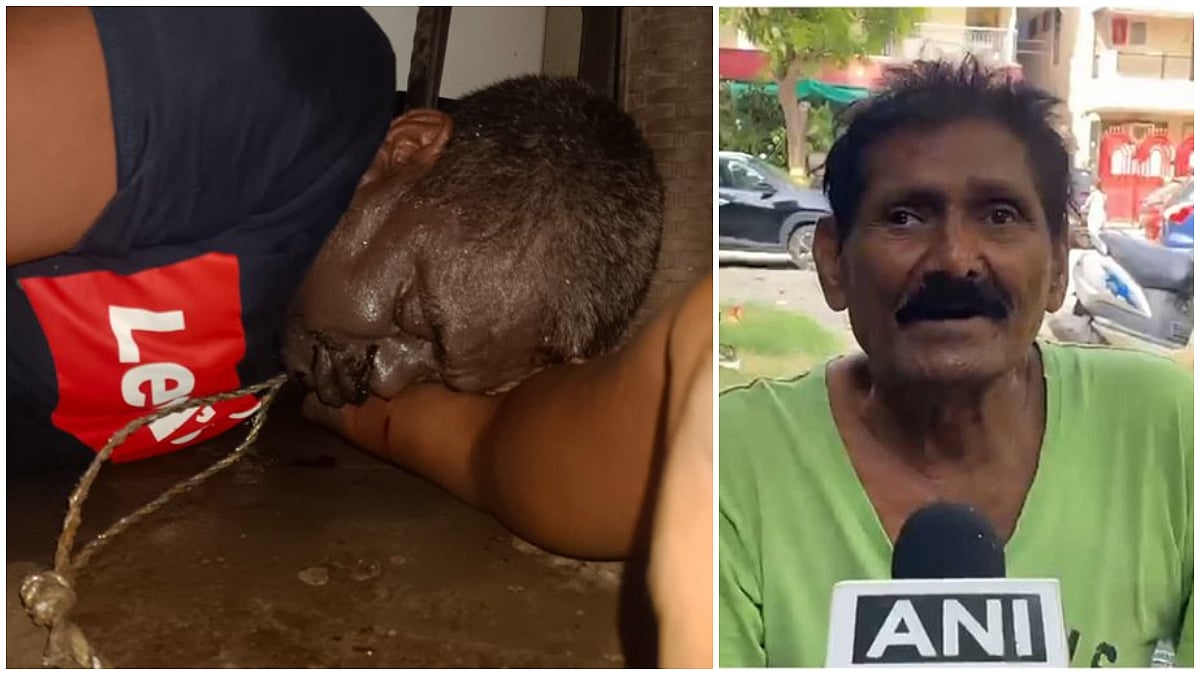
Nithari Case Accused Surendra Koli Dies; Father Alleges Murder

Fresh Bombay High Court Bench To Hear Maratha Quota Pleas