11 hrs ago
India Manages Energy Crisis Amid Middle East Tensions

Oil became much more expensive as tensions in the Middle East grew.
India imports much of the oil it uses, so this could have caused serious problems.
Instead, India bought oil from a wider group of countries.
Russia became an even larger supplier, while the United Arab Emirates, Venezuela, Oman and Brazil also helped provide oil.
People continued using petrol and diesel for travel and transporting goods.
Use of some other fuels, such as LPG, kerosene and naphtha, went down.
Homes and city gas users received more gas, with consumption rising by 26 percent.
Industries used less gas, which meant they carried more of the adjustment.
These steps helped India avoid widespread energy shortages, although high oil prices remain a risk.

Indian basket crude oil rose from about $60–70 per barrel in 2025 to above $130 on September 16, 2026.
Russia’s share of India’s crude imports increased from 33.7% to 40.9% between April–June 2025 and April–June 2026.
Higher imports from the United Arab Emirates, Venezuela, Oman and Brazil helped diversify India’s crude supplies.
Petrol and diesel demand continued growing, while LPG, kerosene and naphtha consumption declined.
City gas consumption rose 26%, while gas use fell in petrochemicals, industry and power generation.
- Who
- India, its households, transport users and industrial sectors were affected; Russia and other suppliers provided crude oil.
- What
- India managed higher oil prices by diversifying crude imports and shifting energy use across sectors.
- Where
- India, amid tensions and energy-market disruption in the Middle East.
- When
- The comparison covers 2025 and April–June 2026; crude prices exceeded $130 per barrel on September 16, 2026.
- Why
- To maintain fuel supplies and protect household and essential energy needs while crude prices rose.
Key facts
- Crude price in 2025
- The Indian basket largely stayed around $60–70 per barrel.
- Crude price in 2026
- It crossed $110 per barrel in March and April and exceeded $130 on September 16.
- Russia’s import share
- Russia’s share rose from 33.7% in April–June 2025 to 40.9% a year later.
- City gas consumption
- Consumption increased by 26% during April–June 2026.
- Petrochemical gas use
- Consumption declined by nearly 48%.
- Industrial gas use
- Consumption declined by 31%.
- Power-sector gas use
- Consumption declined by 21%.
Sources
Related news

India diversifies crude supplies as Middle East disruptions threaten security

India Diversifies Crude Supplies as Iran War Drives Prices

India Diversifies Crude Suppliers as Russia Dominates Imports
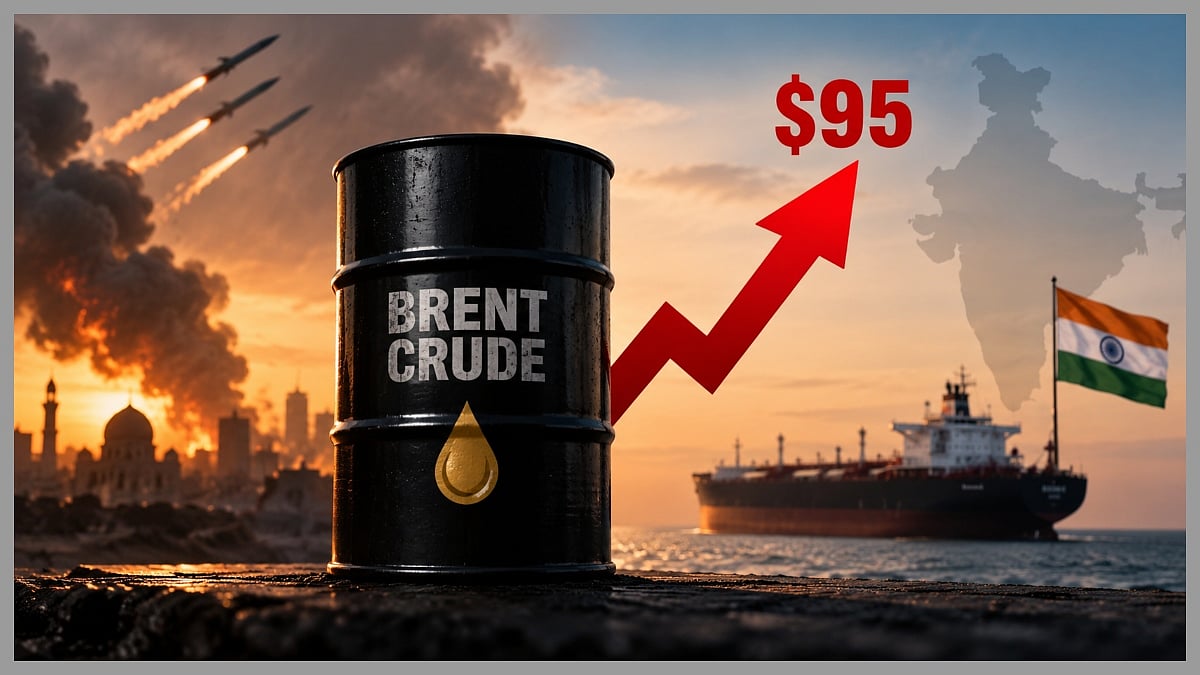
Brent Crude Tops $95, Raising India’s Oil Import Concerns
India’s Crude Import Bill Soars 57% to $63 Billion
West Asia Conflict Pushes India’s Oil, Gas Import Bill Higher
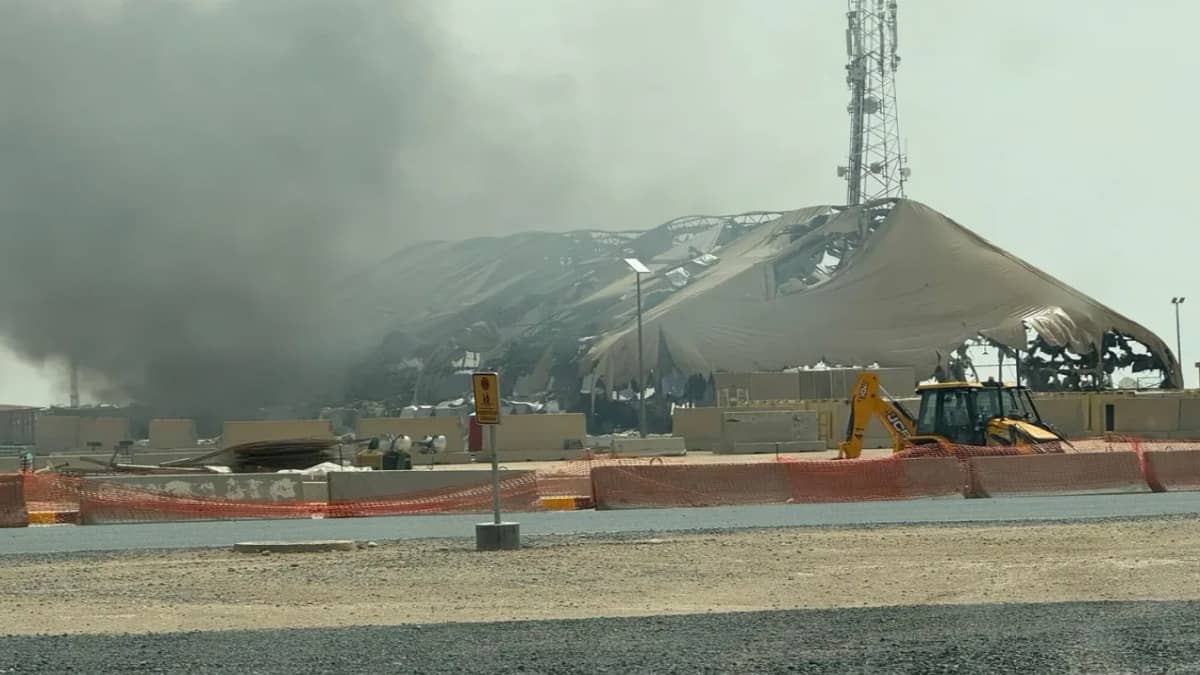
Images Show Extensive Damage From Iranian Strikes on US Bases
Oman Pitches Ports as Gateway for Indian Businesses

Wall Street Falls as Fed Signals Higher Rates Ahead

US Officials Meet Houthis in Oman Amid Yemen Offensive