

2 hrs ago
Opinion Warns Youth Protests Could Become India Security Challenge
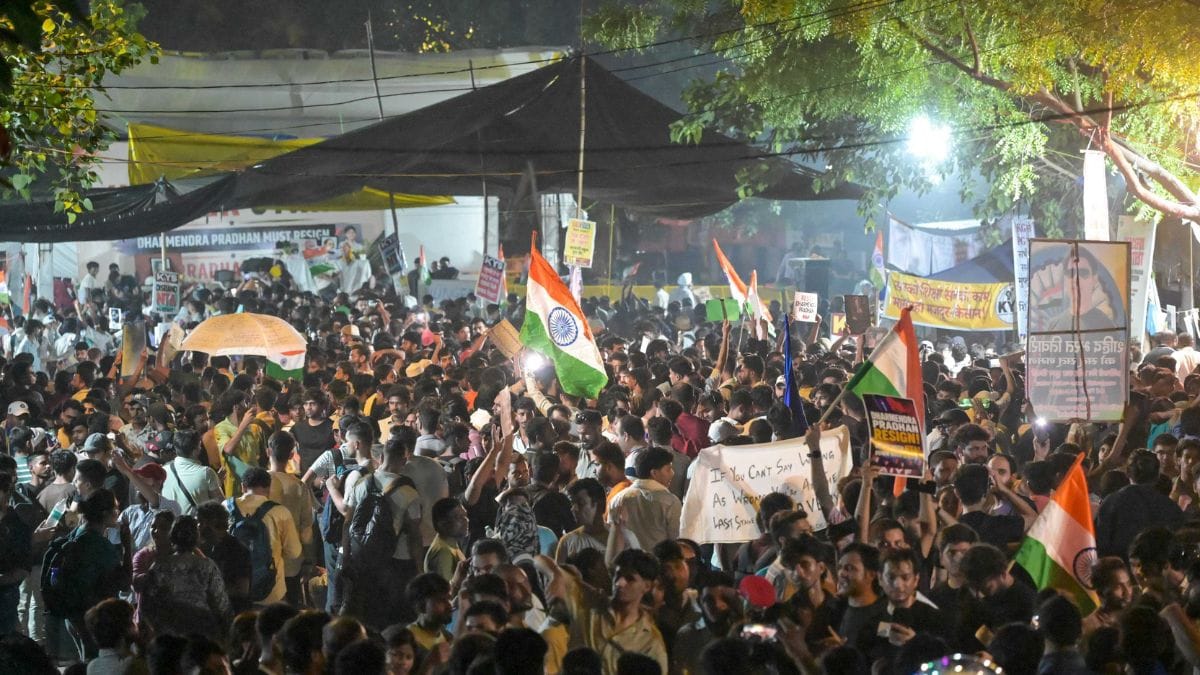
This is an opinion article about protests led by young people in India.
The writer worries that the protests could be joined or influenced by people who want to cause trouble.
The article says some videos showed protesters threatening police or mocking the Army, although the publication says it did not fact-check these claims.
It also says young people have real concerns, including unemployment and social divisions.
The writer believes outside groups could use these concerns to weaken the country.
The article warns that protests and government action could lead to more conflict.
It does not argue that all protesters are dangerous.
Instead, it asks the government to investigate carefully while addressing legitimate complaints.

A subscriber opinion argues that expanding youth protests could create risks for India’s internal security.
The writer says Dipke favors pressure groups over entering active politics and that recent protest successes have emboldened organizers.
The article alleges that some protesters used threatening or anti-India rhetoric, while acknowledging that the claims were not independently fact-checked.
It warns that hostile domestic or foreign forces could exploit grievances involving unemployment, caste, communal tensions and other fault lines.
The writer calls for a balanced response combining investigation and security measures with timely action on genuine youth concerns.
- Who
- Young protesters described by the subscriber as the “Cockroaches,” Dipke, the Indian government, and alleged domestic or foreign actors portrayed as potential influencers.
- What
- An opinion argues that expanding protests and pressure-group activity could pose an internal-security risk while also reflecting genuine youth grievances.
- Where
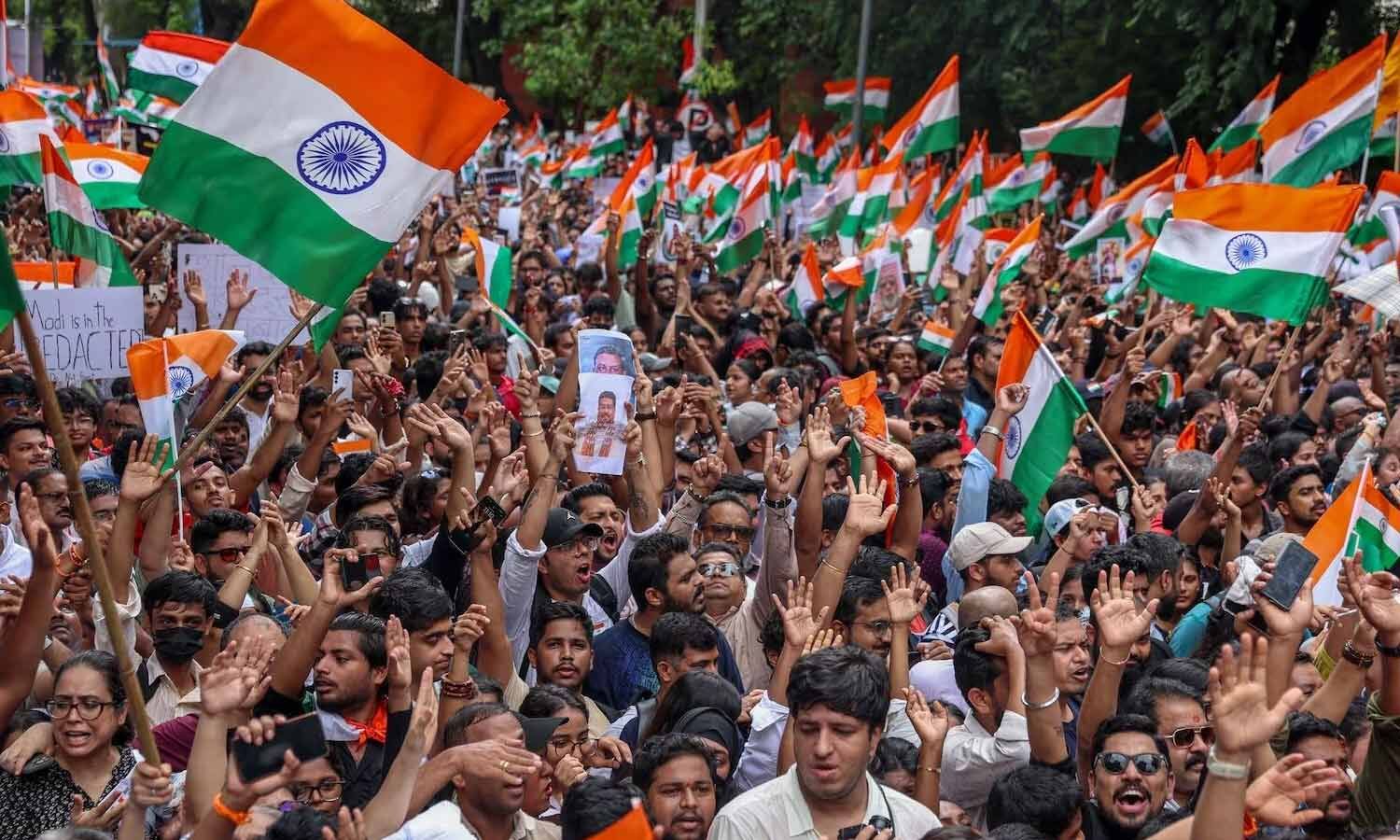
- The protests discussed include demonstrations in cities and at Jantar Mantar in India.
- When
- The article discusses the protests as an ongoing movement and refers to recent successes and planned continued pressure.
- Why
- The writer says India’s existing social, political and security fault lines could make the movement vulnerable to infiltration, polarization or destabilization.
Protesters and Their Supporters
Security-Focused Critics
Purpose of the protests
Protesters and Their Supporters
The movement can raise important social, academic and political issues through pressure groups, and young people’s legitimate grievances should be addressed.
Security-Focused Critics
The writer argues that the movement’s stated aims may conceal a more destabilizing agenda and that anti-government rhetoric could become anti-India rhetoric.
Government response
Protesters and Their Supporters
According to the article’s framing, strong government action may be viewed as oppression and could increase support for the protesters.
Security-Focused Critics
The writer says authorities should investigate the movement’s origins and possible infiltration while protecting national security, but should avoid an indiscriminate crackdown.
Outside influence
Protesters and Their Supporters
The article’s protest perspective is not directly presented, but the movement is portrayed as homegrown by its supporters.
Security-Focused Critics
The writer alleges, without independent verification, that domestic and foreign forces could exploit the protests to weaken the government and intensify social divisions.
Key facts
- Article type
- Subscriber opinion published by ThePrint; the publication says it was not edited or fact-checked.
- Movement’s stated approach
- Dipke is described as favoring pressure groups rather than entering active politics.
- Protest location mentioned
- Jantar Mantar, New Delhi.
- Security concerns cited
- Infiltration, communal and caste tensions, terrorism, illegal immigration, drug trafficking and foreign funding of NGOs, among others.
- Government response discussed
- The writer calls for a nuanced approach rather than simply crushing the protests.
- Youth concerns acknowledged
- Unemployment, youth frustration and other genuine grievances.
Sources
Related news
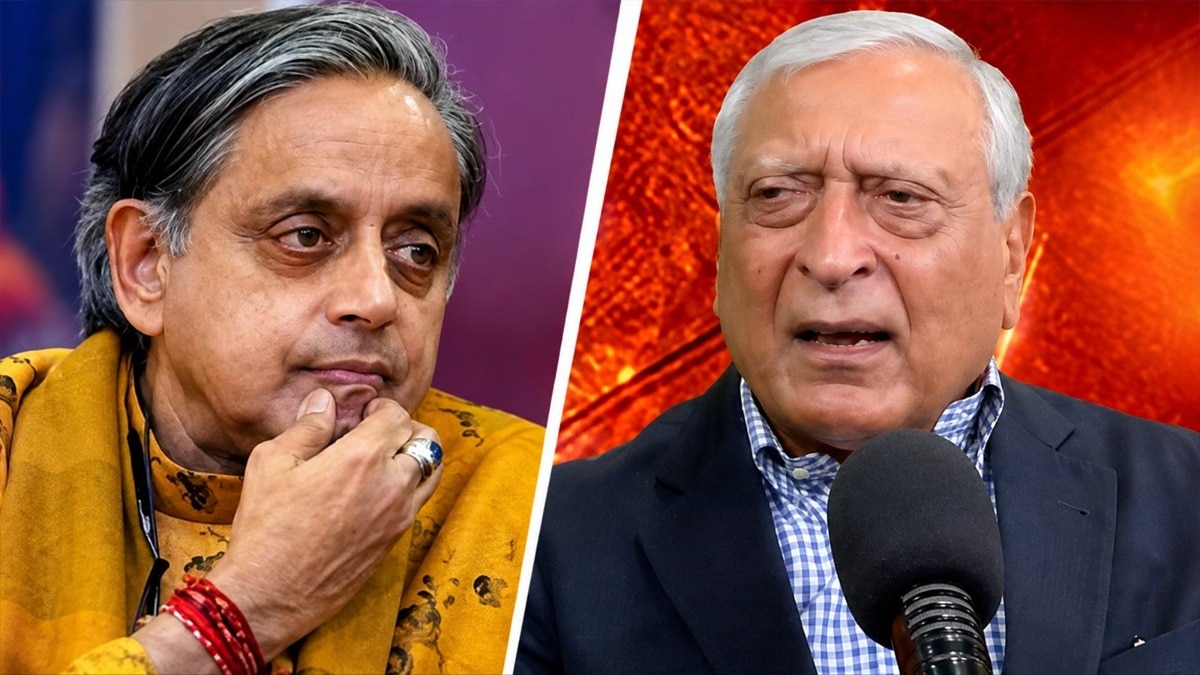
'Why glamourise street protests?': Kanwal Sibal warns against foreign exploitation
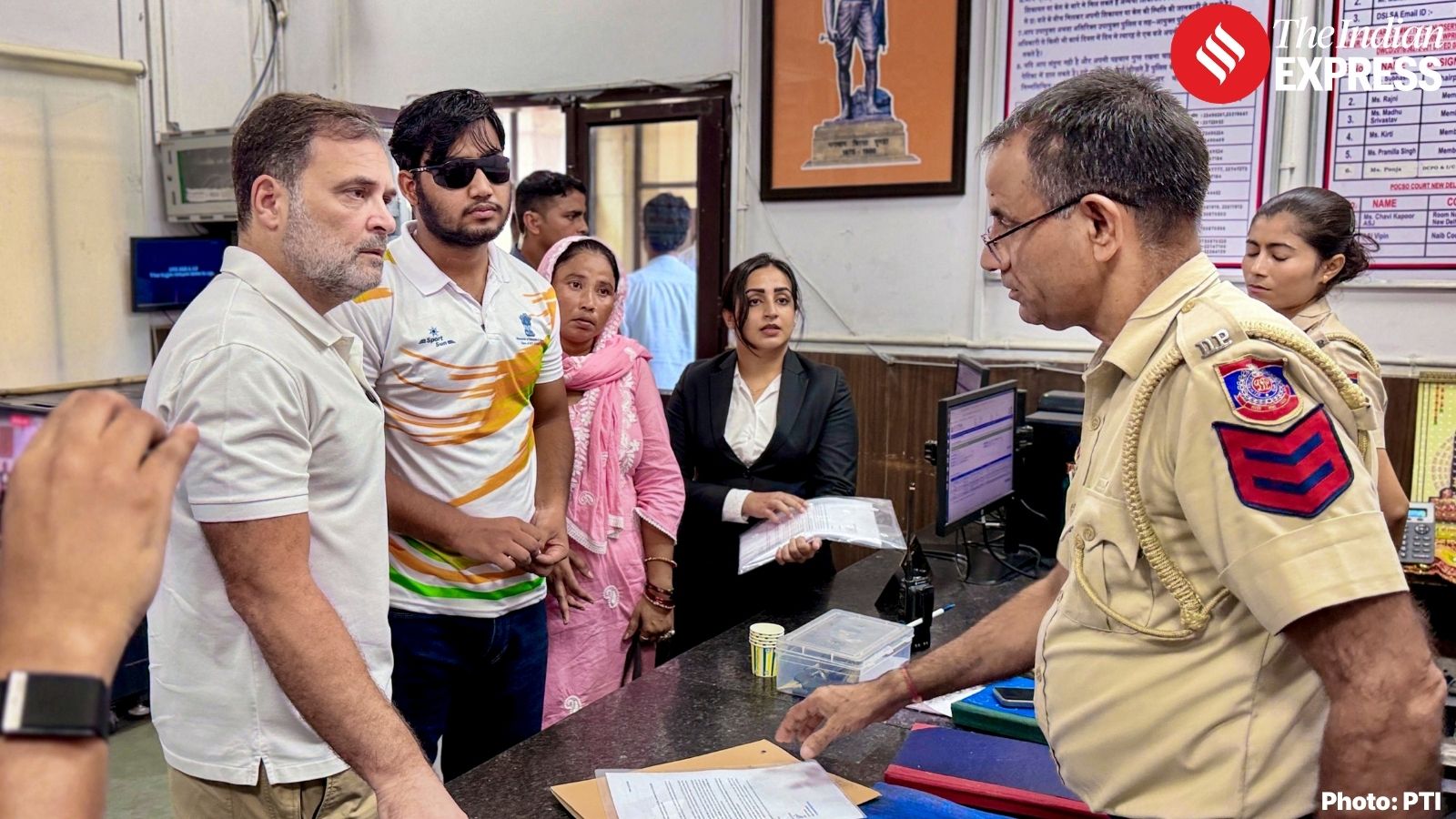
Shashi Tharoor Urges Opposition to Learn From Youth Revolt

Indian Graduate's Parody Party Account Banned as National Security Threat
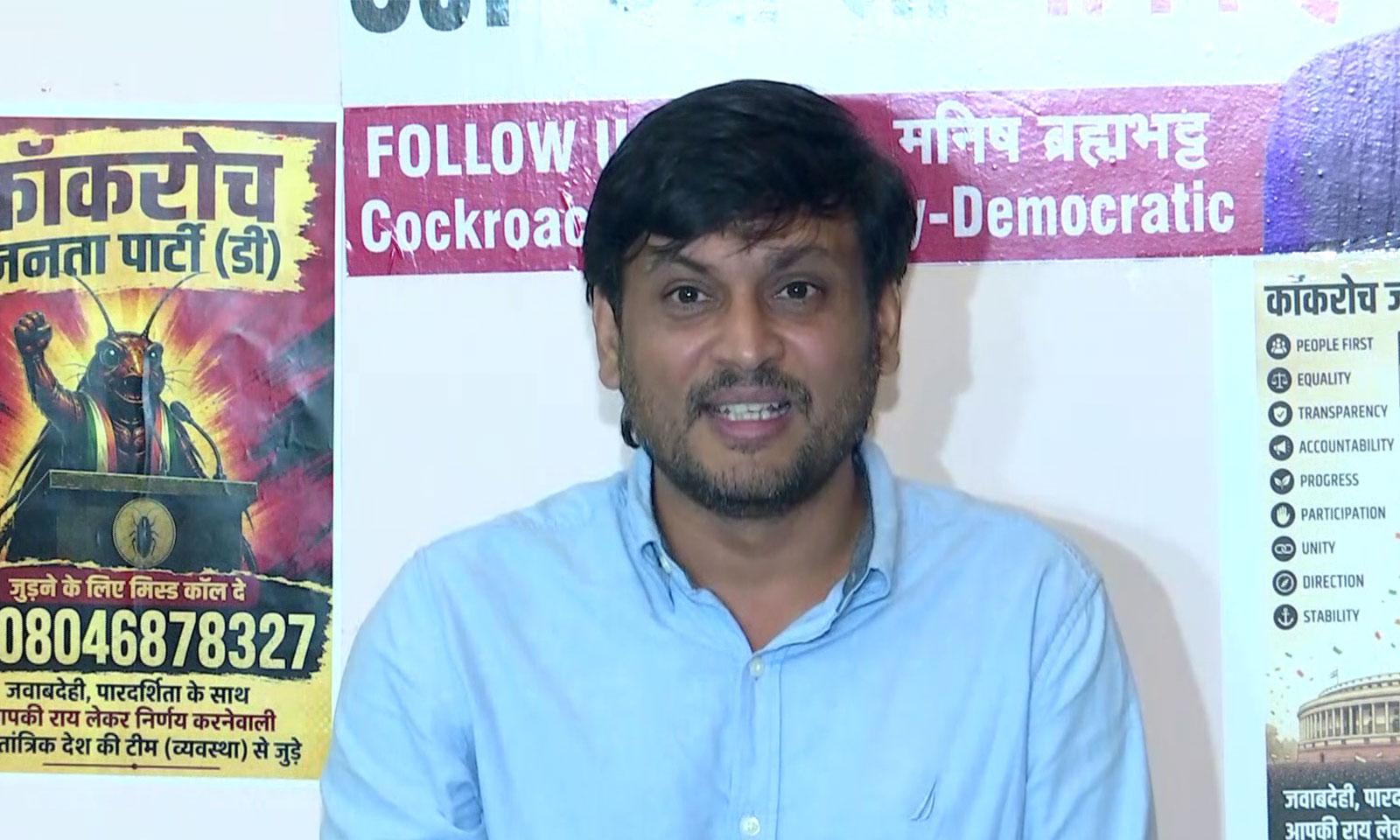
CJP Rebel Launches Democratic Faction, Alleging AAP Alignment

Gen Z Turns 'Cockroach' Insult Into a Viral Protest Movement
New political mood takes shape in India amid calls for accountability

ISRO Staff Seek Clarity Over Private Sector Space Role

NMC Approves Two Bihar Medical Colleges, Adding 100 MBBS Seats
Congress Challenges BJP Over School Closures and Office Expansion
Evening News Roundup Covers Security, Politics, Finance And Culture

Gehlot Calls Caste Census Format Flawed, Seeks New Questionnaire