13 hrs ago
Form 7 Deletions Require Inquiry Under Election Law
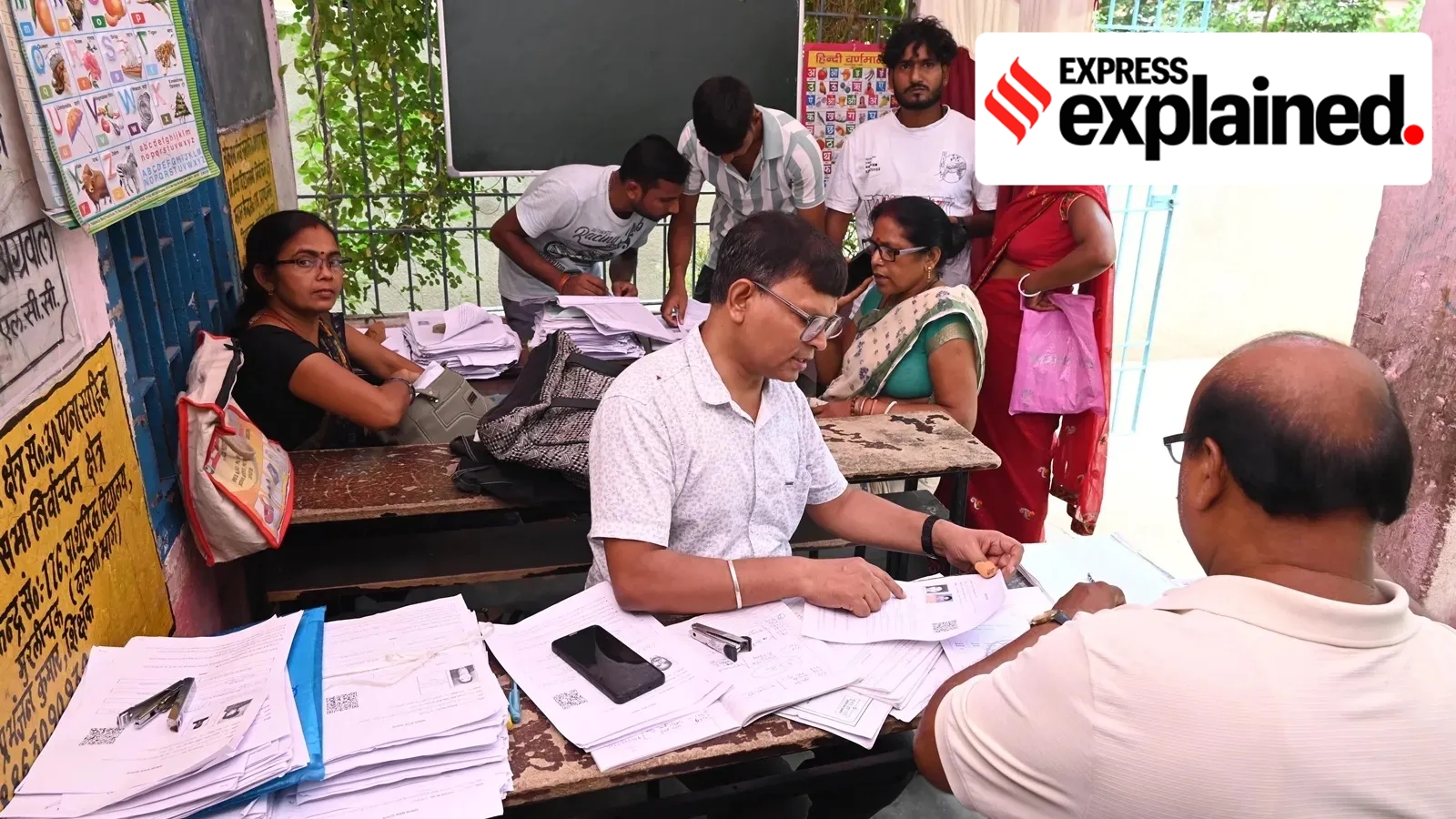
Form 7 is a form used to ask for a voter’s name to be removed from an electoral roll.
A person can use it to remove their own name or object to someone else’s name.
The reasons can include death, being underage, moving away permanently, being enrolled more than once, or not being an Indian citizen.
Filing the form does not automatically remove anyone’s name.
An Electoral Registration Officer must investigate the request first.
The affected voter must receive notice and get seven days to respond.
A hearing must then take place before an order is made, and a Booth Level Officer may check the facts on the ground.
The online system does not require proof when the form is filed, but the inquiry is intended to provide a safeguard.

BLOs at at least four Godda booths said BJP workers submitted Form 7 requests to delete multiple names.
BLOs said some submissions were improperly formatted, and many were rejected on the Block Development Officer’s instructions.
Section 22 of the Representation of the People Act, 1950, requires inquiry before an electoral-roll entry is deleted.
Form 7 may be used to remove one’s own name or object to another elector’s inclusion.
EROs must notify the affected elector, allow seven days for a response, conduct a hearing, and issue an order, while BLOs verify details in the field.
- Who
- BLOs, BJP workers, Electoral Registration Officers, and affected electors are involved.
- What
- Form 7 requests were reportedly submitted to seek deletion of names from electoral rolls, while election law requires an inquiry before deletion.
- Where
- The reported submissions involved at least four booths in Godda; Form 7 procedures apply to electoral constituencies across India.
- When
- The centralised ERONet system has operated since 2018; the Election Commission of India launched a new combined ECINet portal in 2025.
- Why
- Names may be deleted when a person has died, permanently shifted, is underage, is enrolled more than once, or is not an Indian citizen.
Submission Concerns
Election Safeguards
Validity of Form 7 requests
Submission Concerns
BLOs in Godda said BJP workers submitted multiple requests that were not in the proper format, and many were rejected.
Election Safeguards
The system allows eligible applicants registered in the same constituency to submit Form 7 online or through a BLO, without requiring evidence at the filing stage.
Whether a name can be deleted immediately
Submission Concerns
The absence of proof and verification of applicants’ EPIC numbers and phone numbers creates potential gaps in the online filing system.
Election Safeguards
Election authorities state that filing alone cannot delete a name; the ERO and BLO must investigate, notify the affected elector, allow a response, hold a hearing, and issue an order.
Key facts
- Legal authority
- Section 22 of the Representation of the People Act, 1950, empowers EROs to correct or delete electoral-roll entries after inquiry.
- Required form
- Form 7 is used to request deletion or object to a proposed inclusion in an existing electoral roll.
- Online submission
- Applicants can submit Form 7 through the voters’ portal or ECINet after linking a phone number to their EPIC number.
- Permitted reasons
- The five listed reasons are death, under age, absent or permanently shifted, already enrolled, and not an Indian citizen.
- Procedural safeguards
- The ERO must notify the affected elector, allow seven days for a response, hold a hearing, and pass an order.
- Godda report
- BLOs at at least four booths said BJP workers submitted multiple deletion requests; many were reportedly rejected over format concerns.
- Proof requirement
- The online form does not require evidence at filing, although the applicant must sign a declaration regarding false statements.
Sources
Related news
Jharkhand SIR Triggers Clash Over Alleged Targeted Voter Deletions
Uttarakhand Congress Challenges Mass Form-7 Objections During SIR
Voter Form Shortages Threaten Electoral Roll Corrections
Delhi SIR Draft Roll Opens Claims Window for Missing Voters
Andhra Pradesh Officials Explain Proposed Voter Roll Deletions
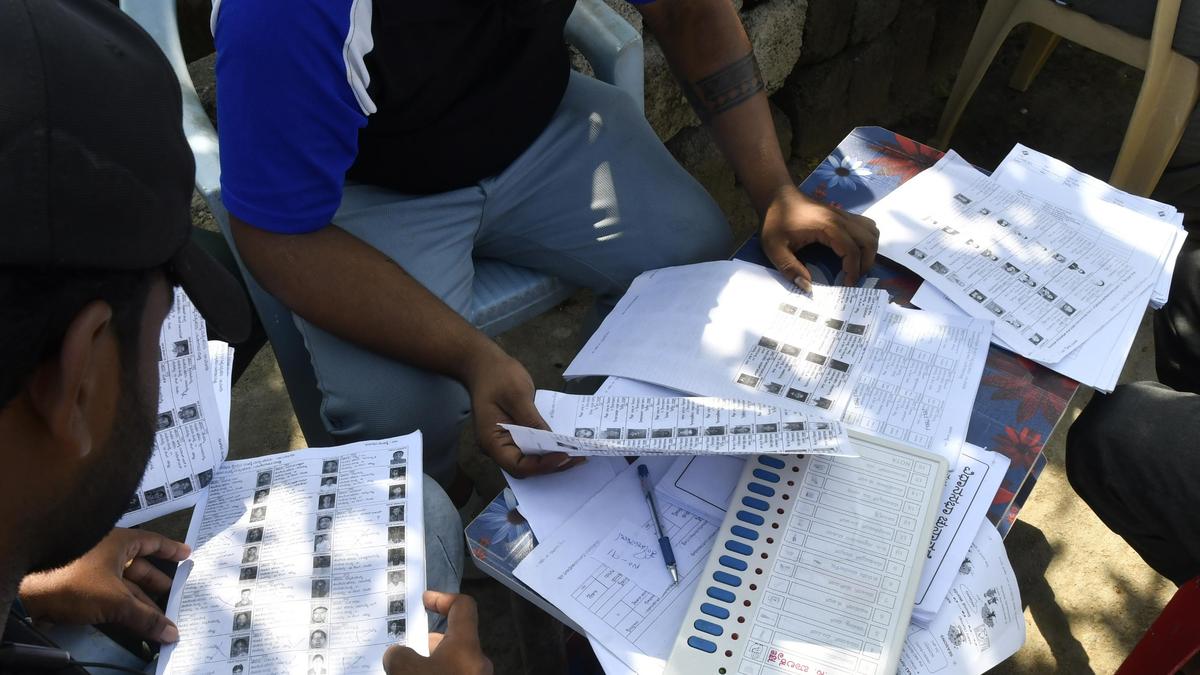
Hyderabad Electoral Roll Revision Opens Claims and Objections
Ayodhya Temple CEO Appointment Faces Opposition Donation Allegations

Telangana BJP Alleges Congress, BRS Avoid Hyderabad Liberation Day
Haryana sanitation workers’ strike puts BJP government under pressure

Rival NC-BJP Protests Roil J&K as Police Halt Marches
Shivakumar Calls BJP Padayatra Cover-Up for Internal Crisis