2 weeks ago
Barberry Bark’s Weight-Loss Claims Fall Short of Ozempic
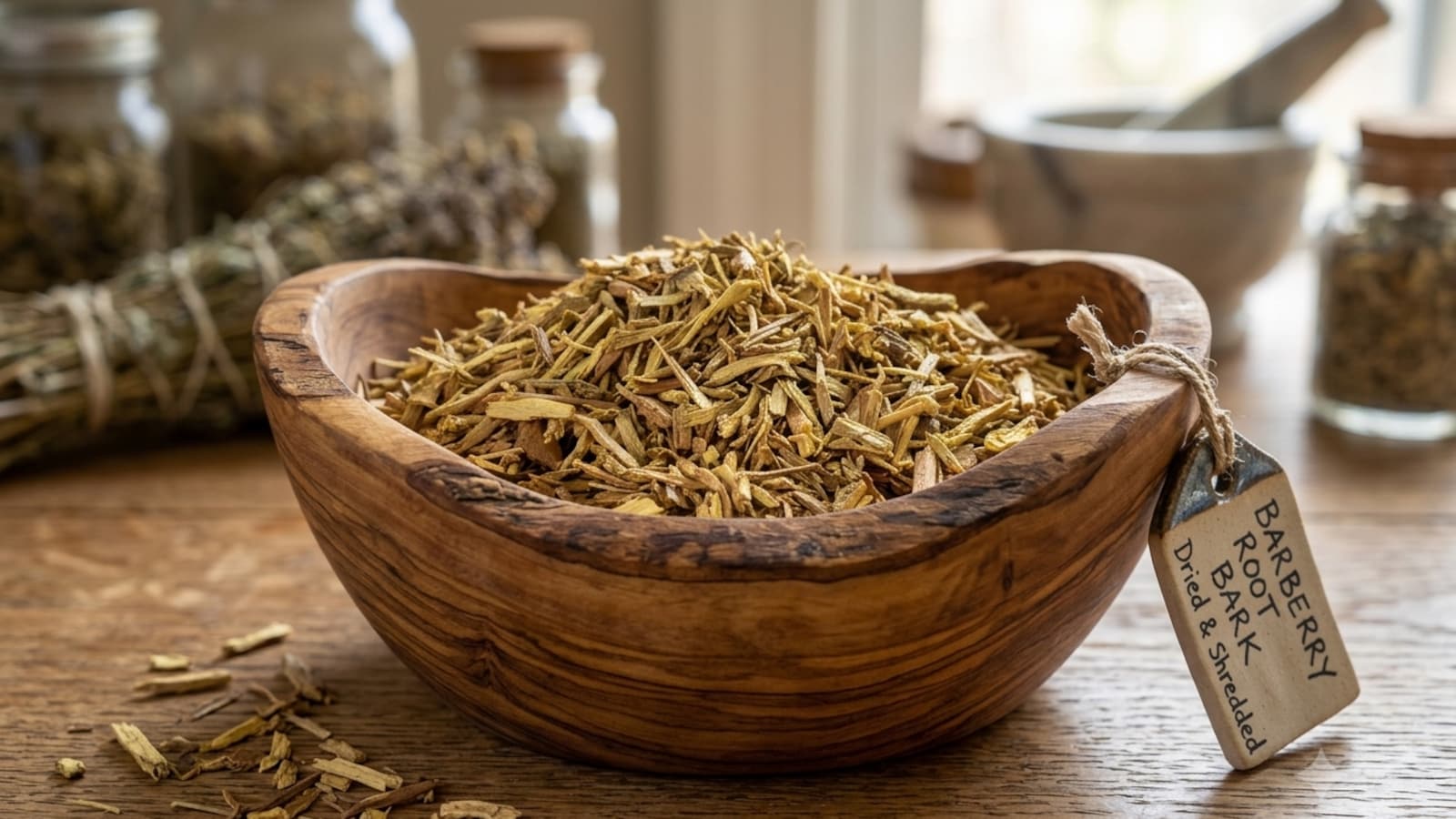
Barberry bark is a plant ingredient that contains a substance called berberine.
Some people call it “nature’s Ozempic” because berberine may affect blood sugar and metabolism.
However, Ozempic is a prescription medicine, and it works differently from an herbal supplement.
Research mentioned in the article did not clearly show that barberry bark lowers body weight or body mass index.
It found only a small change in the waist-to-hip ratio.
Berberine may also affect digestion, blood sugar, cholesterol, and insulin resistance.
It can cause problems for people with sensitive stomachs or those taking certain medicines.
Pregnant or breastfeeding people should take precautions.
Healthy eating, exercise, sleep, and stress management are presented as more reliable ways to support weight management.

Barberry bark contains berberine, a plant compound linked to blood-sugar and metabolic effects.
The article says research found no clear reduction in body weight or body mass index.
A minimal decrease in waist-to-hip ratio was reported in one cited review.
Berberine and Ozempic work differently, despite online comparisons between them.
People with medical conditions, medication use, or pregnancy concerns should consult a healthcare professional before using it.
- Who
- People considering barberry bark or berberine for weight management, particularly those with medical conditions or taking medication.
- What
- The article evaluates whether barberry bark and its berberine content can produce Ozempic-like weight loss.
- Where
- When
- The article describes current research and ongoing clinical uncertainty.
- Why
- Barberry bark has become popular online as “nature’s Ozempic” because of claims about blood-sugar regulation, appetite suppression, and weight loss.
Supportive Claims
Research Limitations
Weight-loss potential
Supportive Claims
Supporters point to berberine’s possible effects on blood sugar, fat metabolism, gut function, and obesity-related risk factors.
Research Limitations
The article says the evidence did not show a clear reduction in body weight or body mass index.
Comparison with Ozempic
Supportive Claims
Online users and promoters describe barberry bark as “nature’s Ozempic” because of perceived similarities in blood-sugar and appetite effects.
Research Limitations
The article emphasizes that berberine is an herbal supplement and Ozempic is a medication that works differently, so they should not be treated as equivalent.
Use for weight management
Supportive Claims
Targeted berberine use may offer limited support as part of a weight-management approach.
Research Limitations
The article says further clinical evaluation is needed and recommends proven lifestyle measures rather than relying on barberry bark alone.
Key facts
- Active compound
- Berberine, a plant alkaloid found in barberry bark.
- Reported weight effect
- The article says research did not find a clear effect on body weight or body mass index.
- Waist-to-hip ratio
- A minimal decrease was reported.
- Potential effects
- Possible effects include blood-sugar regulation, insulin sensitivity, glucose metabolism, gut microbiota, fat metabolism, and inflammation.
- Comparison with Ozempic
- Barberry bark is an herbal supplement, while Ozempic is a medication; they function differently.
- Safety concerns
- Caution is advised for people with digestive issues, medication interactions, pregnancy, breastfeeding, or diabetes treatment.
- Suggested alternatives
- The article recommends protein, fiber-rich foods, strength training, sleep, stress management, and daily physical activity.