2 weeks ago
Pocketless Dress Code For Ram Temple Priests Amid Donation Row

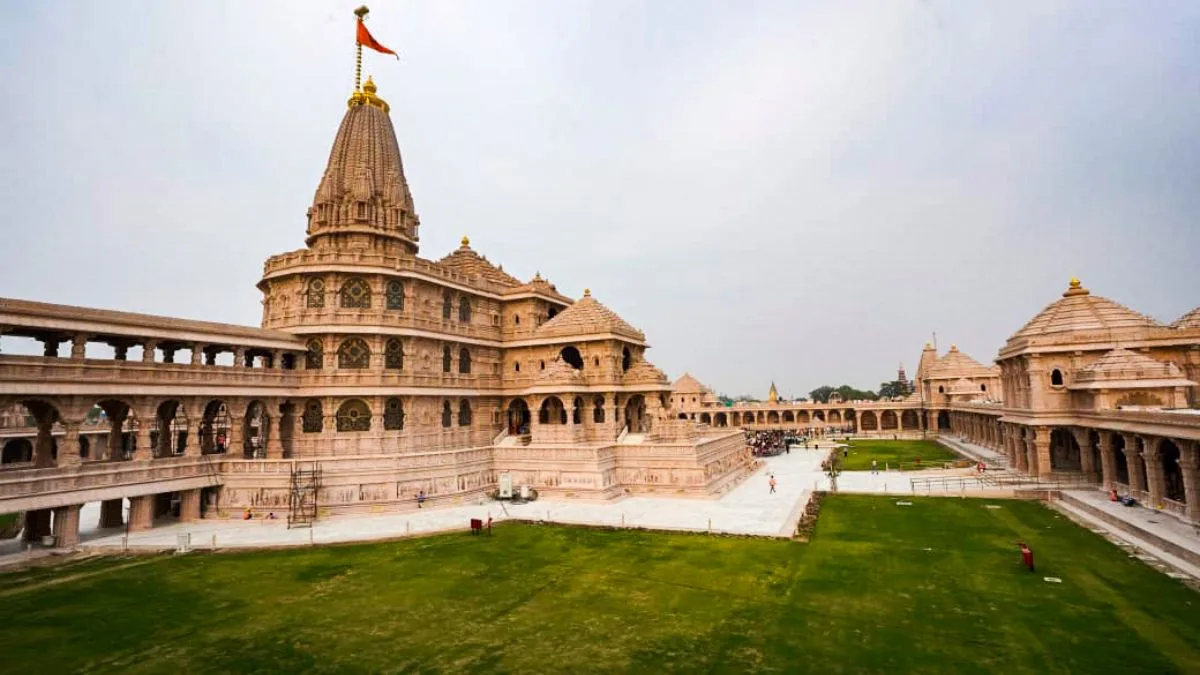
At a very special Hindu temple called the Ram Temple in Ayodhya, India, the people who lead prayers are called priests.
The temple's leaders have made a new rule about what the priests can wear.
From August 15, the priests must wear clothes that are not stitched together, so they have no pockets.
Everyone will wear yellow clothing.
In the hot summer months, they will wear a cloth called a dhoti and another cloth called an uttariya, both made from silk.
In the winter, they will wear woollen clothes instead.
The leaders chose silk because they believe it stays pure and clean more easily.
The new rule comes at a time when some people are worried about how donations given to the temple were used.
The simple, pocketless clothes are meant to show purity and honesty.

The Shri Ram Janmabhoomi Teerth Kshetra Trust has introduced a uniform dress code for priests at Ayodhya's Ram Temple, effective August 15.
Priests will perform rituals wearing unstitched, pocketless clothes, all in yellow (peet) attire.
In summer, priests will wear a dhoti and an uttariya made of unstitched silk; in winter, they will wear woollens.
The decision was announced amid an ongoing row over the alleged embezzlement of funds at the Ram Temple.
Religious committee member Rajkumar Das confirmed the decision, saying silk was chosen for ritual purity as it is believed less susceptible to impurity through physical contact.
- Who
- Priests serving Ram Lalla at Ayodhya's Ram Temple, governed by the Shri Ram Janmabhoomi Teerth Kshetra Trust; the decision was confirmed by religious committee member Rajkumar Das.
- What
- A new uniform, pocketless dress code requiring priests to wear unstitched yellow attire — silk dhoti and uttariya in summer, woollens in winter.
- Where
- Shri Ram Janmabhoomi Teerth Kshetra (Ram Temple) in Ayodhya.
- When
- Effective from August 15, announced amid an ongoing row over alleged embezzlement of temple funds.
- Why
- The dress code was introduced amid a funding row; silk was selected for ritual purity as it is believed less susceptible to impurity through physical contact.
Key facts
- Temple
- Shri Ram Janmabhoomi Teerth Kshetra, Ayodhya
- Governing Body
- Shri Ram Janmabhoomi Teerth Kshetra Trust
- Effective Date
- August 15
- Attire Color
- Yellow (peet)
- Summer Attire
- Unstitched silk dhoti and uttariya
- Winter Attire
- Woollens
- Garment Style
- Unstitched, pocketless clothes
- Context
- Row over alleged embezzlement of funds at the temple
Sources
Related news
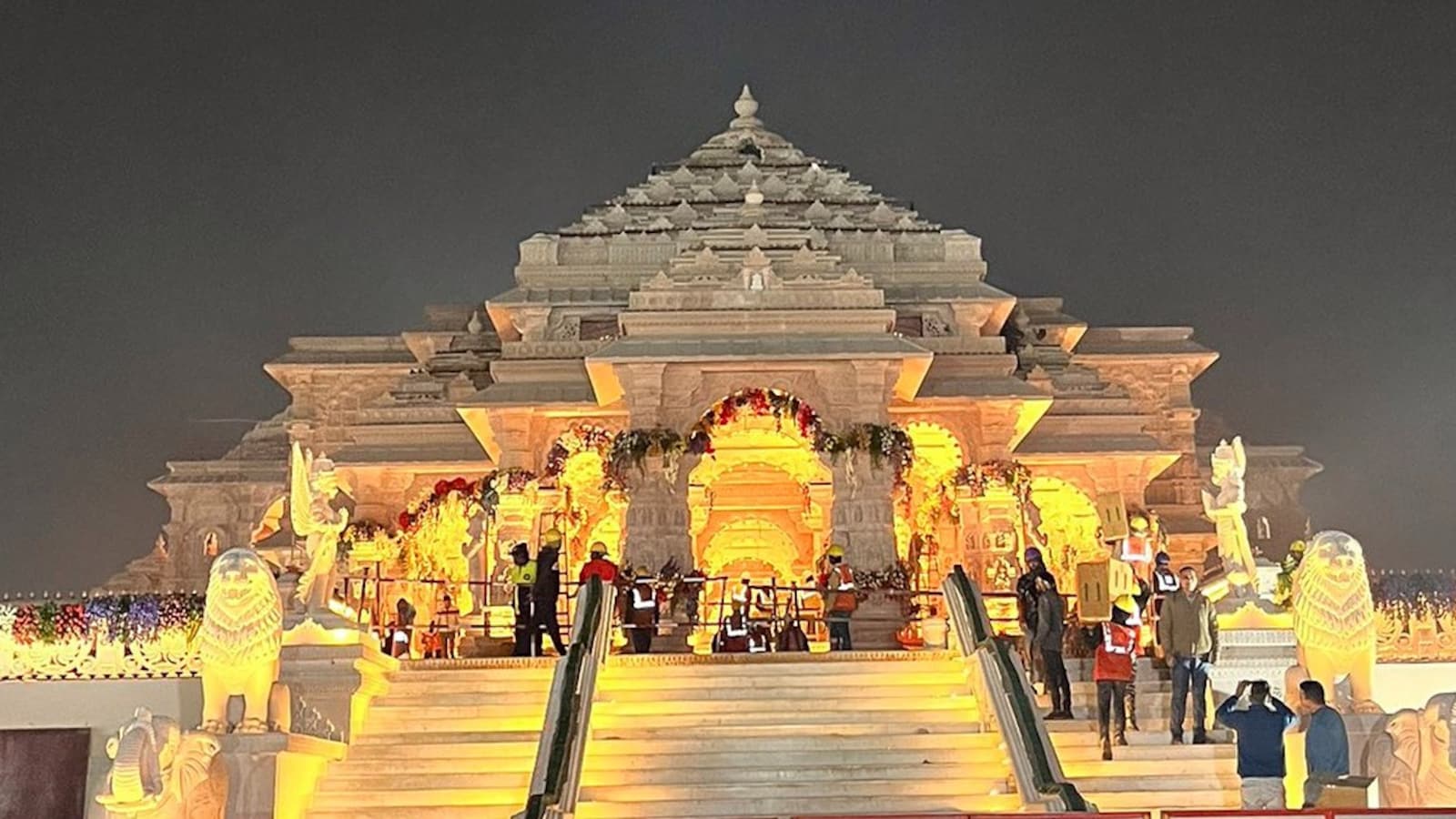
Ayodhya Ram Temple Priests Get New Yellow Silk Dress Code

Saints welcome ISKCON Vrindavan's dress code banning immodest attire

Ram Temple Trust Overhauls Donation Counting With Pocketless Uniforms, CCTV

Parliament Attire Row: Wahab's Dhoti and Warm Handshake

Supreme Court Orders Donation Oversight at Banke Bihari Temple
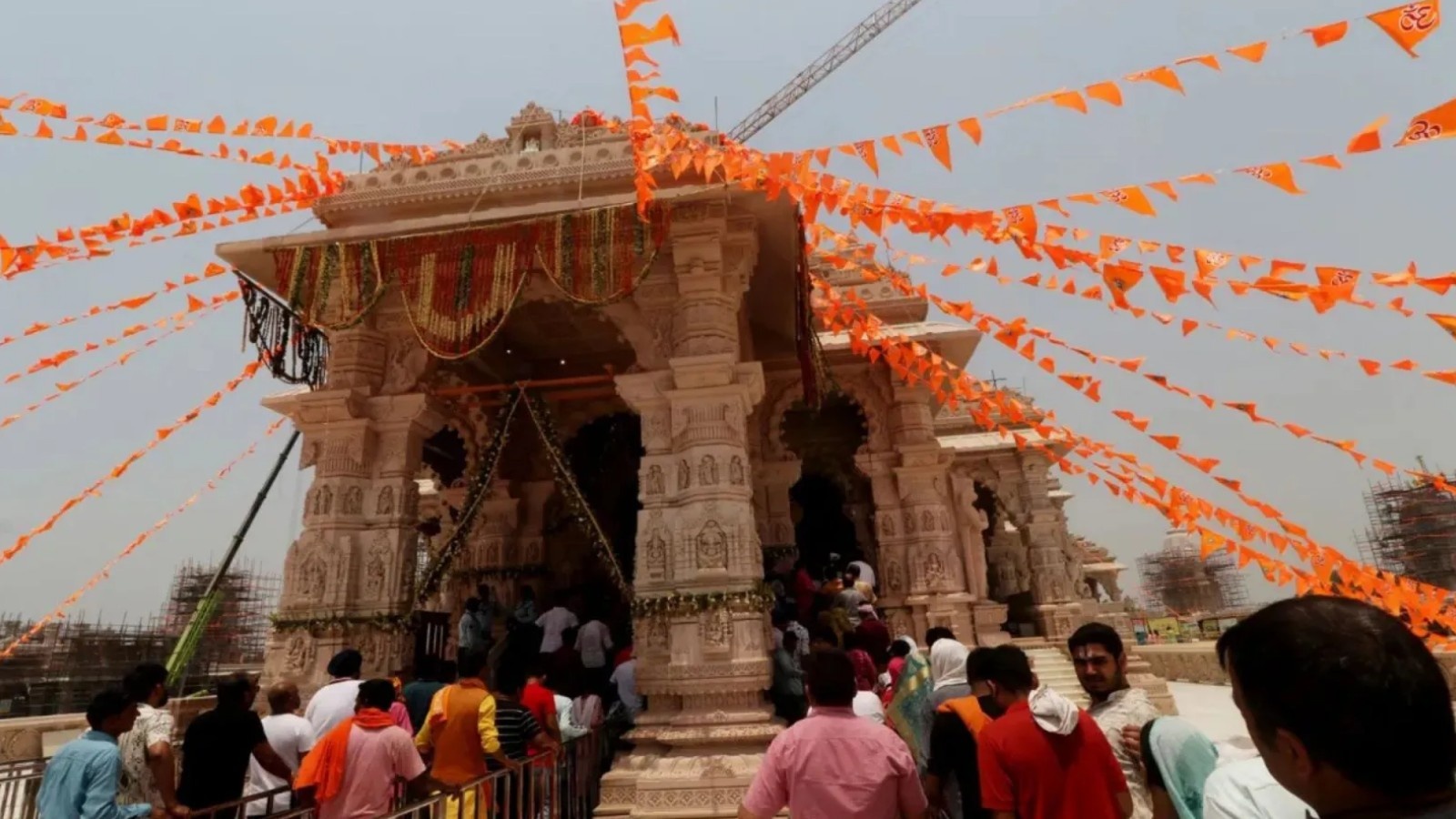
Ram Temple Trust Considers Technology-Based Donation Counting System

Ram Temple Trust Names Woman Professor, Ayodhya Lawyer, Delhi Businessman
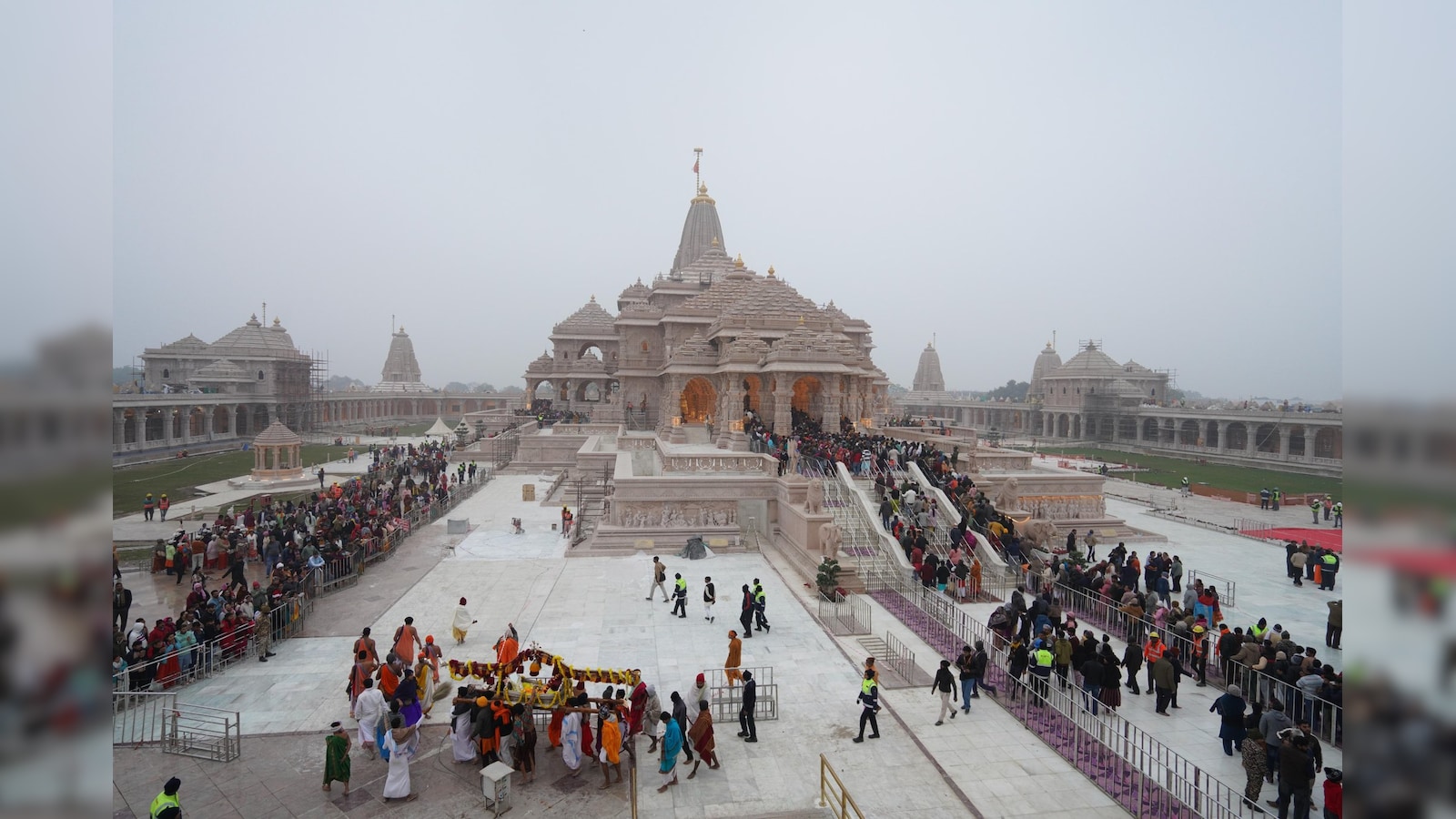
Ayodhya Temple Trust Overhaul Draws BJP Appointment Criticism

Retired Air Marshal Named First CEO of Ram Temple Trust

Akhilesh Yadav Questions Irregularities After Ram Temple CEO Appointment