

1 week ago
West Asia Conflict Fuels Somali Piracy Resurgence, Endangering Indian Sailors
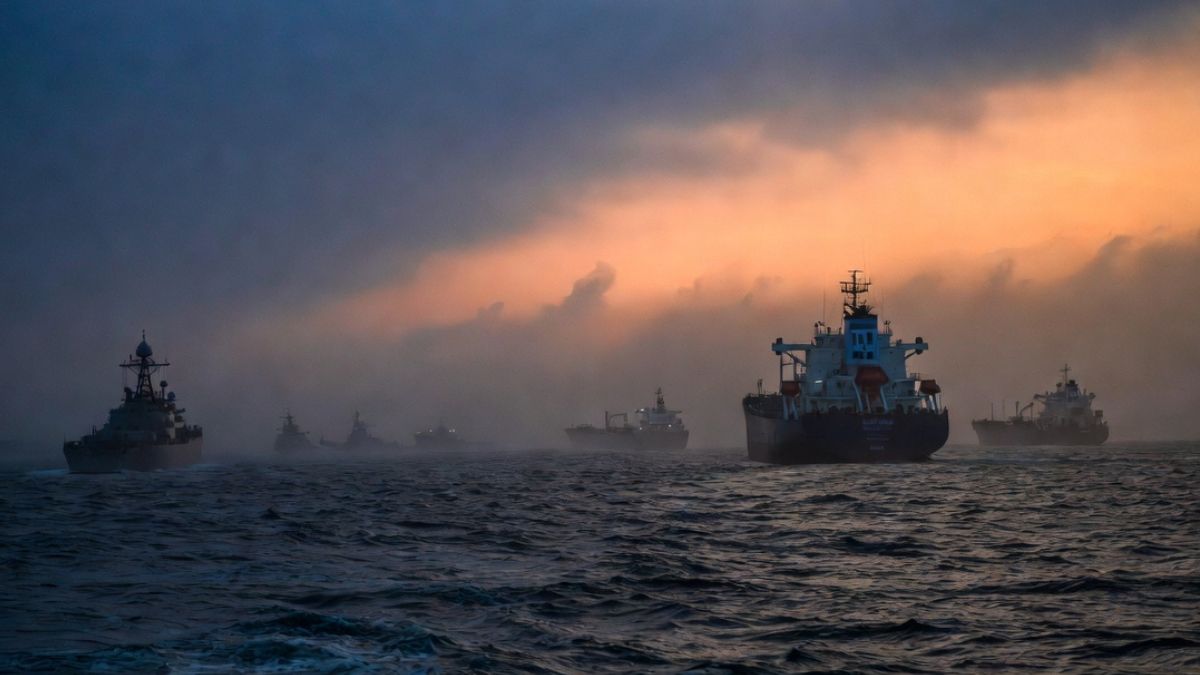
Pirates have started attacking ships again near Somalia after piracy had declined for many years.
Two recently hijacked ships had 22 Indian sailors in total.
One tanker was taken after armed people boarded it near Yemen and then changed its course toward Somalia.
Another cargo ship was seized near Puntland in Somalia.
Officials said the Indian sailors were safe in the latest available information, although some details remain unclear.
The conflict involving the United States, Israel and Iran has made nearby seas more dangerous.
Many naval forces are now focused on that conflict instead of piracy patrols.
Some ships are also taking different routes, which may give pirates more chances to attack.
Analysts say poverty and Somalia’s limited government capacity could allow the threat to continue.

Two ships carrying 22 Indian sailors were separately hijacked near Somalia and Yemen in August 2026.
The Eritrea-flagged tanker Seamull, also identified as Sibu 1, was boarded by six armed individuals and diverted toward Somalia.
The Cameroon-flagged cargo ship Lutuf was seized off Somalia’s Puntland coast with six Indians among its 10 crew members.
At least six merchant vessels were reported captive after hijackings between April 21 and August 20, while 17 piracy-related incidents were recorded in the first five months of 2026.
Analysts link the resurgence to the West Asia conflict, redirected naval resources, rerouted shipping, Somalia’s fragile government and economic hardship.
- Who
- Somali pirate groups reportedly hijacked two vessels with 22 Indian sailors among their crews; the crews also included nationals from several other countries.
- What
- Two cargo vessels were separately hijacked, contributing to a reported resurgence of Somali piracy.
- Where
- The incidents occurred in or near the Gulf of Aden, off Yemen and Somalia’s coast, including Puntland.
- When
- The Lutuf was hijacked on August 17, 2026, and the Seamull or Sibu 1 was hijacked on August 20, 2026; at least 17 piracy-related incidents were reported from January through May 2026.
- Why
- The articles link the resurgence to the West Asia conflict, diverted naval resources, altered shipping routes, pirate capabilities, Somalia’s fragile government and economic hardship.
Conflict-centered explanation
Piracy-centered explanation
Main cause of the resurgence
Conflict-centered explanation
The West Asia conflict has redirected naval forces toward the Red Sea, Gulf of Aden and Strait of Hormuz, while altered shipping routes have created opportunities for pirates.
Piracy-centered explanation
The threat is also being driven by at least three increasingly capable Somali pirate groups, Somalia’s fragile government and harsh economic conditions.
Extent of the threat
Conflict-centered explanation
The security environment is broadly worsening, with the Gulf of Aden and Somali Basin carrying substantial or moderate warnings and the Strait of Hormuz under severe threat.
Piracy-centered explanation
Piracy remains concentrated along the Somali coast, and commercial traffic in the Gulf of Aden has reportedly remained relatively steady despite the incidents.
Status of the Lutuf incident
Conflict-centered explanation
Reports said an airstrike after a small boat returned to shore killed four people and wounded two, potentially affecting the hijacking operation.
Piracy-centered explanation
The circumstances of the strike, who carried it out and whether those killed were involved in the hijacking could not be verified; the ship and crew’s status remained unclear.
Key facts
- Indian sailors involved
- 22 in total: 16 aboard the Seamull or Sibu 1 and six aboard the Lutuf.
- Recent hijackings
- The Lutuf was seized on August 17, 2026, and the Seamull or Sibu 1 on August 20, 2026.
- Reported 2026 incidents
- At least 17 piracy-related incidents were recorded during the first five months of 2026.
- Captive vessels
- The United Kingdom Maritime Trade Operations centre said six merchant vessels remained captive after hijackings between April 21 and August 20.
- Seamull or Sibu 1
- The Eritrea-flagged tanker had 20 crew members and was reportedly diverted south toward Somalia after armed men boarded it.
- Lutuf
- The Cameroon-flagged vessel had a 10-member crew and was reportedly carrying Turkish weapons and equipment to Mogadishu.
- Historical economic impact
- A World Bank report estimated Somali piracy cost the global economy about $18 billion annually at its peak.
Quotes
United Kingdom Maritime Trade Operations centre
A United Kingdom maritime security and shipping-monitoring centre
“One confirmed hijack was reported in this period…On 20 August the tanker Seamull broadcasted a distress call after being approached by an unauthorized craft. Six armed individuals subsequently boarded the vessel, seized control from the crew, and altered its heading south toward Somalia”
 financialexpress.com
Sources
Related news

Somali Piracy Resurges as 13 Vessels Are Targeted in 2026
Somali Pirate Attacks Surge as Ships Shift Toward Red Sea
Somali Pirates See Decade-High Resurgence Amid Houthi Cooperation
22 Indians Aboard Ships Hijacked Near Yemen, Somalia
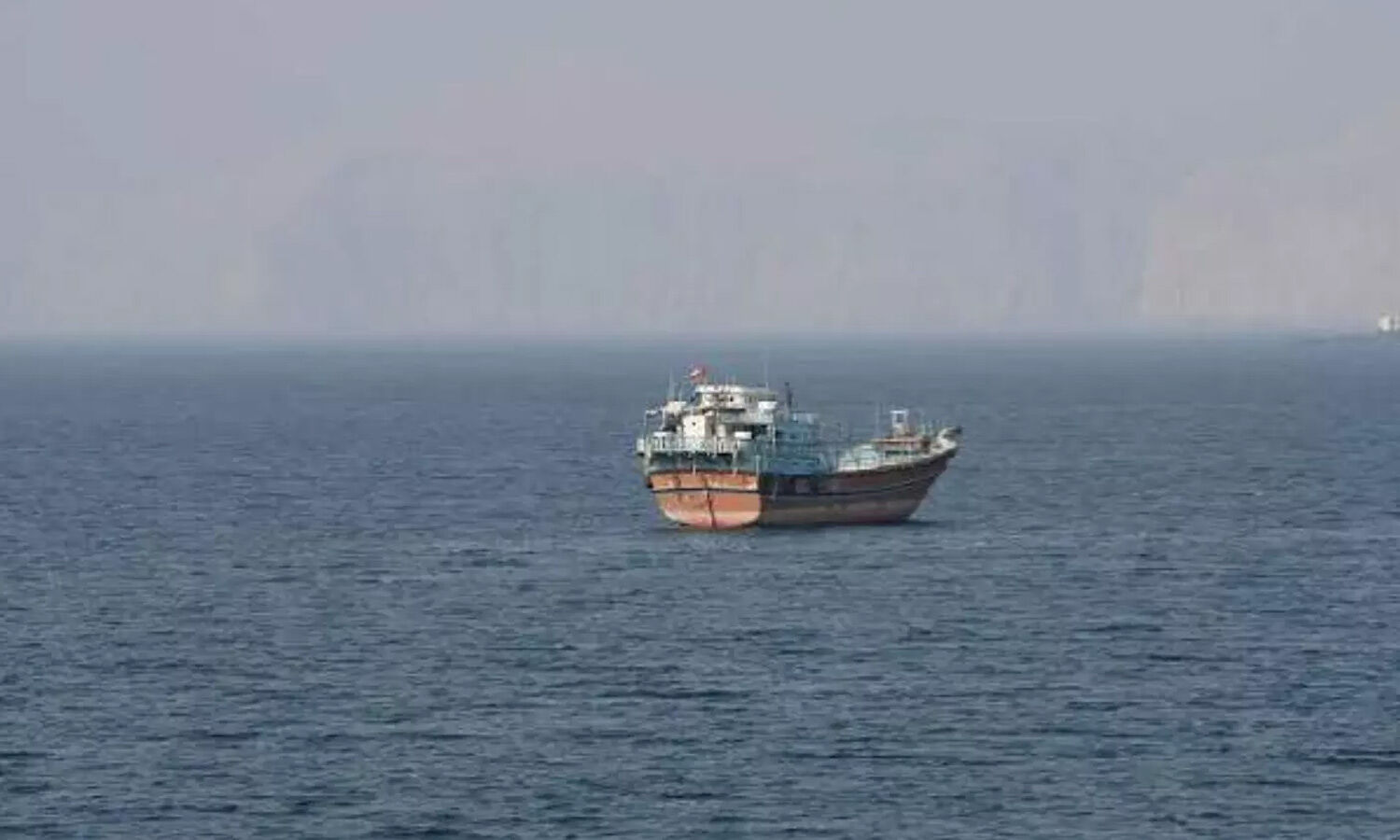
Two Ships Carrying 22 Indians Hijacked Off Yemen, Somalia

Turkey-Somalia Forces Free Hijacked Vessel After 10-Day Battle

Putin Faces Western Isolation While Russia Builds Non-Western Ties

Pentagon Turmoil Deepens as Hegseth Tightens Grip on Military

Germany Blames Russia for Leipzig Drone Attack, Europe Vows Response

Erdogan Says Turkey Would Consider Full Shanghai Cooperation Organisation Membership

Augsburg Train Station Closed After Explosion, Suspicious Object Found
