1 day ago
Why Lord Ganesha Is Called Ekadanta: Three Tusk Stories
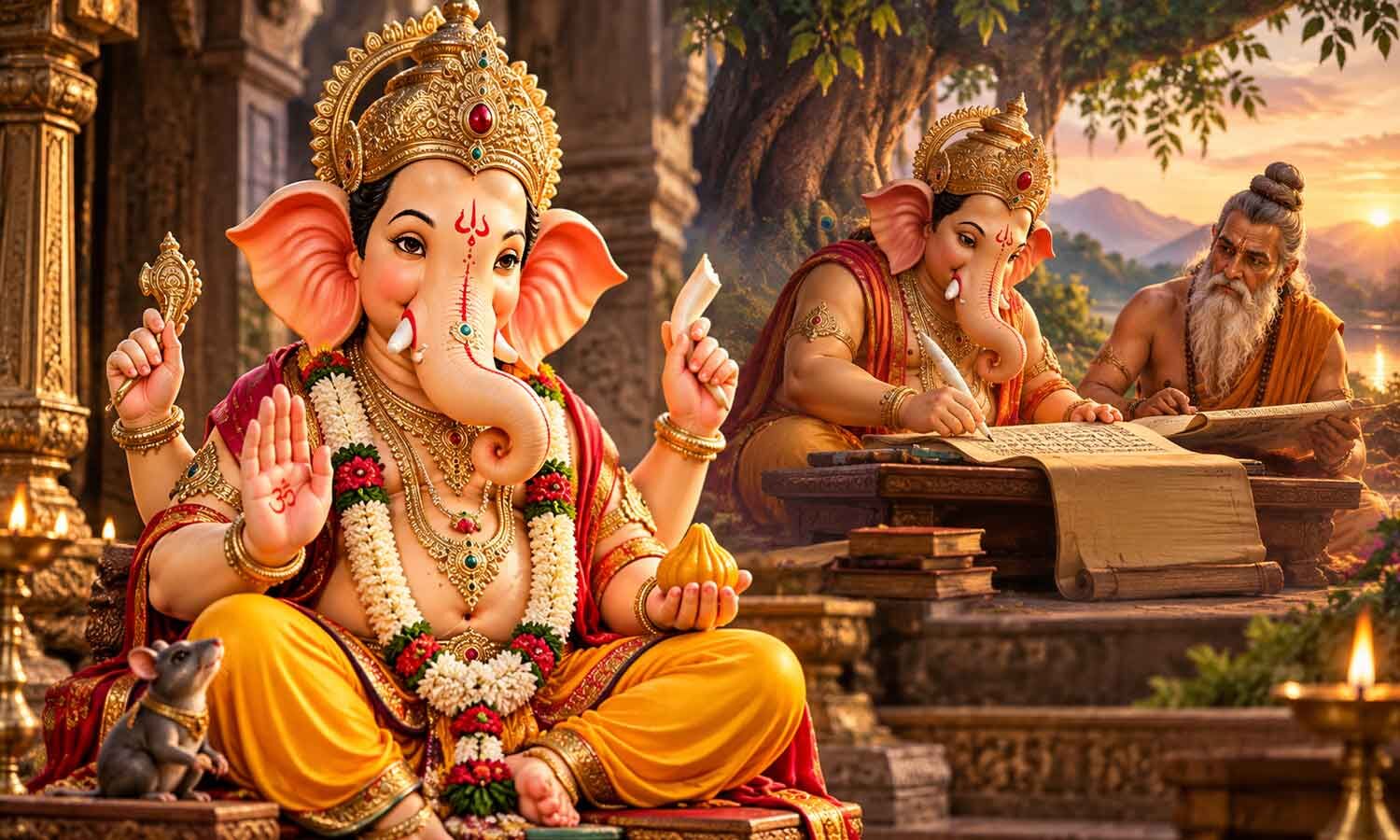
Lord Ganesha is sometimes called Ekadanta, which means “one-tusked.”
Stories say that one of his tusks was broken.
In one story, Parashurama’s axe broke it during a confrontation at Mount Kailash.
Ganesha accepted the blow because the axe belonged to his father, Shiva.
In another story, Ganesha broke the tusk himself when his writing instrument broke.
He used it to keep writing the Mahabharata while Sage Ved Vyasa recited it.
A third story says the tusk broke during a battle with Gajamukhasura.
These stories teach ideas about respect, sacrifice, courage and determination.

Ekadanta means “one-tusked,” referring to Lord Ganesha’s broken tusk.
One story says Parashurama broke Ganesha’s tusk with Shiva’s divine axe at Mount Kailash.
Another legend says Ganesha broke his tusk to write the Mahabharata for Sage Ved Vyasa.
A third tradition says Ganesha lost his tusk while fighting the demon Gajamukhasura.
Across these stories, the broken tusk symbolizes devotion, sacrifice, determination and overcoming obstacles.
- Who
- Lord Ganesha, Parashurama, Lord Shiva, Sage Ved Vyasa and Gajamukhasura are central figures in the stories.
- What
- The traditions explain why Ganesha has one broken tusk and is called Ekadanta.
- Where
- One account takes place at Mount Kailash; another concerns the writing of the Mahabharata.
- When
- Why
- The stories connect the broken tusk with devotion, sacrifice, determination and overcoming obstacles.
Key facts
- Name
- Ekadanta
- Meaning
- “One-tusked”
- Parashurama account
- Parashurama’s divine axe broke Ganesha’s tusk during a confrontation at Mount Kailash.
- Mahabharata account
- Ganesha broke his tusk to continue writing when his writing instrument broke.
- Third tradition
- Ganesha broke his tusk while fighting the demon Gajamukhasura.
- Symbolism
- The broken tusk represents devotion, sacrifice, determination and overcoming challenges.
Sources
Related news
Why Modak Is Considered Lord Ganesha’s Favourite Sweet
Why Lord Ganesha Is Called Vighnaharta: Story Behind Name
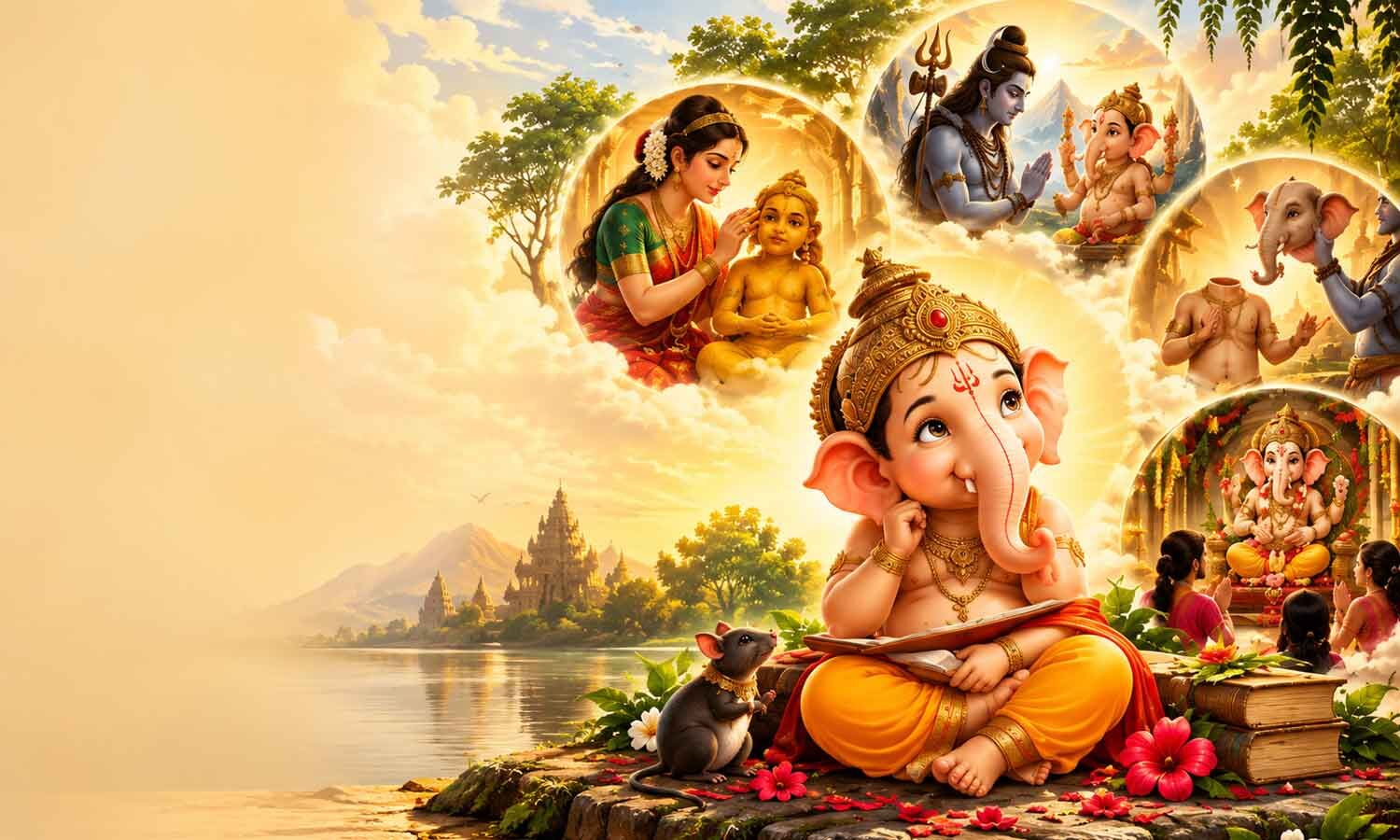
Ganesh Chaturthi Celebrates Ganesha’s Birth and Enduring Spiritual Significance

What Ganesha’s Form Symbolizes: Wisdom, Acceptance, and Consciousness

Ganesha’s Symbols Offer Sutras for Nation-Building and Sustainability

Northeastern India Celebrates Ganesha Through Rocks, Folklore, and Nature
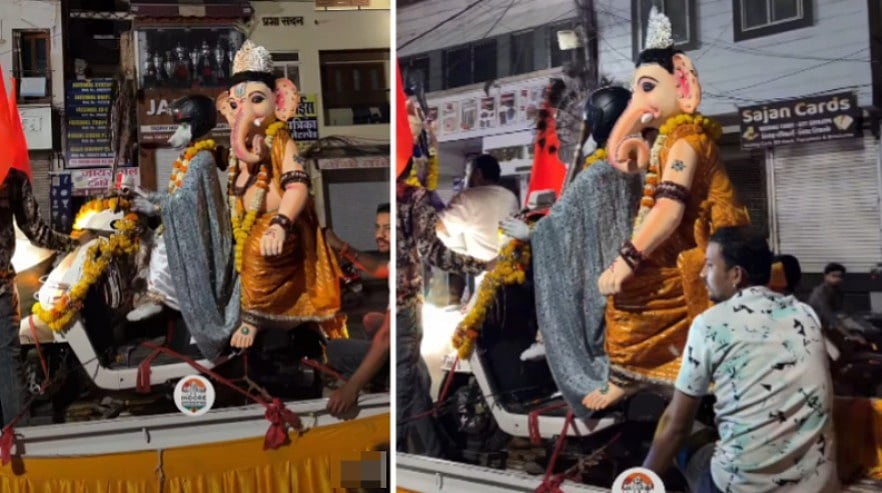
Unique Ganesh Idol Rides Scooter Through Indore Streets
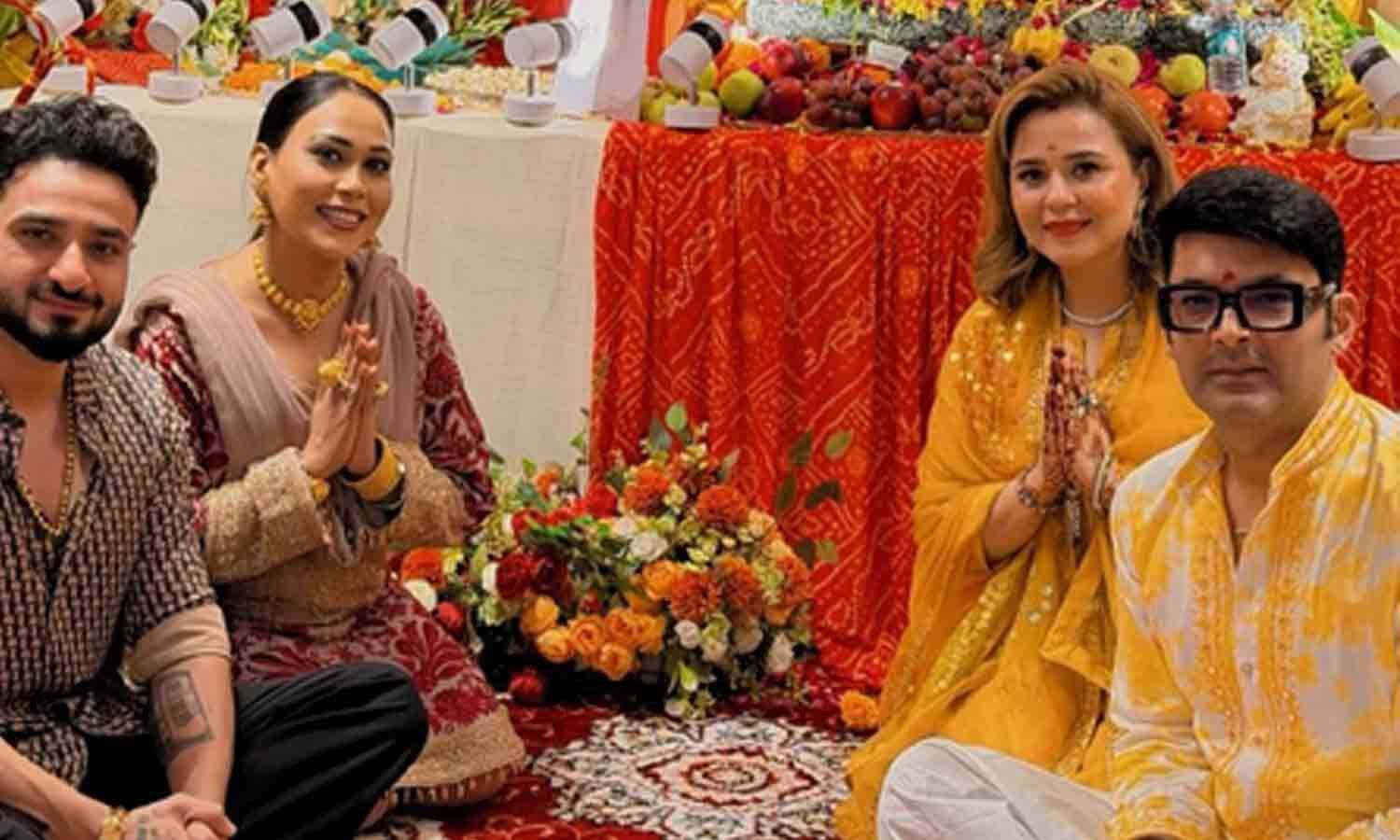
Afsana Khan Trolled After Joining Kapil Sharma’s Ganpati Celebration

Ganesha Biryani Banner Triggers Outrage, Tirunelveli Owner Arrested
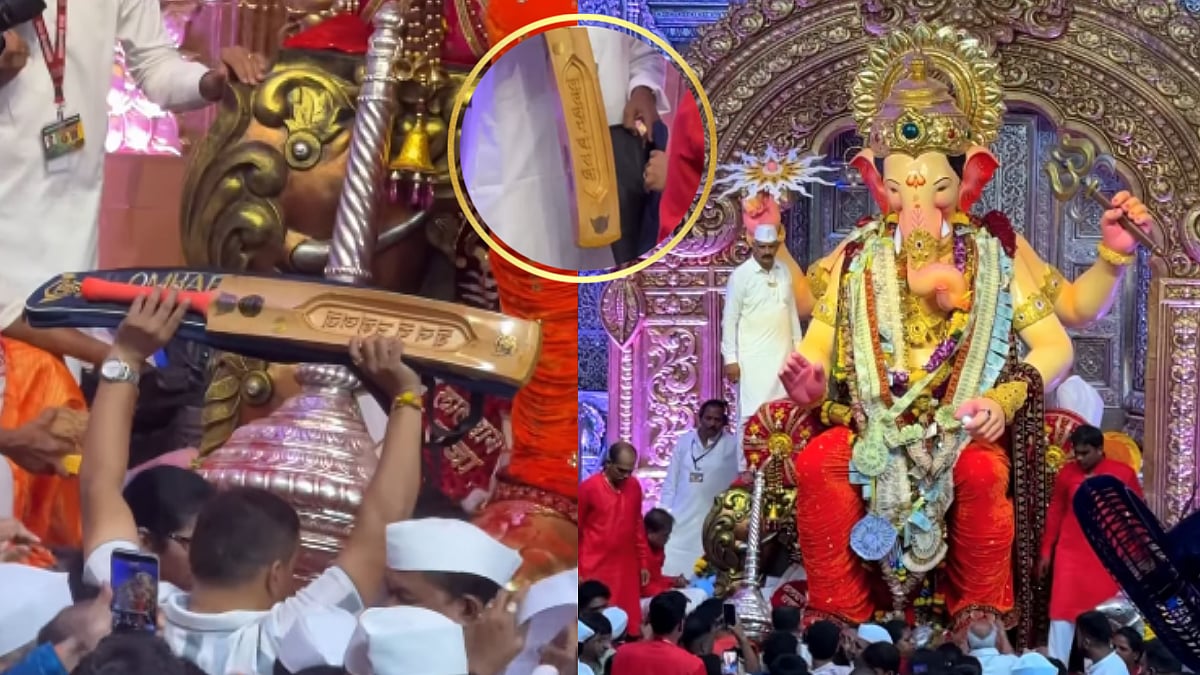
Devotee Gifts Cricket Bat Inscribed With Lalbaugcha Raja
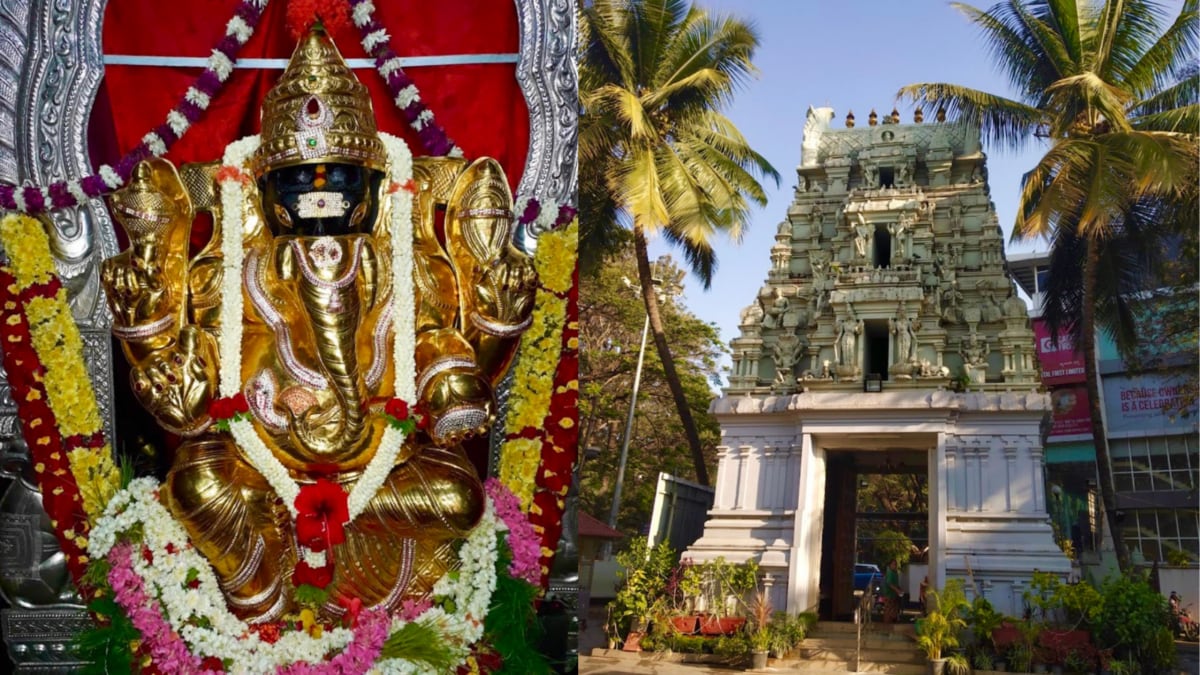
Why Bengaluru’s Sri Prasanna Ganapati Temple Is Called Techie Ganesha