17 hrs ago
Tokenised Corporate Bonds Face Test of Secondary-Market Liquidity

India has started testing a new way to issue corporate bonds using digital tokens.
Three issuers raised Rs 1,025 crore in the first set of transactions.
The experiment is called Demat 2.0 and is being led by Sebi and the RBI.
The system uses digital records and central bank digital currency to help settle trades.
This could make transactions faster and reduce some settlement risks.
However, the bonds must also be easy to buy and sell after they are issued.
Tokenisation cannot create buyers or guarantee that a bond will be liquid.
Regulators plan to test trading on existing platforms before allowing retail investors to participate.
They are also studying issues such as privacy, legal clarity and whether different digital platforms can work together.

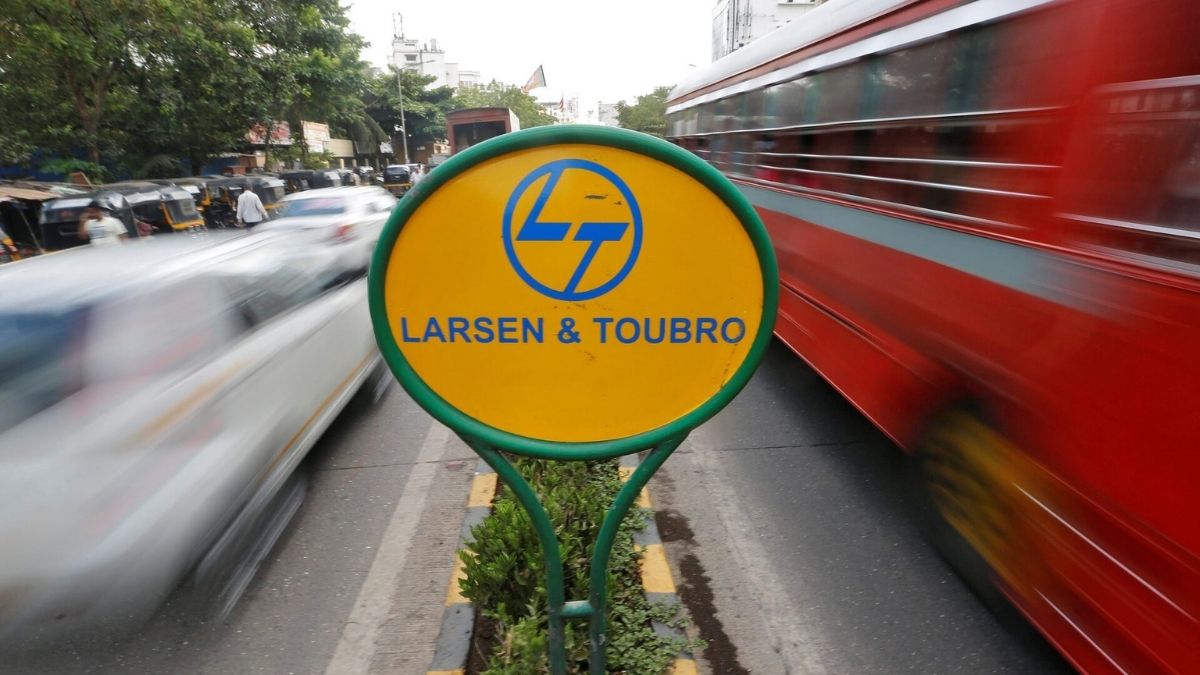
REC, L&T and IIFL Finance raised a combined Rs 1,025 crore through tokenised corporate bonds.
The issuances took place under the Sebi-RBI “Demat 2.0” pilot framework.
Tokenisation uses distributed ledger technology with central bank digital currency for delivery-versus-payment settlement.
The next pilot phases will enable secondary trading through request-for-quote platforms before possible retail participation.
Market participants said tokenisation may improve efficiency but cannot itself create liquidity, remove credit risk or resolve interoperability concerns.
- Who
- Sebi, the RBI, and issuers including REC, L&T and IIFL Finance are involved, with institutions and market participants assessing the pilot.
- What
- A pilot for tokenised corporate bonds raised Rs 1,025 crore and is moving toward testing secondary-market trading.
- Where
- The framework was launched at the Global Fintech Fest.
- When
- The three issuances occurred last week; Sebi outlined the pilot’s phased rollout in a release dated September 10.
- Why
- The initiative aims to improve transaction speed, settlement, price discovery and market efficiency, while testing whether tokenised bonds can develop a functioning secondary market.
Tokenisation’s Potential
Market and Regulatory Caution
Efficiency gains
Tokenisation’s Potential
Tokenisation could reduce operating costs, speed up execution and settlement, improve price discovery and increase market efficiency.
Market and Regulatory Caution
Tokenisation alone does not eliminate credit risk or guarantee liquidity, so broader market reforms and participation are still needed.
Secondary-market prospects
Tokenisation’s Potential
If the pilot delivers reliable price discovery, sufficient liquidity and integration with existing infrastructure, more issuers and investors may participate.
Market and Regulatory Caution
The framework is currently issuance-led and institution-focused; its more important test will be whether enough buyers and sellers emerge in secondary trading.
Expansion and scale
Tokenisation’s Potential
The initial response could encourage further corporate-bond issuances, and NABARD is considering raising funds through tokenised bonds.
Market and Regulatory Caution
Scaling may intensify concerns over legal clarity, privacy, data certainty and interoperability among multiple tokenised-asset and digital-money platforms.
Key facts
- Pilot framework
- “Demat 2.0,” combining distributed ledger technology with central bank digital currency.
- Total raised
- Rs 1,025 crore across three issuances.
- Issuers
- REC raised Rs 500 crore, L&T raised Rs 500 crore and IIFL Finance raised Rs 25 crore.
- Settlement model
- Delivery-versus-payment using central bank digital currency.
- Next phase
- Buying and selling through existing request-for-quote platforms.
- Longer-term phase
- Potential expansion to retail investors.
- Key concerns
- Secondary-market liquidity, credit risk, legal clarity, data certainty, privacy and interoperability.
Quotes
Manisha Shroff
Partner at Khaitan & Co.
“A functioning secondary market requires broader participation, reliable price discovery, sufficient liquidity and integration with existing trading infrastructure. If the project can demonstrate that tokenisation can deliver these benefits without creating additional risks, the number of issuers and investors will potentially increase.”
 financialexpress.com
“A big challenge is interoperability. If multiple platforms emerge for tokenised assets and digital money, they will need to work with one another rather than develop as isolated systems.”
financialexpress.com
Sources
Related news

SEBI Launches Demat 2.0 Pilot for Tokenised Corporate Bonds
REC raises Rs 500 crore through India’s first tokenised bond
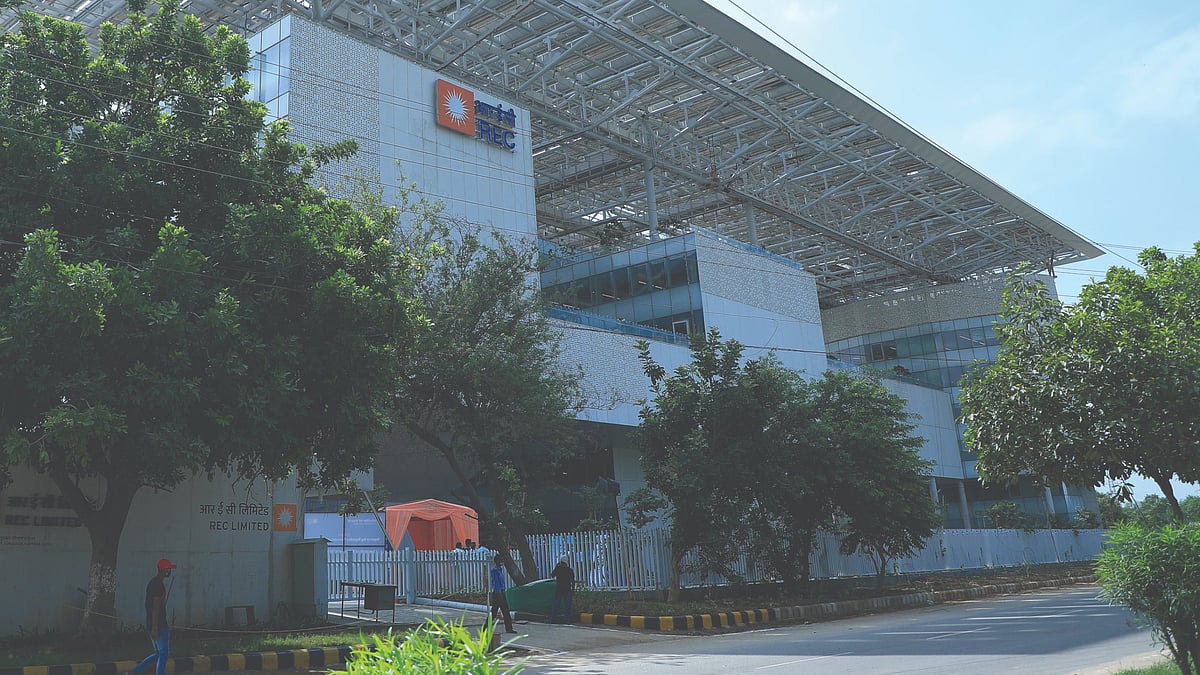
REC Launches India’s First Tokenized Corporate Bond Pilot

India Prepares Pilot for Tokenised Corporate Bonds

Digital Bond Summit Highlights Liquidity, Custody and Cybersecurity Risks

Sebi’s Demat 2.0 Pilot Tests Tokenised Corporate Bond Settlement

Pan-IIT Summit Seeks DeepTech Hub Status for Andhra Pradesh

SEBI Plans AI Oversight Toolkit and Tokenised Bond Pilot

Kotak Flags HAL, BEL as Defence Approval Beneficiaries