2 weeks ago
Anthocyanin-Rich Foods May Boost Heart and Metabolic Health
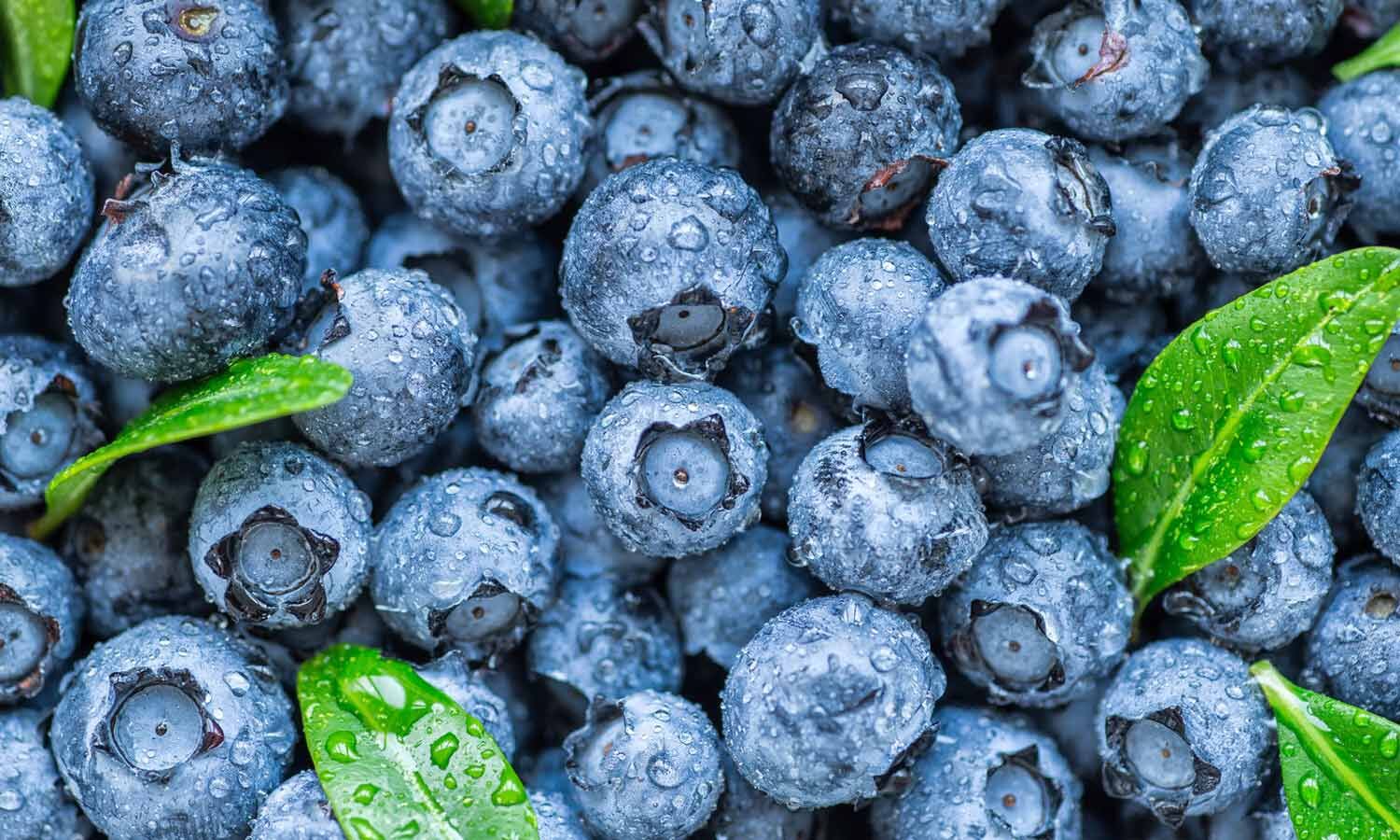
Some fruits and vegetables are red, purple, or blue because they contain special plant helpers called anthocyanins.
Berries, like blueberries, have lots of these helpers.
Scientists reviewed many studies about these colourful foods.
They found that people who ate more anthocyanins were 26% less likely to get heart disease.
They were also 18% less likely to have a heart attack, and their chances of getting type 2 diabetes were 11% lower.
The foods helped blood vessels work better and helped keep blood sugar levels healthy.
Eating about 50 milligrams a day was enough, which is easy with foods like blueberries.
The findings matter especially for India, where heart disease and diabetes are growing problems.
But no single food is a magic cure, and a balanced diet, exercise, sleep, and medical care matter most.

A systematic review and meta-analysis in The American Journal of Clinical Nutrition found higher anthocyanin intake is associated with a 26% lower risk of cardiovascular disease.
Higher anthocyanin intake was linked to an 18% lower risk of myocardial infarction (heart attack), an 11% lower risk of type 2 diabetes, a 9% lower risk of cardiovascular mortality, and an 8% lower risk of hypertension.
Researchers analysed 18 prospective cohort studies reported across 27 publications and 65 randomised controlled trials involving adults without diagnosed disease.
Randomised controlled trials showed improvements in blood-vessel function and insulin concentrations at dietary anthocyanin intakes of 50 mg per day.
Findings are described as especially relevant for India, where cardiovascular disease, diabetes and hypertension are growing public health concerns, with USA blueberries cited as an easily incorporated anthocyanin source.
- Who
- Researchers led by Professor Aedín Cassidy, with commentary from Raj Kapoor, India Representative of the U.S. Highbush Blueberry Council.
- What
- A systematic review and meta-analysis linking higher intake of anthocyanin-rich foods to lower risks of cardiovascular disease, heart attack, type 2 diabetes, cardiovascular mortality and hypertension.
- Where
- Published in The American Journal of Clinical Nutrition; findings described as especially relevant for India.
- When
- Not specified in the articles
- Why
- To assess whether dietary anthocyanins support cardiovascular and metabolic health in otherwise healthy adults.
Key facts
- Journal
- The American Journal of Clinical Nutrition
- Study Type
- Systematic review and meta-analysis
- Cohort Studies Reviewed
- 18 (across 27 publications)
- Randomised Controlled Trials Reviewed
- 65
- Associated Risk Reductions
- 26% cardiovascular disease, 18% heart attack, 11% type 2 diabetes, 9% cardiovascular mortality, 8% hypertension
- Effective Daily Anthocyanin Intake
- From 50 mg per day
- Study Population
- Adults without diagnosed disease
- Relevance
- Especially relevant for India
Quotes

Raj Kapoor
India Representative, U.S. Highbush Blueberry Council
“"This research reinforces the importance of dietary diversity and the inclusion of naturally colourful foods in our daily meals. USA blueberries offer anthocyanins that support heart health and can be easily incorporated into contemporary Indian eating habits."”
 deccanchronicle.com
“"As India is suffering with rising burden of lifestyle diseases, this study adds to the growing body of evidence on the cardiometabolic benefits of consuming a rainbow of naturally colored foods that are good for the heart."”
 thehansindia.com
Professor Aedín Cassidy
Lead investigator of the study
“"The findings indicate that simple and achievable dietary changes may contribute to reducing the long‑term risk of cardiovascular disease, hypertension and type 2 diabetes."”
deccanchronicle.com
Sources
Related news

Study Links Regular Stair Climbing With Lower Heart Risk

Study: 1 in 20 Delhi-NCR adults have diabetes and hypertension

Heart Disease Is Increasingly Affecting Younger Adults in India
5 supplements that may help support healthy blood pressure

Why Young Adults Should Check Heart Health Before 25