2 days ago
House Passes Ratepayer Protection Act Targeting AI Data Center Costs

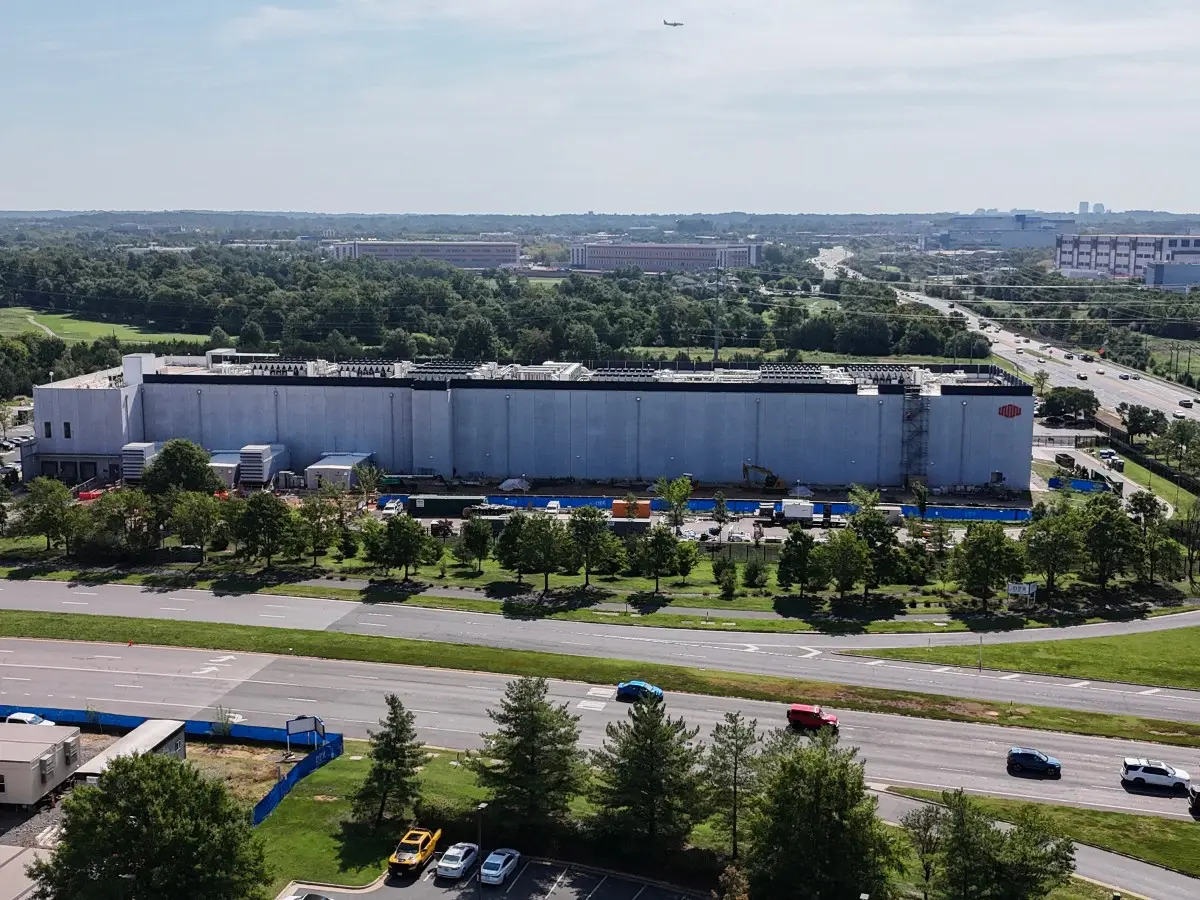
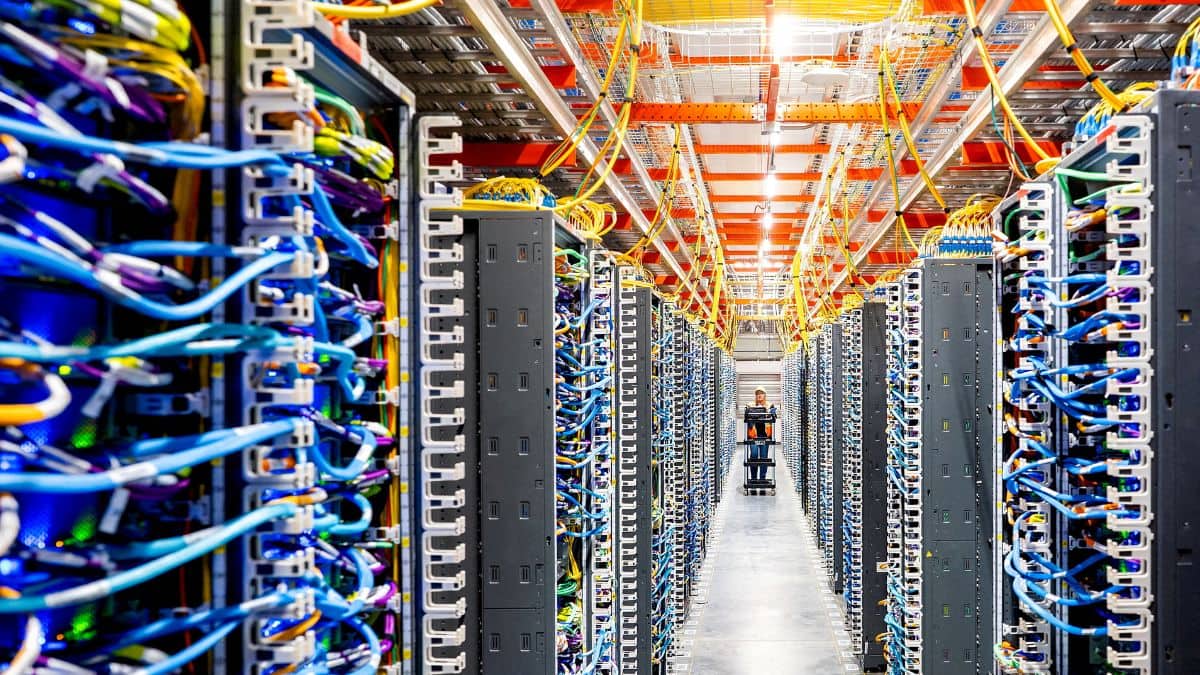
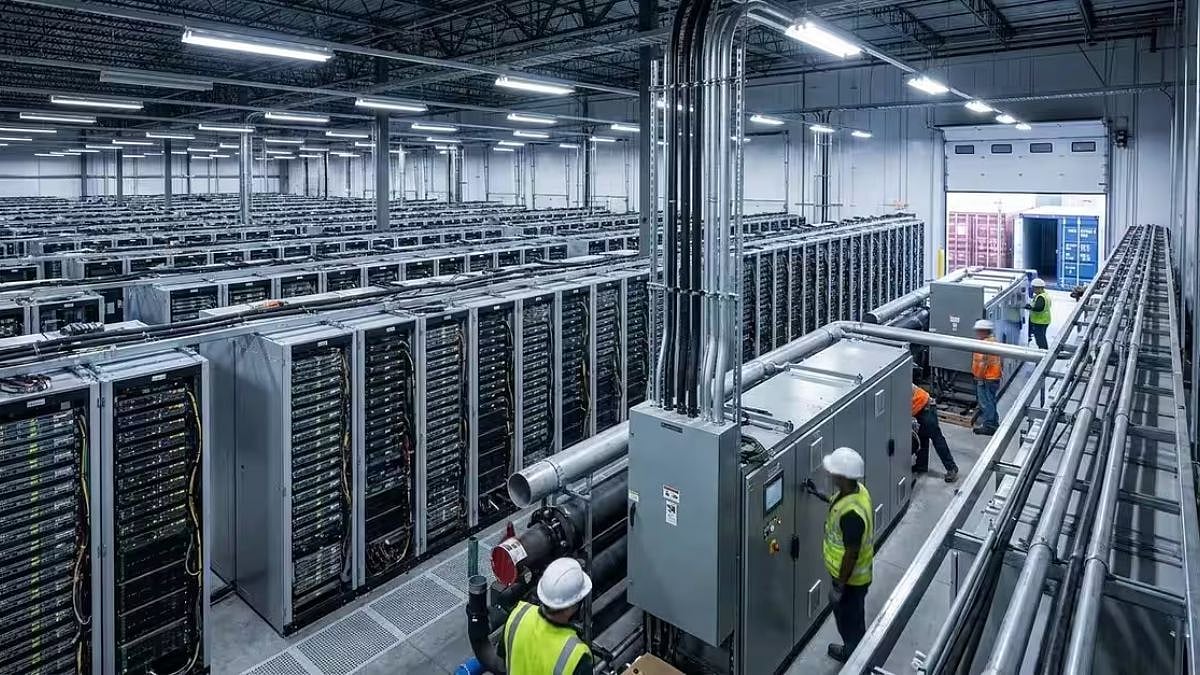
The House passed a bill about how very large AI data centers should pay for electricity upgrades.
These data centers can use at least 100 megawatts of power.
New power plants, transmission lines and other equipment may be needed to serve them.
The bill says states could consider rules making the companies pay those added costs.
Supporters say families should not receive higher electric bills because of data center growth.
The bill passed 417 to 3, showing support from both major parties.
Three progressive Democrats voted against it.
Critics say states might ignore the proposed protections because they are not mandatory.
The Senate still has to decide whether to take up the bill.

The United States House of Representatives passed the Ratepayer Protection Act by a 417-3 vote.
The bill would let state regulators consider standards for AI data centers using at least 100 megawatts of electricity.
Those standards could require operators to cover new generation, transmission and related infrastructure costs.
Supporters say the measure would prevent households, farmers, seniors and businesses from subsidizing data center expansion.
The Senate has not acted, while critics say voluntary state protections leave consumers and communities insufficiently protected.
- Who
- The United States House of Representatives, led by sponsor Gabe Evans and co-sponsor Kathy Castor, passed the measure; data center operators and electricity customers would be affected.
- What
- The House passed the Ratepayer Protection Act, also identified as House Resolution 9340, concerning electricity costs linked to large AI data centers.
- Where
- The legislation concerns AI data centers, state utility regulators and electricity customers in the United States.
- When
- The House passed the bill on Wednesday; it was introduced in June, with one article specifying June 18, 2026.
- Why
- The bill aims to reduce the risk that consumers will pay for power generation, transmission and other infrastructure required by data centers.
Supporters of the bill
Critics seeking stronger protections
Who should pay for grid expansion?
Supporters of the bill
Gabe Evans, Kathy Castor and other supporters say data center operators creating new electricity demand should pay the resulting infrastructure costs rather than households.
Critics seeking stronger protections
Critics say the bill addresses only some grid-interconnection costs and does not cover the broader consumer and community effects of data center development.
Mandatory versus voluntary protections
Supporters of the bill
Supporters describe the bill as federal guardrails that states can use while preserving state authority over electricity markets.
Critics seeking stronger protections
The League of Conservation Voters and Public Citizen argue that asking states to consider protections may allow regulators to ignore them.
How broadly should Congress regulate AI and data centers?
Supporters of the bill
Supporters say the United States needs infrastructure to compete in AI and that the bill can protect consumers while allowing industry growth.
Critics seeking stronger protections
Rashida Tlaib called for stronger action, including a national data center moratorium and restrictions on federal-land construction; Hakeem Jeffries said Congress should address wider AI concerns.
Key facts
- House vote
- 417-3
- Covered facilities
- AI data centers with electricity demand of 100 megawatts or more
- Proposed operator responsibility
- Payment for incremental generation, transmission and related infrastructure costs
- State role
- State regulators could adopt or consider the proposed cost-protection standards
- Bill sponsors
- Rep. Gabe Evans, a Colorado Republican, and Rep. Kathy Castor, a Florida Democrat
- Opposition
- Reps. Summer Lee, Delia Ramirez and Rashida Tlaib were the only House members reported to vote against the bill
- Next step
- The Senate has not taken action; John Thune has indicated it could potentially approve the measure
- Criticism
- The League of Conservation Voters and Public Citizen said voluntary or limited protections may not adequately protect consumers and communities
Quotes
Rep. Kathy Castor
Florida Democratic representative and co-sponsor of the legislation
“America needs the infrastructure to lead the world in AI and outcompete Communist China, but we cannot have that growth at the expense of hardworking families, farmers, seniors, and small businesses.”
 financialexpress.com
“My neighbors across Florida are grappling with skyrocketing electric bills. Ratepayers should not have to subsidize wealthy corporations’ growing energy demands, especially from AI data centers.”
 wionews.com
Sara Chieffo
Senior vice president of government affairs at the League of Conservation Voters
“The Ratepayer Protection Act has very limited ability to actually protect consumers from higher utility rates, as it simply asks states to ‘consider’ requiring data centers to pay for certain grid interconnection costs.”
financialexpress.com
“With only a weak directive to states to voluntarily consider adopting cost protections against the energy costs of data centers for ratepayers, state regulators could ultimately choose to ignore this bill.”
wionews.com
Sources
Related news

AI Data Centres Turn Power Bills Into 2026 Election Issues
AI Data Center Expansion Faces Growing U.S. Backlash
Trump Links Data Centre Opposition to China AI Advantage

US AI Boom Requires $110 Billion for New Power Plants
US AI Infrastructure Investment May Reach $1.4 Trillion

Former Data Center Supporters Turn Against Them in Campaigns

Montana Voters Test New Corporate Election Spending Limits

Trump's $5,000 Adult Payout Promise Faces Funding And Approval Questions

US Lawmakers Introduce Bill to Ban Deceptive AI Ads