1 month ago
Supreme Court Holds Lift Makers, Owners, Maintainers Jointly Liable
The Supreme Court of India said that if a lift (elevator) has an accident, the people who made it, the people who keep it working, and the people who own the building all share the blame.
This means that if someone gets hurt, they can ask any of those three groups for money, and those groups can later decide how much each one should pay.
The court also said that lifts are like buses or trains, so they must be very safe.
The decision came after a 2003 accident that killed a diplomat named Vipin Handa.
The court kept a previous order that gave his family 3.01 crore rupees and interest.
Now, building owners and maintenance companies must be extra careful with lifts.

Supreme Court ruled that lift accidents involve joint liability of manufacturer, maintenance agency, and building owner.
Elevators are classified as ‘common carriers’, giving passengers a higher duty of care.
Liability split: 70% to Otis Elevator Company, 25% to Military Engineering Services, 5% to the government department.
Court upheld ₹3.01 crore compensation to Vipin Handa’s family with 9% annual interest.
The ruling stems from a 2003 lift accident at R&AW headquarters that killed a diplomat.
- Who
- Supreme Court of India, Otis Elevator Company, Military Engineering Services, government department
- What
- Declared joint liability for lift accidents and upheld compensation for Vipin Handa’s family
- Where
- New Delhi, India
- When
- July 29, 2026
- Why
- To ensure higher duty of care for passengers and prevent future lift tragedies
Key facts
- Ruling Date
- July 29, 2026
- Court
- Supreme Court of India
- Liability Split
- 70% Otis, 25% MES, 5% Government
- Compensation
- ₹3.01 crore
- Interest Rate
- 9% annual, 12% if delayed
Quotes

Supreme Court of India
The bench of Justices PS Narasimha and Alok Aradhye
“"In such a setting, even a slight jolt, a sudden halt or an unusual noise from the machinery can instil fear in passengers. It serves as a reminder to every passenger that safety is not merely an expectation but a fundamental guarantee that every lift must provide."”
 wionews.com
 firstpost.com
 NDTV
NDTV
“"An elevator must be construed and deemed to be a common carrier. It is a legal necessity to impose a heightened duty to care because passengers have no control over the conveyance and are entirely dependent on automation or operators."”
firstpost.com

Otis Elevator Company
Representative of the lift manufacturer
“human error”
NDTV
Sources
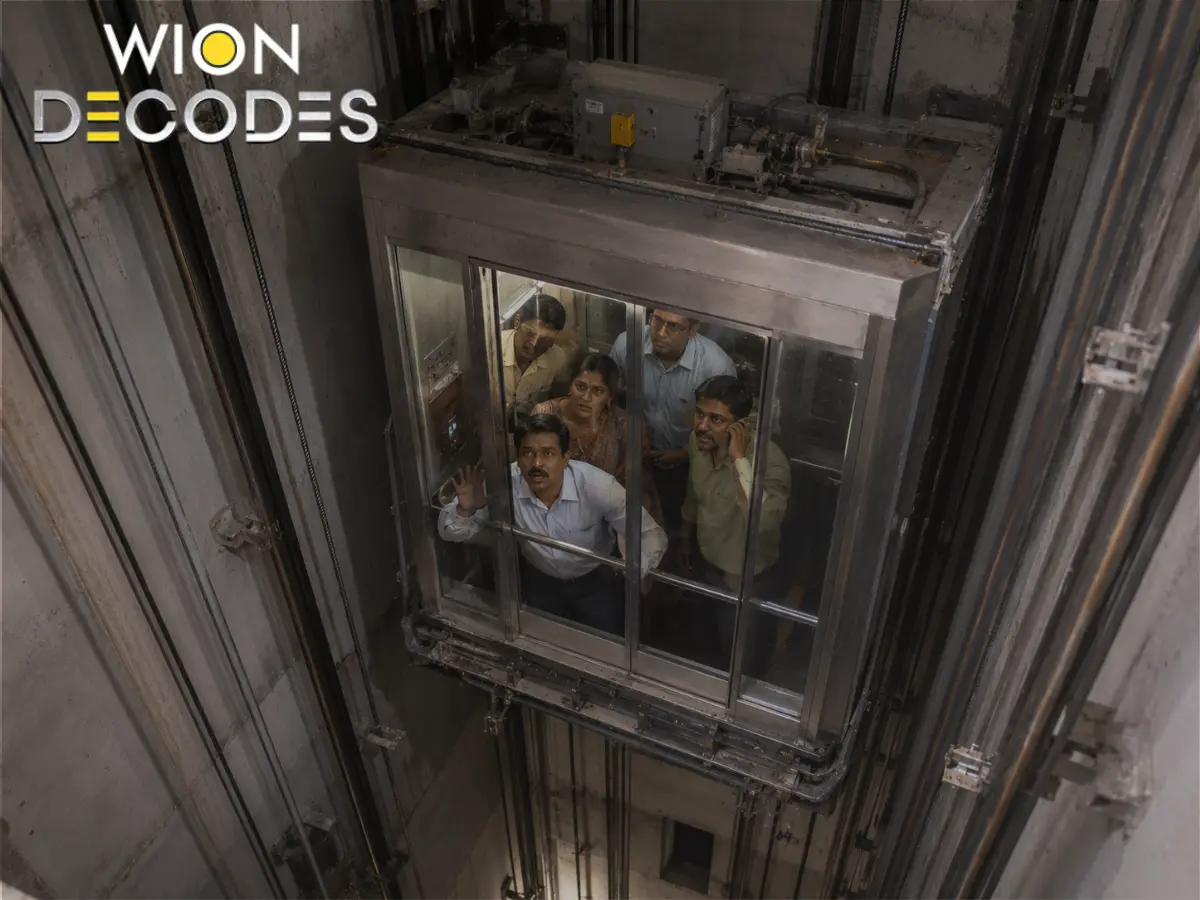
Lift accident? Maintenance, builders & makers are ALL liable now, rules Supreme Court: 3 major regulations | WION Decodes
Who is liable for a lift accident in India? The Supreme Court has the answer
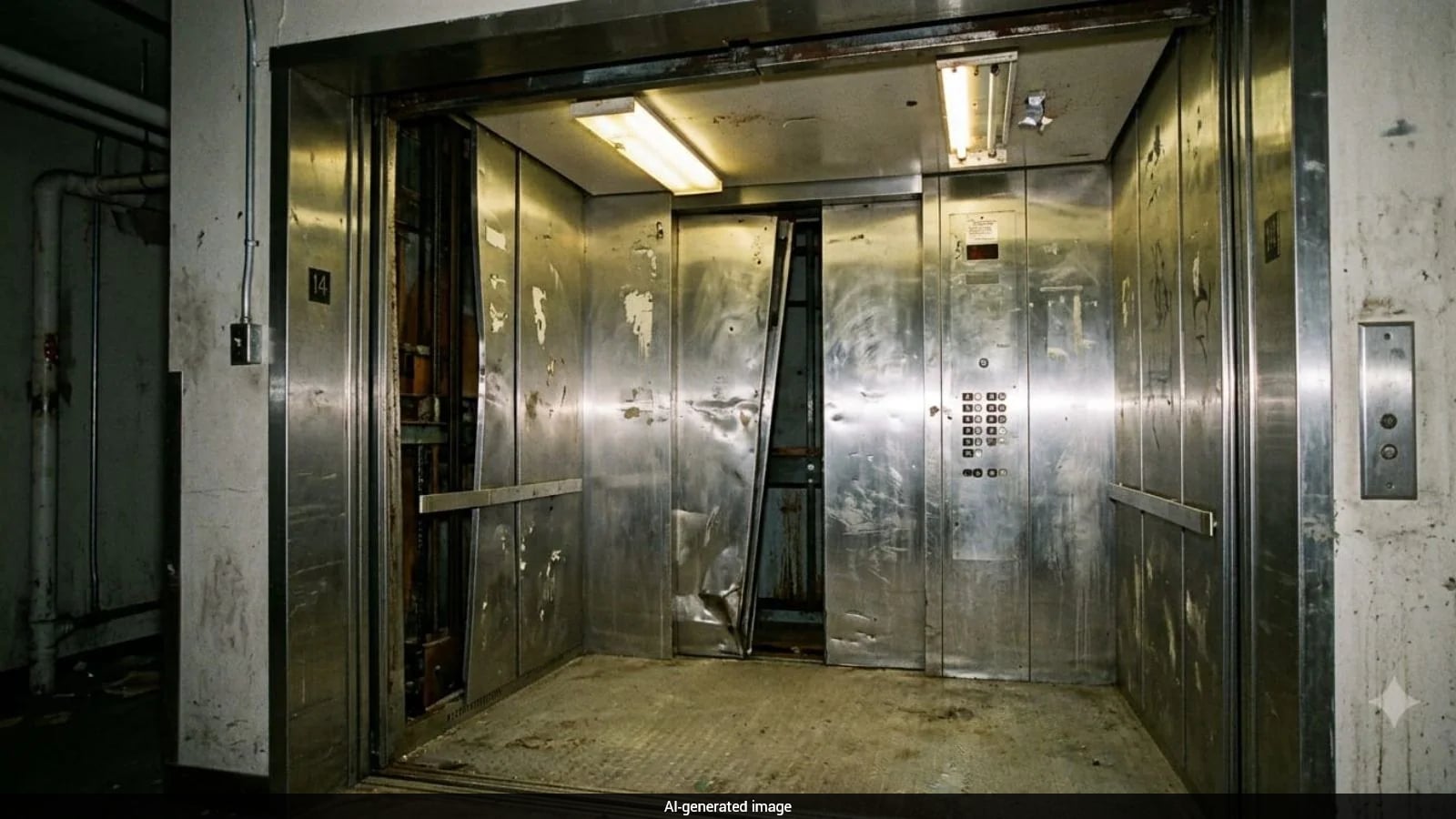
Supreme Court's Landmark Order On Fixing Responsibility For Lift Accidents
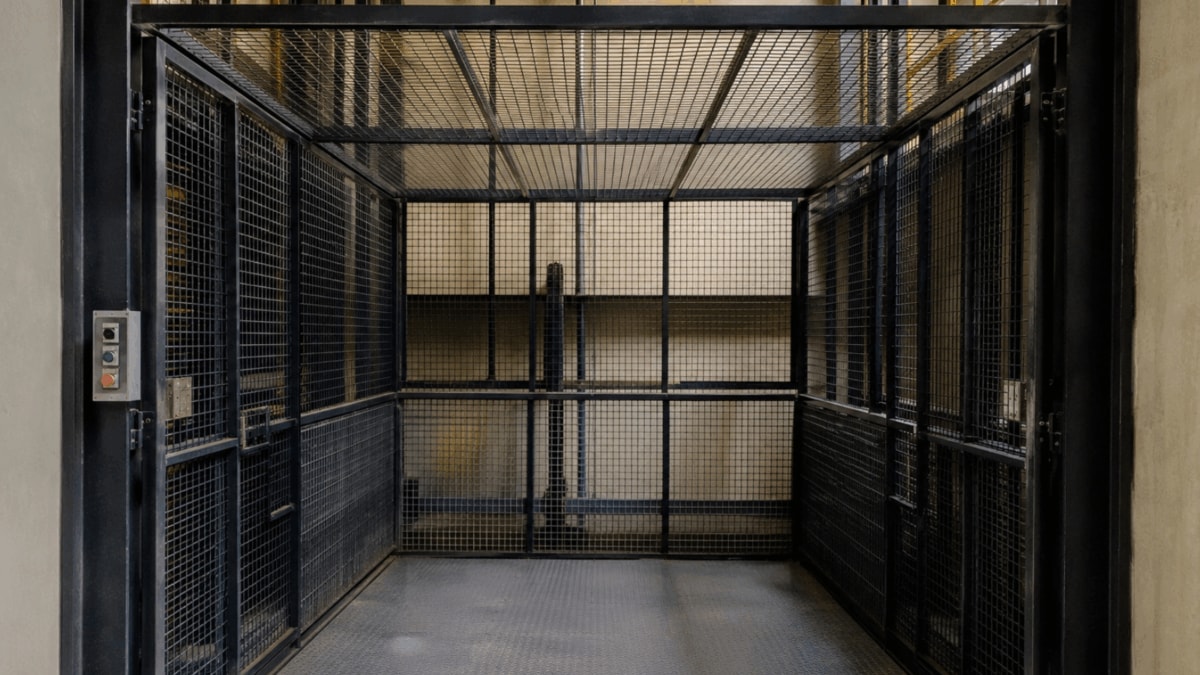
Who's Liable When A Lift Fails? Supreme Court Sets Record Straight In Landmark Ruling
Related news
Hyderabad Lift Accident Brings Poor Maintenance Into Focus

Supreme Court: Electricity Boards Strictly, Not Absolutely Liable in Electrocution
Expert Urges Lift Safety Courses and Rules After Hyderabad Accident

Woman Dies After Andhra Pradesh Elevator Moves With Door Open

AC Technician Dies After Fall From Bandra BKC Building

Mumbai Tribunal Orders BMC Compensation for Unmarked Garbage Compactor Accident
Supreme Court Review Dismissal Highlights IBC’s Costly Post-Approval Litigation

22 Injured After Bus Falls Into Gorge in Uttarakhand
Delhi Police Apologizes After Lawyers Manhandled