4 days ago
Why Indian Promoters Borrowed More Than ₹7 Trillion

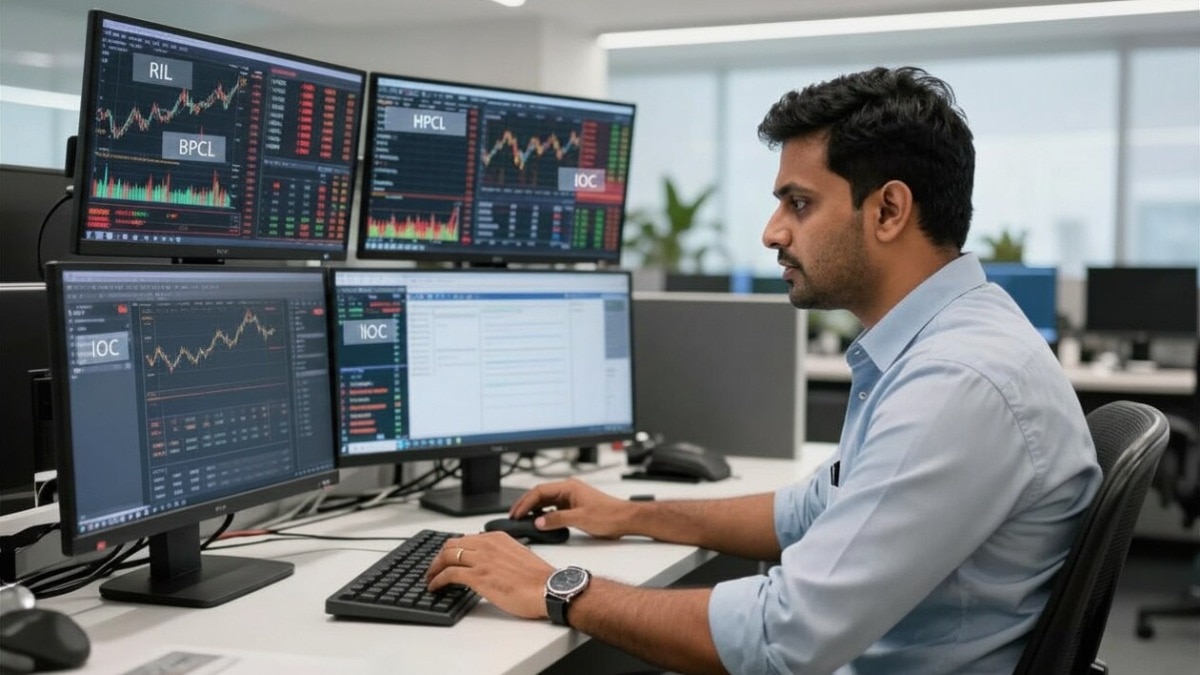
Promoters are major owners or controllers of companies.
They can borrow money by using their company shares as security.
By June 2026, Indian promoters had borrowed more than ₹7 trillion this way.
Much of the money is being used to expand businesses, buy companies or start new ventures.
Some borrowing may also fund personal needs or purchases of more shares.
This can help companies grow without the promoters selling their ownership.
However, if share prices fall, lenders may ask for more security or repayment.
If the promoter cannot provide it, the lender may sell the shares.
Large share sales could push prices down even further.

Indian promoters had borrowed more than ₹7 trillion against shares in NSE-listed companies by June 2026.
The amount was over three times the ₹2 trillion recorded in June 2019.
Borrowings are being used for acquisitions, capacity expansion, new businesses, stake purchases and some personal needs.
The share of promoter holdings involved rose from 2.52% in June 2019 to 3.17% in June 2026.
Falling share prices could trigger margin calls and forced sales, while lenders increasingly demand additional collateral.
- Who
- Indian promoters and the financial institutions lending against their shareholdings.
- What
- Promoters borrowed more than ₹7 trillion against pledged shares and shares covered by non-disposal undertakings.
- Where
- Against shares in companies listed on the National Stock Exchange of India.
- When
- As of the June 2026 quarter, compared with ₹2 trillion in June 2019.
- Why
- To fund acquisitions, capacity expansion, new companies, increased stakes and, in some cases, personal expenses or liquidity needs.
Expansion and Capital Access
Market and Credit Risk
Purpose of borrowing
Expansion and Capital Access
Borrowing against shares can provide capital for acquisitions, capacity expansion and new businesses without diluting promoter ownership.
Market and Credit Risk
Borrowing is riskier when used to address financial stress or for personal liquidity rather than productive investment.
Effect of falling share prices
Expansion and Capital Access
Share-backed borrowing gives promoters access to funds while they retain their ownership in listed companies.
Market and Credit Risk
A sharp price decline can trigger margin calls, forced share sales and additional downward pressure on the stock.
Lender protection
Expansion and Capital Access
Shares provide lenders with collateral that can be sold if a borrower fails to meet obligations.
Market and Credit Risk
Recent court rulings have clarified limits on lenders' claims in insolvency cases, leading lenders to seek guarantees, mortgages and personal guarantees in addition to shares.
Key facts
- Total borrowing
- More than ₹7 trillion by June 2026.
- Pre-pandemic comparison
- ₹2 trillion in June 2019.
- Promoter stake involved
- 3.17% in June 2026, up from 2.52% in June 2019.
- Companies with such borrowing
- 491 in June 2026, compared with 481 in June 2019.
- Listed-company universe
- Nearly 3,000 companies in June 2026, compared with fewer than 1,700 in June 2019.
- Reported high-borrowing sectors
- Mining, metals, paint and power, among others.
- Loan structures
- Borrowing covered both pledged shares and non-disposal undertakings.
Quotes
Sourasubha Ghosh
Partner at CMS IndusLaw
“Tomorrow, if there is a downward spiral in prices, for reasons not even linked to the company or promoters, say a war, promoters have to meet the margin call by pledging more shares or repaying part of the loans.”
 rediff.com
“You will hardly see a case where a loan has been taken only on the basis of pledge of shares. There will be guarantees, mortgages, personal guarantees.”
rediff.com
Sources
Related news

Promoter Premium Investments Put Piramal Finance, Ather Energy Under Spotlight

Zerodha’s Kamath Warns Margin-Loan Boom Could Spread Market Risk

Promoters Sell ₹13,000 Crore Shares During August Rally

Kamath Warns MTF May Suit Few Investors Amid Rising Risks

Why Kacholia, Singhania ignored falling promoter stakes in healthcare
Subhash Chandra clarifies ₹22,000 crore personal guarantee controversy
NSE derivatives turnover falls below ₹200 lakh crore in August

Indian Stocks Extend Three-Day Losing Streak as Oil Rises
Vodafone Idea Shares Rise as Brand Revamp Draws Investor Attention

Augmont Enterprises Rises Despite Gold-Buying Appeal and Market Risks

BSE Shares Fall as New Closing Auction Session Draws Scrutiny