2 days ago
Five Metrics to Check Before Investing in Metal Funds

Metal funds let people invest in gold or silver without directly buying jewellery, bars, or coins.
Their returns may not exactly match the metal’s price.
Investors should check performance over several years instead of relying only on one year.
They should also look at the fund’s expense ratio, which is the cost of managing it.
Tracking difference shows how far the fund’s results are from the metal’s performance.
Tracking error shows how consistently that gap occurs.
Standard deviation helps show how much the fund’s returns move up and down.
Silver usually moves more sharply than gold.
Investors should also check fund size, trading activity, and liquidity before choosing a fund.

Investors should assess returns over three to five years and compare them with the underlying metal.
Expense ratios affect long-term returns, but the cheapest fund may not track the metal most efficiently.
Tracking difference measures the performance gap, while tracking error shows how consistently returns deviate from the benchmark.
Standard deviation helps assess volatility; silver has generally been more volatile than gold.
Fund size, trading volume, liquidity, and bid-ask spreads are especially important when evaluating metal ETFs.
- Who
- Indian investors considering mutual funds or ETFs that track gold or silver.
- What
- Guidance on five metrics for evaluating metal funds before investing.
- Where
- Indian investment portfolios and the Indian market context.
- When
- The article does not specify a particular date or investment period beyond recommending three- to five-year performance comparisons.
- Why
- To help investors compare funds, understand costs and risks, and assess how efficiently they track gold or silver.
Key facts
- Investment vehicles
- Metal mutual funds and exchange-traded funds can provide market-linked exposure to gold or silver.
- Performance period
- Investors are advised to examine three- to five-year returns where sufficient history exists.
- Core cost measure
- The expense ratio represents the charge levied by the asset management company to operate the fund.
- Tracking measures
- Tracking difference measures the performance gap, while tracking error measures the deviation’s consistency.
- Risk measure
- Standard deviation is commonly used to assess the volatility of metal funds.
- Liquidity indicators
- Trading volume and bid-ask spreads influence the cost of buying or selling ETF units.
- Relative volatility
- The article states that silver generally shows more volatility than gold.
Sources
Related news
Indian Mutual Funds Show Limited Exposure to Silver

Gold and Silver ETF Leaders Shift Between Monthly, Annual Returns

Gold Offers Steadier Volatility Shield Than Silver, Data Shows
Index Funds Top 20% Returns, Yet Trail Benchmarks

Silver Rally Delivered 98%, But FOMO Investors Earned 18%
Combined Gold and Silver ETFs Outpace Equity ETFs in FY26
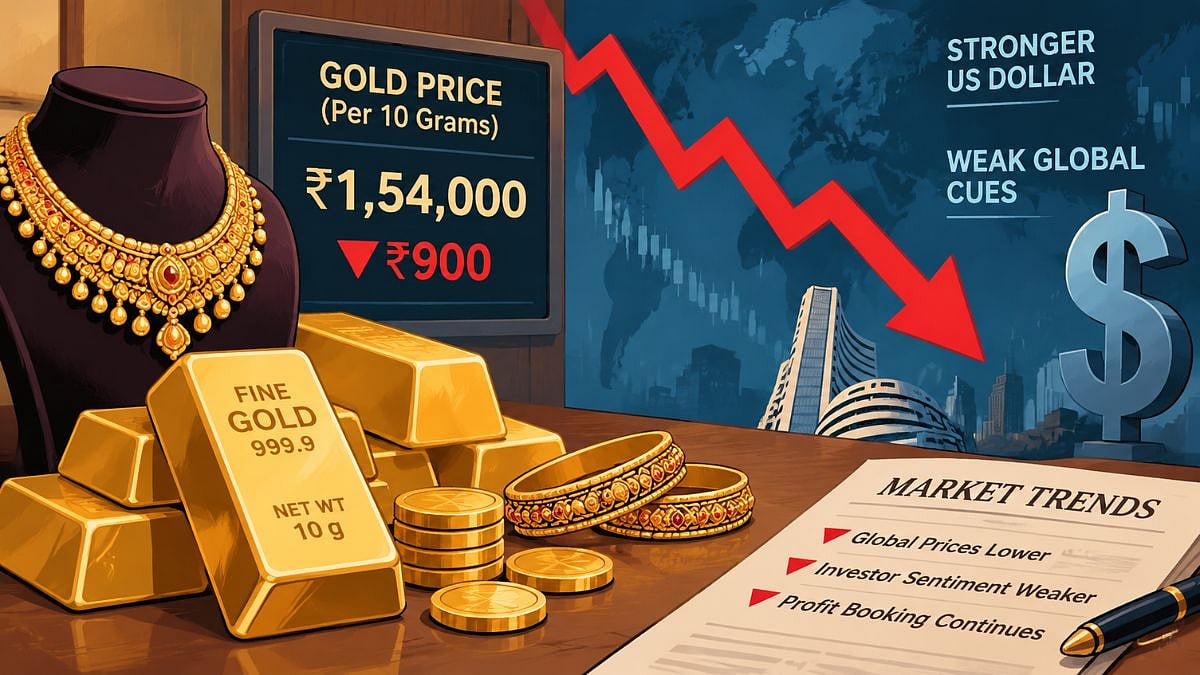
Gold Falls ₹900 as Strong Dollar Weighs on Bullion

Gold and Silver Futures Poised for Further Gains

Streaming Shows With Strong Retention Still Face Cancellation

Gold and Silver Prices Rise in Futures Trading