2 weeks ago
Trump promised sex-trafficking crackdown, but prosecutions drop to decade low

The United States government has a department called the Justice Department that catches people who break federal laws.
Its leaders promised that stopping sex trafficking — a crime where people are forced to do sexual things for money — was one of their biggest priorities.
But a news organization called Reuters looked at court records and found that fewer people than before are being charged with sex trafficking this year.
In fact, the number of charges is the lowest it has been since 2010.
Reuters talked to former prosecutors, agents, and people who help victims to find out why.
They learned that many experienced lawyers and agents who worked on these cases have left or were moved to work on immigration instead.
Some government grants that help pay for food, housing, and counseling for victims were delayed or taken away.
Fewer special visas, called T-visas, that protect victims who help police are being approved, and some victims were even detained.
Because victims no longer trust the government, their cases fall apart and they don't want to work with federal agents.
Experts say rebuilding this system could take years.

Federal sex-trafficking charges have fallen to their slowest pace since 2010, with 73 people charged through June — about 22% below the three-year average for the first half of the year.
Related prosecutions also declined: 1,230 people were charged with child pornography violations (3% below average) and 318 with Mann Act violations (18% below average).
Todd Blanche was confirmed as Attorney General in a 50-49 Senate vote despite bipartisan backlash over Epstein-related documents and Ghislaine Maxwell's transfer to a minimum-security prison.
Dozens of veteran sex-trafficking prosecutors have left the department, and during part of last year most Homeland Security Investigations agents were assigned to immigration work.
Victim-support grants have been delayed or frozen, and T-visa approvals ran at about half the typical pace, with more than 71,000 applications pending.
- Who
- The Trump administration and the Justice Department, now led by newly confirmed Attorney General Todd Blanche, along with federal prosecutors, agents, trafficking victims and advocacy groups.
- What
- Federal sex-trafficking charges fell to their slowest pace since 2010 despite administration promises that fighting trafficking is a top priority.
- Where
- Washington, D.C., and U.S. federal courts and U.S. Attorney's offices nationwide.
- When
- Reported Aug 13; federal court data covers charges filed through June of the current year.
- Why
- Staffing shortages, budget cuts, the reassignment of agents to immigration enforcement, frozen victim-support grants, and victims' growing distrust of the government have hobbled investigations and prosecutions.
Critics: The promise lacks resources
Administration: Trafficking remains a priority
Priority claimed vs. delivered
Critics: The promise lacks resources
Former prosecutors, agents and advocates say the administration declared sex trafficking a priority but cut staffing, funding and grants, causing prosecutions to stall.
Administration: Trafficking remains a priority
Officials say combatting human trafficking 'remains a Department priority,' attribute the drop partly to work on large ongoing cases, and say the department is actively hiring to fill roles.
Cause of the decline
Critics: The promise lacks resources
Sources point to agents reassigned to immigration enforcement, dozens of departing veteran prosecutors, and frozen grants as the main drivers of fewer cases.
Administration: Trafficking remains a priority
Alessandra Serano says lower numbers may reflect prosecutors litigating many large pending cases and calls attrition normal in demanding jobs; DHS says it remains committed to both immigration and sex-crimes enforcement.
Treatment of victims and witnesses
Critics: The promise lacks resources
Advocates say delayed grants, halted T-visa support in some offices, and detention of cooperating victims by ICE erode trust and force some survivors back into sex work.
Administration: Trafficking remains a priority
Serano says prosecutors and paralegals still verify victims' cooperation and DHS decides on visas; an FBI spokesperson said transfers didn't change agents' responsibility to investigate these crimes.
Key facts
- Sex-trafficking charges (through June)
- 73 people, slowest pace since 2010
- Decline vs. 3-year average
- About 22% fewer sex-trafficking charges in the first half of the year
- Child pornography charges
- 1,230, 3% below average
- Mann Act charges
- 318, 18% below average
- Attorney General
- Todd Blanche, confirmed 50-49
- Victim-services grants
- Roughly $90 million annually; some delayed or frozen
- T-visa approvals
- 354 in first six months, about half the typical pace
- Pending T-visa applications
- More than 71,000
Quotes
Martina Vandenburg
President of the Human Trafficking Legal Center
“You can’t say something is a priority and then not provide the resources to make that happen.”
 theprint.in
“The administration is throwing sand in the gears in 10,000 different ways.”
theprint.in
Sources
Related news

DOJ asks appeals court to restore smuggling charges against Abrego Garcia
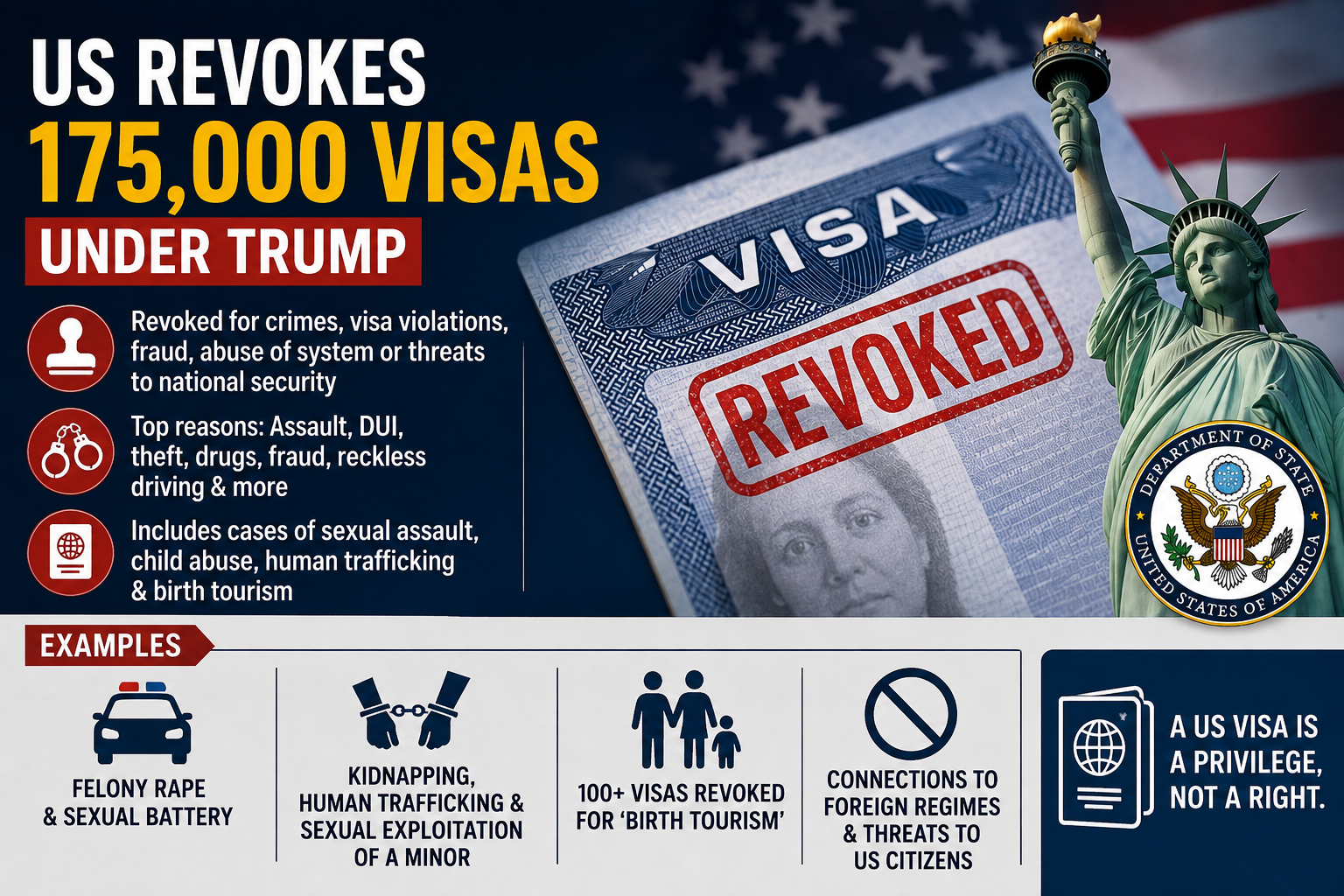
US revoked over 175,000 visas under Trump administration

US Launches Global Task Force Targeting 'Birth Tourism'
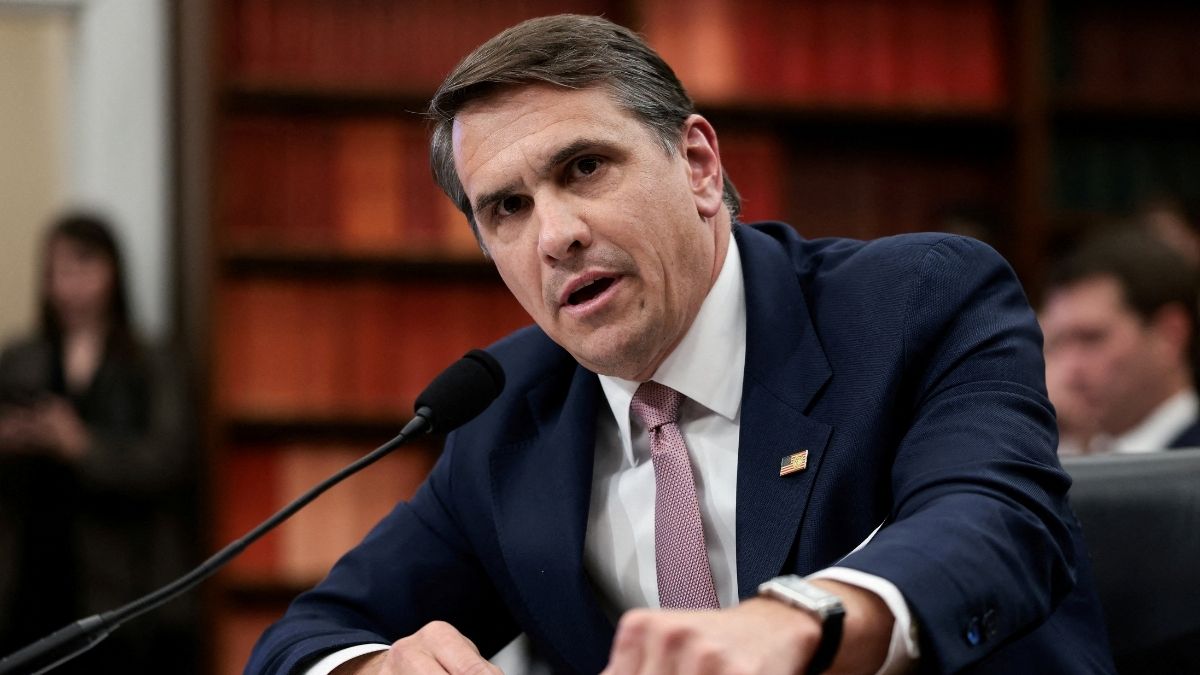
Senate Narrowly Confirms Trump's Lawyer Todd Blanche As Attorney General

US Pauses Worldwide Visa Appointments Amid Trump Immigration Crackdown
Trump touts drop in US violent crime ahead of midterms

H-1B Grace Period Could End After US Layoffs
US Considers Ending H-4 Spouse Work Permits, Indians Hit Hardest
Trump Administration Tightens Scrutiny of Foreign Student Internships

Trump Administration Tightens Scrutiny of International Student Internships
ICE Awards $16.7 Million Contract for Electric Shock Gloves