2 weeks ago
Delhi Police tells Supreme Court plainclothes cops were crowd control
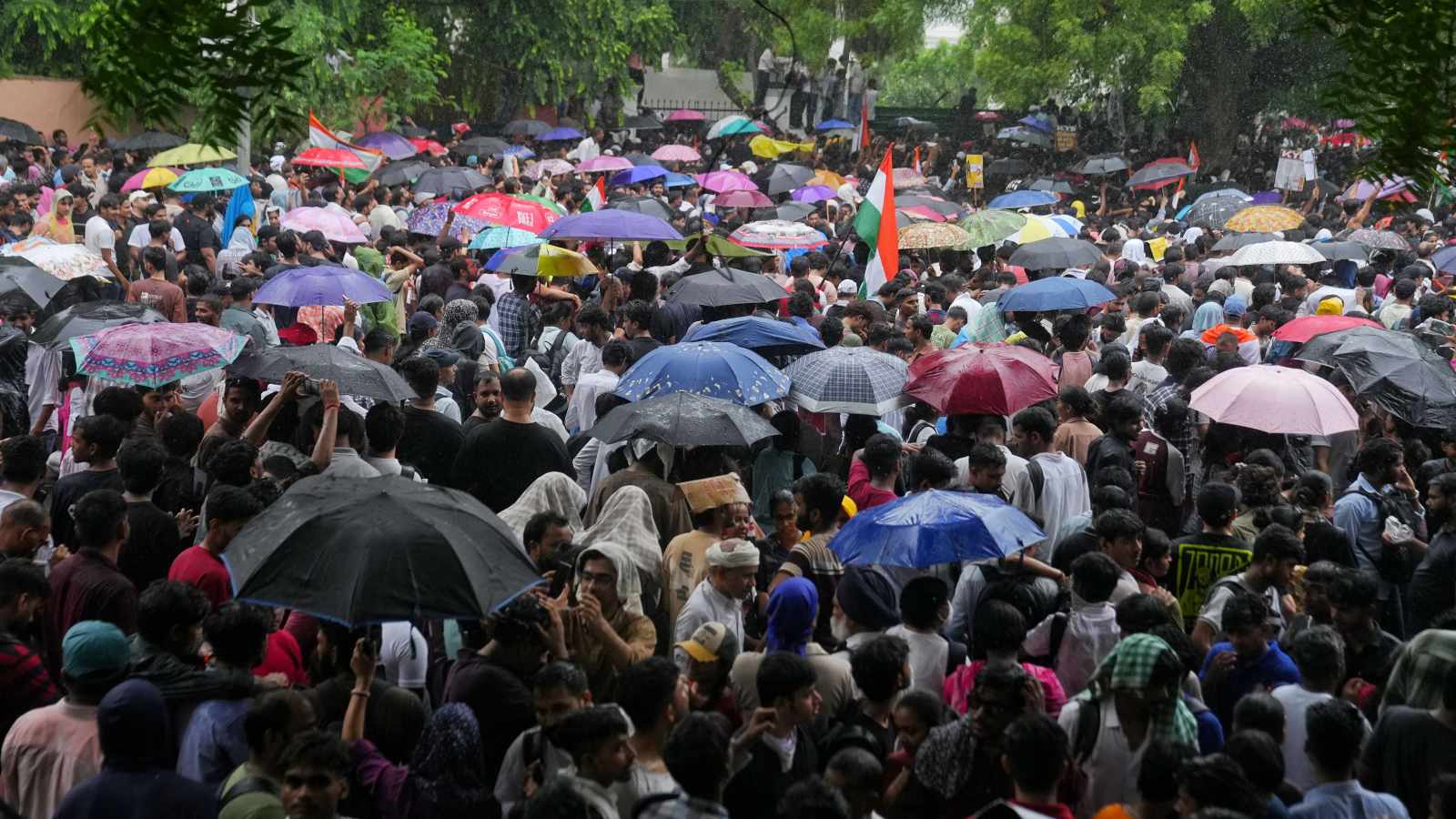
Some people in Delhi held a big protest march toward the Parliament building.
They wanted a former minister to step down from his job.
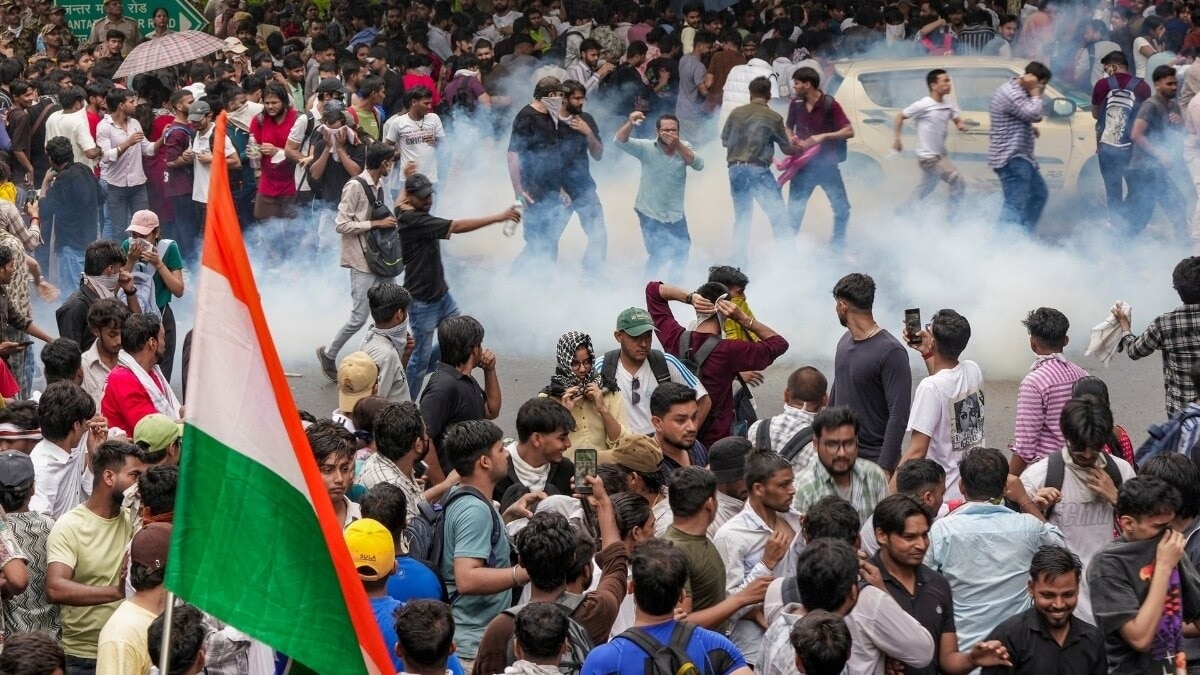
During the march, the police and the protestors had a big fight.
Hundreds of people on both sides got hurt.
Some videos showed police officers not wearing their uniforms.
People questioned why police were dressed like regular people.
The police went to the Supreme Court to explain what happened.
They said officers in plain clothes are called spotters and are there to watch for troublemakers and help anyone being bothered.
The police also said they only used force after the protestors started attacking them.
People still have different opinions about what really happened that day.

Delhi Police told the Supreme Court that plainclothes officers, called "spotters," were deployed at the July 20 CJP march to Parliament as a crowd-control measure.
The police denied using excessive force, saying force was used only after protestors turned violent and tried to breach barricades to advance toward Parliament.
The counter-affidavit said over 240 police officers and personnel were injured, while 218 protestors also suffered injuries during the clashes.
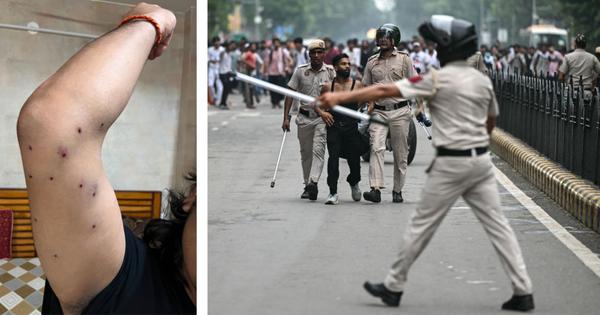
Police rejected claims of using lathis with nails and said facial recognition at the site was used only to profile those with criminal records.
More than 30,000 protestors gathered within roughly 3 km while only 5,000 police were on duty for the march demanding former Union Minister Dharmendra Pradhan's resignation.
- Who
- Delhi Police, the Supreme Court, protestors from the Cockroach Janta Party (CJP), and former Union Minister Dharmendra Pradhan
- What
- Delhi Police filed a counter-affidavit with the Supreme Court denying excessive force during the July 20 CJP march and defending the deployment of plainclothes officers as crowd control.
- Where
- Delhi, near Parliament and around Sansad Marg, including the office of the registrar of co-operative societies.
- When
- The march took place on July 20, and the police counter-affidavit was filed late Monday night.
- Why
- Protestors demanded former Union Minister Dharmendra Pradhan's resignation; police said violence erupted when a section of protestors turned aggressive and tried to breach barricades toward Parliament.
Critics and protestors
Delhi Police
Use of force
Critics and protestors
Critics allege police used excessive force, including reportedly lathis with nails, leading to injuries among protestors.
Delhi Police
Police say force was used only after protestors attacked officers, snatched their sticks, and tried to breach barricades, injuring over 240 personnel.
Plainclothes officers
Critics and protestors
Videos showing officers in plain clothes raised concerns about their presence at the protest.
Delhi Police
Police say plainclothes "spotters" are a standard, globally followed crowd-control arrangement to watch for criminals and assist anyone being harassed.
Facial recognition
Critics and protestors
The use of facial recognition technology at the protest site raised concerns about monitoring protestors.
Delhi Police
Police say facial recognition was used only to profile those with a criminal record, not every individual.
Key facts
- Protest group
- Cockroach Janta Party (CJP)
- Demand
- Resignation of former Union Minister Dharmendra Pradhan
- March date
- July 20
- Police injured
- Over 240 officers and personnel
- Protestors injured
- 218
- Crowd size
- More than 30,000 protestors within about 3 km
- Police on duty
- 5,000 officers
- Main location
- Sansad Marg, Delhi, near Parliament
Quotes
Delhi Police spokesperson
Official representative of Delhi Police
“"The deployment of police staff in plain clothes in the big rallies and demonstrations, Republic Day gathering, Independence Day gathering or any big congregation is a part of normal arrangement"”
 indianexpress.com
“"They started attacking the police and other security forces stationed at the barricades"”
indianexpress.com
Sources
Related news

Delhi Police defends CJP protest force, denies nail-fitted lathis

Delhi Police Deny Excessive Force During CJP's NEET Protest March
Delhi Police denies excesses in July 20 protest clashes

Former UP DGP: 'AK-47 show was unacceptable,' defends police handling

Fresh Delhi Police Guidelines Urge Calm During Protests
Ten persons injured by pellets during Delhi Parliament march: RTI

Supreme Court Questions IPS Deputation for CAPF Leadership Positions

Supreme Court Quashes 20-Year Conviction, Reaffirms Juvenile Legal Protections

Two Years After RG Kar Doctor's Rape-Murder, Case Remains Unresolved

ED widens Chhattisgarh probes with two arrests and searches
Delhi High Court Orders Madhya Pradesh to Pay Advocate Dues