1 week ago
Germany Plans Anti-Sabotage Shield After Airport Drone Attack

Germany wants to make it harder for drones and hackers to harm important places.
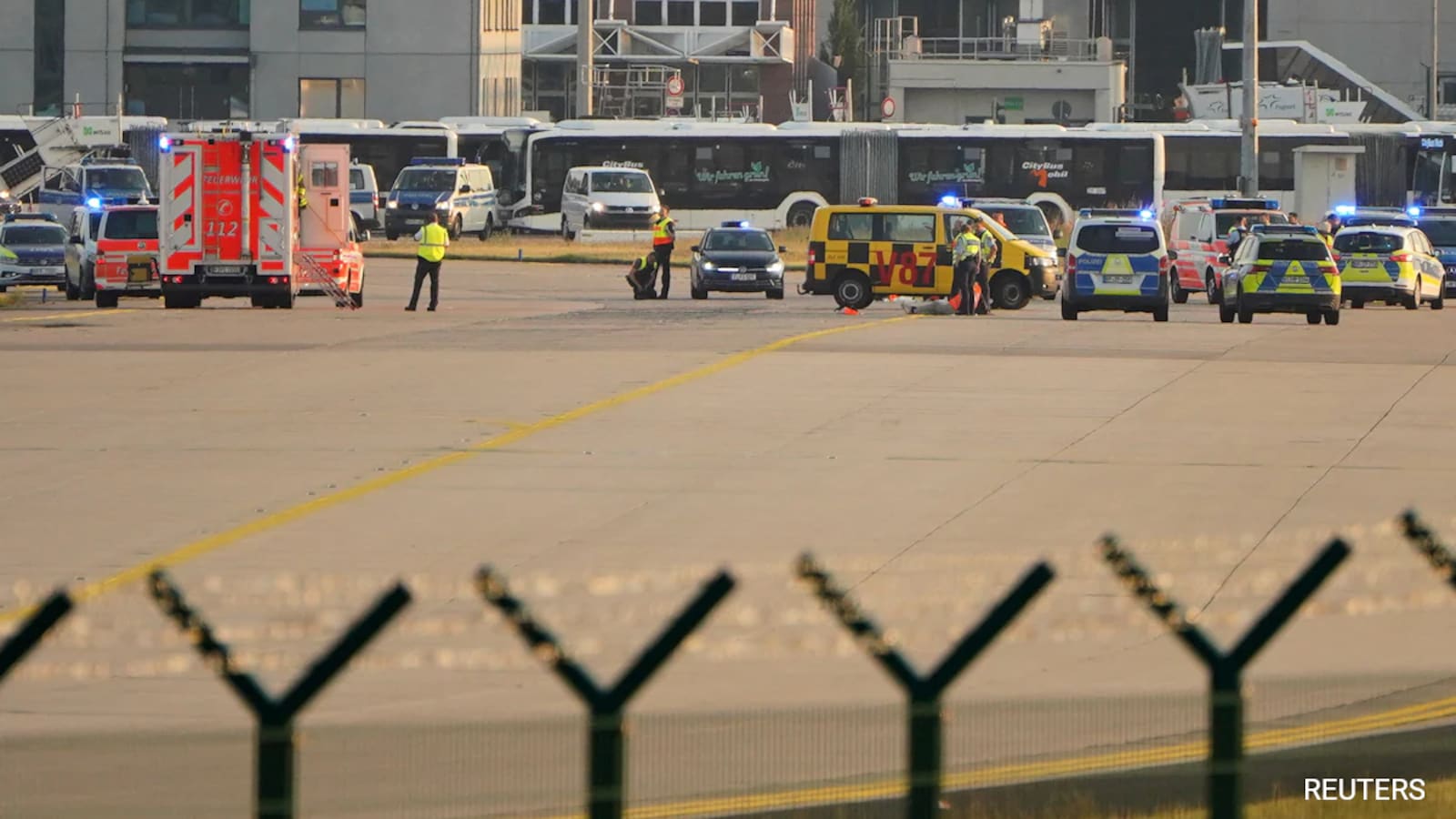
The plan follows a failed drone attack at an airport the previous month.
Police could create mobile teams that quickly respond to dangerous drones.
These teams could protect airports, transport hubs and government areas.
Companies running important services could also be allowed to stop drones.
Germany may build a national system called a “cyberdome” to find and block hacking attempts.
The government also wants to use more artificial intelligence, facial recognition and cameras at places such as railway stations.
Germany says Russian hybrid attacks are becoming part of everyday life, but Russia denies involvement and rejects the accusations.

Germany is planning measures against drone attacks, cyber intrusions and alleged Russian sabotage after a failed airport drone attack last month.
Police mobile counter-drone units could be stationed in cities near critical transport hubs and government districts.
Operators of critical infrastructure could receive legal authority to actively fend off drones, not just detect them.
A national “cyberdome” would use digital sensors to detect and intercept attempted hacking attacks.
Germany also plans expanded use of AI, biometric facial recognition and video surveillance to identify suspected saboteurs.
- Who
- The German government, police, critical-infrastructure companies and Interior Minister Alexander Dobrindt; Russia and Foreign Minister Sergei Lavrov rejected the allegations.
- What
- Germany is planning a broad package covering counter-drone measures, cyberdefence and surveillance technologies.
- Where
- Germany, including airports, transport hubs, government districts, railway stations and other critical infrastructure.
- When
- The plans were reported on September 6, after a failed airport drone attack the previous month.
- Why
- The measures are intended to protect against drone attacks, hacking and alleged Russian sabotage.
Germany’s Position
Russia’s Position
Responsibility for attacks
Germany’s Position
Interior Minister Alexander Dobrindt said Russian hybrid attacks had become part of daily reality and argued that Germany must strengthen its defences.
Russia’s Position
Russia has rejected allegations that it conducts operations in Western Europe and has denied involvement in the German airport attack.
Response to Germany’s measures
Germany’s Position
Germany says it can defend and protect itself through stronger counter-drone, cyberdefence and surveillance capabilities.
Russia’s Position
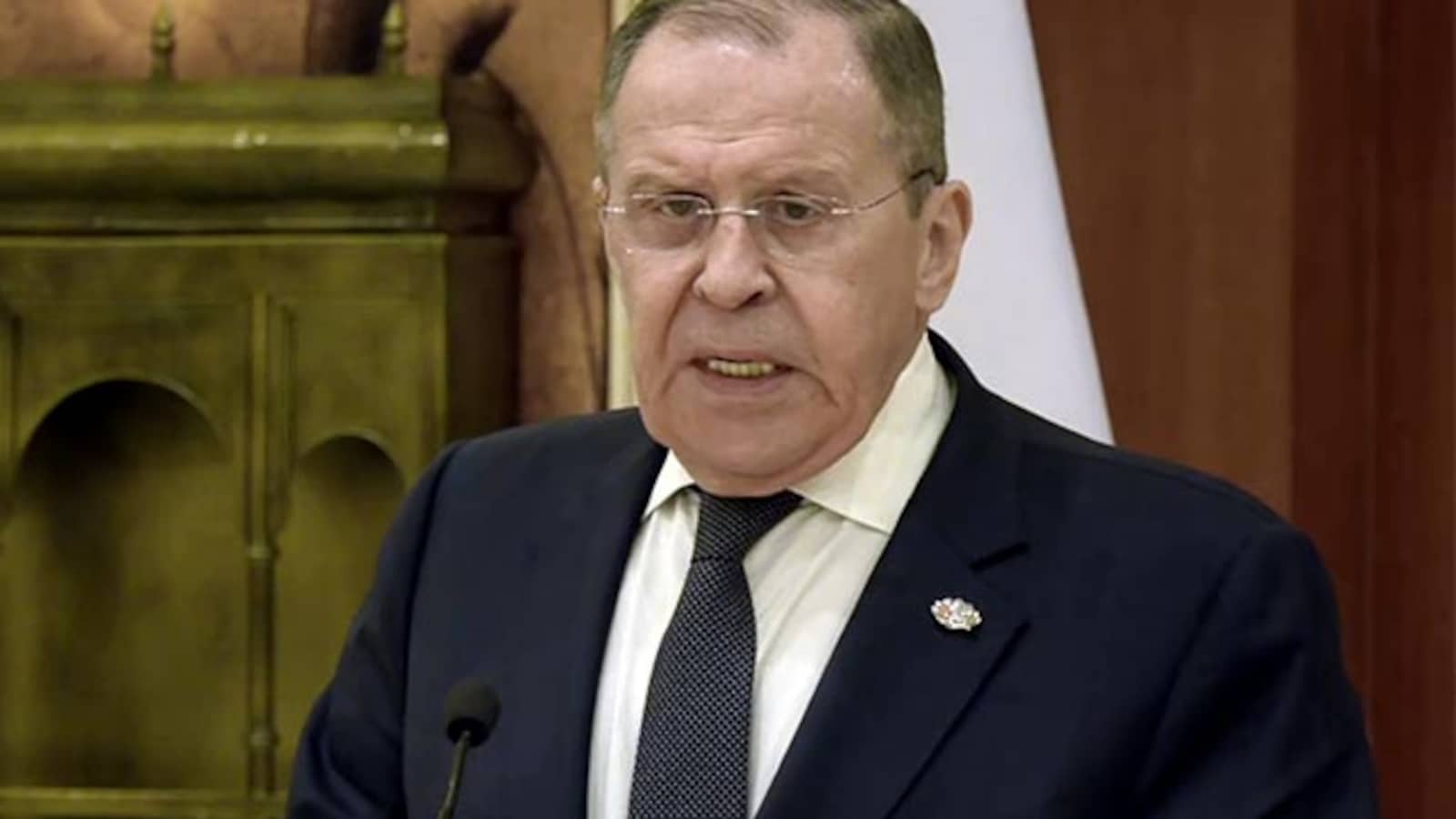
Russia said it would respond to what its foreign ministry spokesperson called “anti-Russian action”; Sergei Lavrov described the accusations as “the start of a real war,” according to TASS.
Key facts
- Reported by
- Bild am Sonntag, with Reuters reporting the plans and citing the German interior ministry
- Reported date
- September 6
- Trigger
- A failed airport drone attack the previous month
- Counter-drone plan
- Rapidly deployable police units could be stationed in cities near critical transport hubs and government districts
- Critical infrastructure
- Power utilities and defence manufacturers could be authorized to actively fend off drones
- Cyberdefence
- A national “cyberdome” would use digital sensors to detect and intercept hacking attempts
- Surveillance
- The plan includes AI-supported technology, biometric facial recognition and video surveillance
Quotes

Alexander Dobrindt
German interior minister
“These attacks will increase, but we can defend and protect ourselves”
 theprint.in
theprint.in
theprint.in
“the start of a real war”
theprint.in
Sources
Related news
Germany Blames Russia for Explosive Drone Attack Attempt
EU Backs Germany, Signals Russia Sanctions After Leipzig Drone Attack
Germany Probes Suspected Arson Near Defence Firm Amid Sabotage Concerns
Germany Accuses Russia in Leipzig Drone Attack, Orders Retaliation
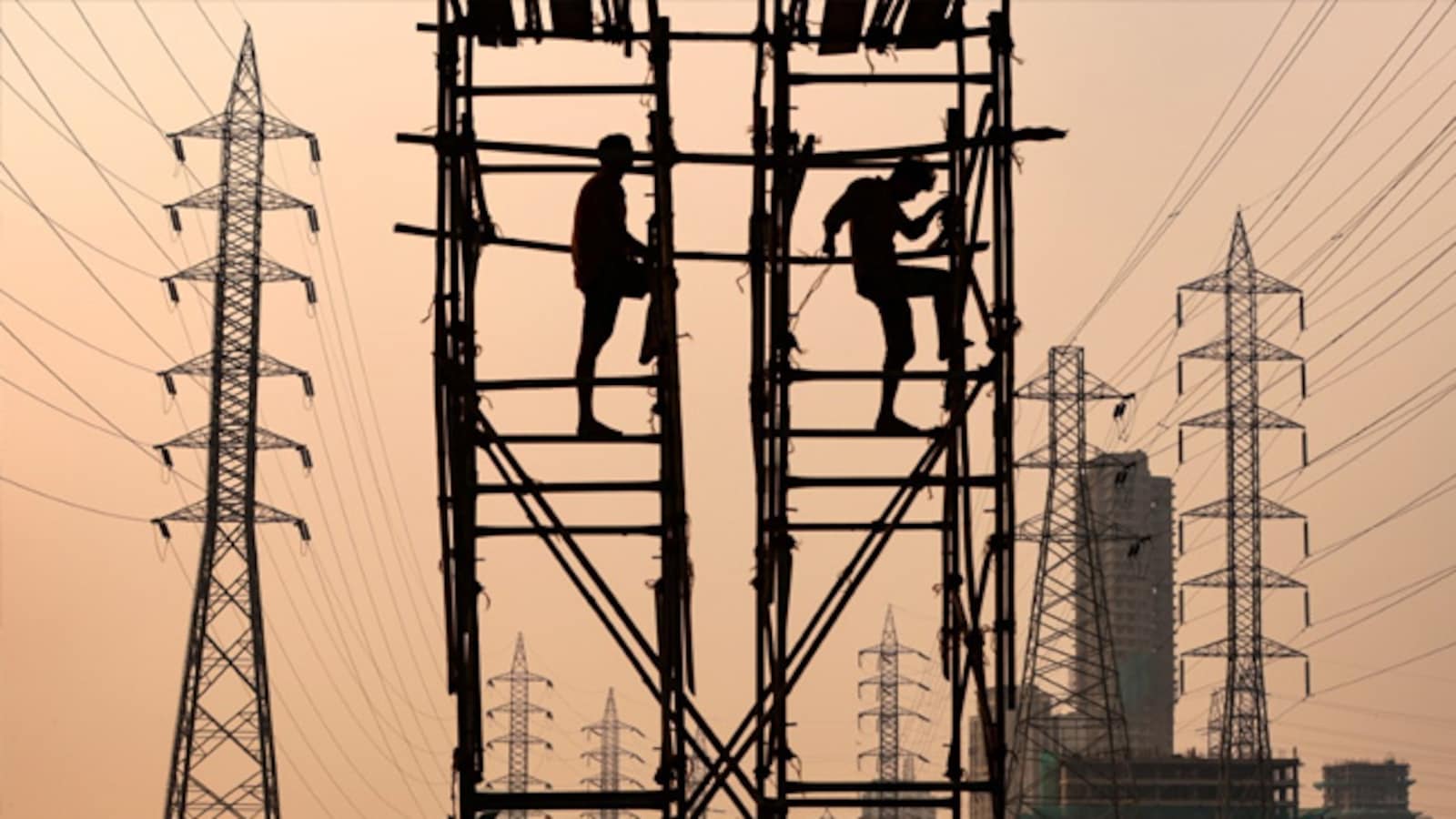
Germany Investigates Two Power Grid Sabotage Attacks Amid Russia Fears
Leipzig Drone Incident Triggers German Measures and EU Pressure
Modi and Putin’s New Delhi Car Diplomacy Draws Attention

Modi, Putin Discuss Trade and Conflicts Ahead of BRICS Summit
Russia and China Seek RIC Revival as India Hesitates
Lavrov Says Russia-Ukraine War Must End Without Nazism