1 hr ago
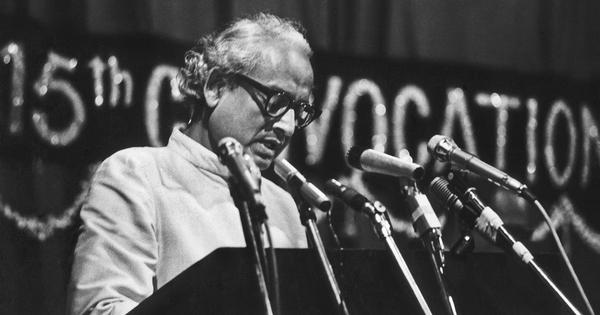
How Jagat Murari and FTII Helped Shape Indian Cinema
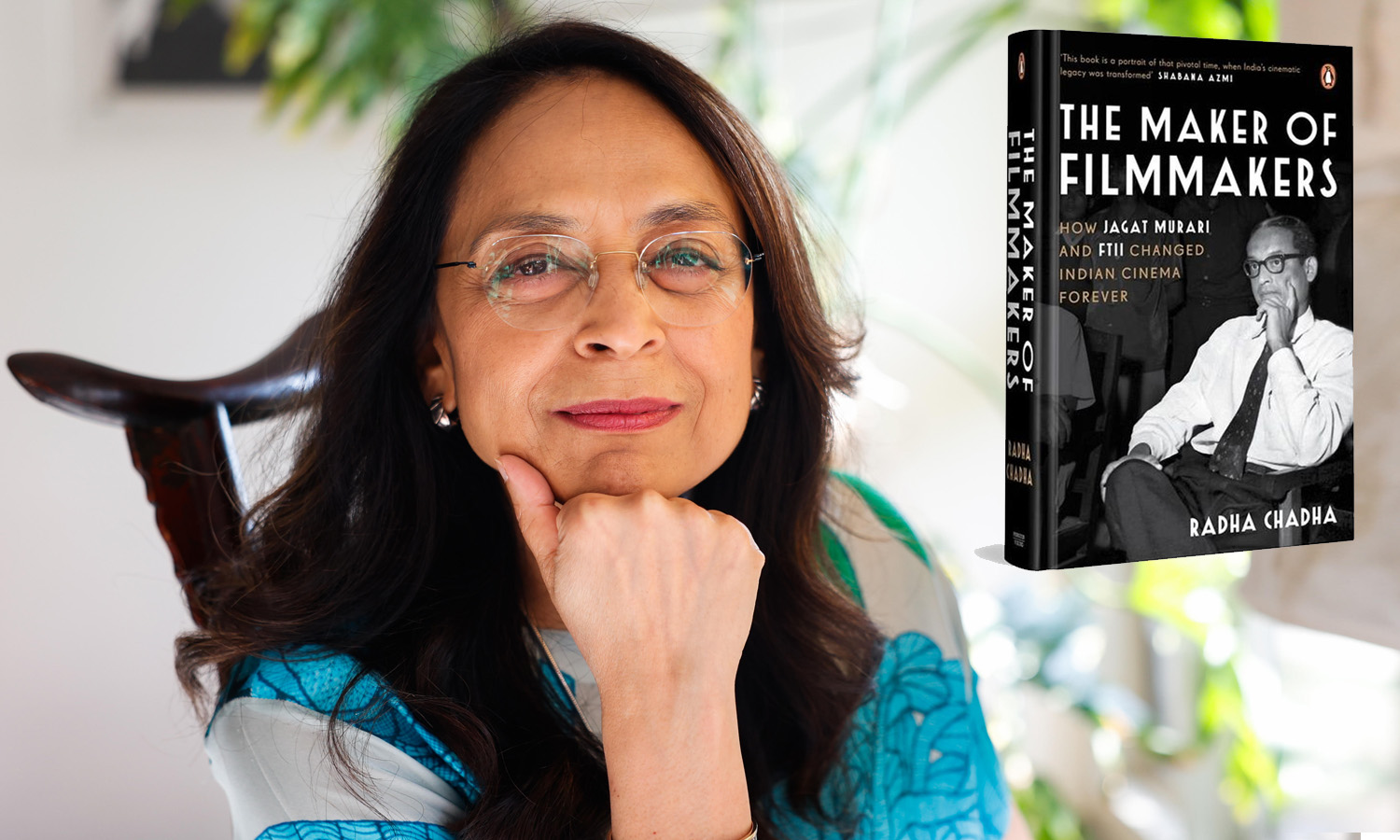
Jagat Murari helped build a film school in Pune called FTII.
It opened in 1961 and taught people how to make films.
Murari wanted students to think for themselves and learn from films made in India and around the world.
Students made their own experimental films before graduating.
The article says this helped inspire a new kind of Indian cinema in the late 1960s.
These films often used smaller budgets, new actors and more realistic stories.
Murari also helped preserve old Indian films in a national archive.
Many filmmakers and film workers trained at FTII, and its influence spread to other film schools.

Jagat Murari helped establish and build the Film and Television Institute of India (FTII), which began in 1961.
His daughter, Radha Chadha, says he encouraged original thinking, debate and exposure to Indian and international films.
FTII students made experimental diploma films, and the article describes the Indian New Wave as emerging in the late 1960s.
The New Wave moved away from big-budget spectacle toward smaller productions, new actors, realistic performances and location shooting.
Murari also helped establish the National Film Archive of India and contributed to film festivals and the National Awards.
- Who
- Jagat Murari, founder and builder of the Film and Television Institute of India, as described by his daughter and biographer Radha Chadha.
- What
- Murari helped develop FTII and other film institutions, and the article links the school's training and outlook to the Indian New Wave.
- Where
- The Film and Television Institute of India is in Pune, India.
- When
- FTII began in 1961; the Indian New Wave began in the late 1960s and grew through the 1970s and 1980s.
- Why
- Murari sought to create an environment where filmmakers could develop original voices and learn from Indian and world cinema.
Key facts
- Institution
- Film and Television Institute of India (FTII)
- Location
- Pune, India
- FTII began
- 1961
- New Wave period
- Began in the late 1960s and grew in the 1970s and 1980s
- Biography
- The Maker of Filmmakers, by Radha Chadha
- Other institution
- National Film Archive of India
- New Wave features described
- Smaller budgets, new actors, realistic performances and location shooting
Sources
Related news
Anant Nag Honored With 2024 Dadasaheb Phalke Award
M F Husain’s Journey From Independence to Exile and Art
Deepak Kumar Mishra’s Journey From TVF Spoofs to Vvaan
Raja Ravi Varma Studio Gives New Artists Space
Anant Nag’s Journey From Military Rejection To Cinema’s Highest Honour
Anuparna Roy Returns to Venice With Second Feature Film
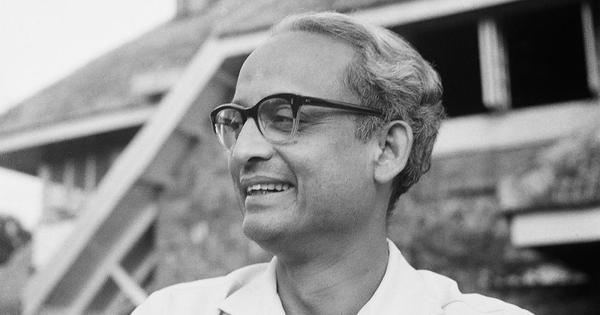
Jagat Murari: The Architect of Indian Cinema