

10 hrs ago
M F Husain’s Journey From Independence to Exile and Art
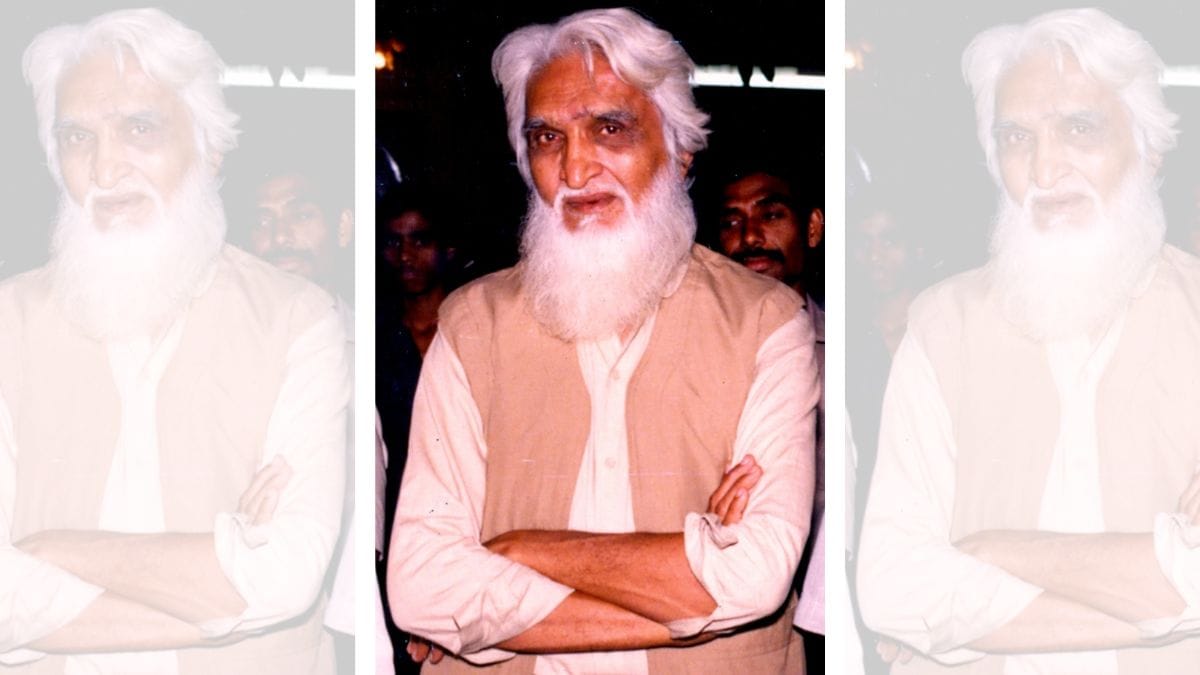
M F Husain was an Indian artist who wanted to become free as an artist when India became independent in 1947.
He first earned money by painting large cinema advertisements and making furniture and toys.
Later, he joined a group of artists who wanted Indian art to have its own roots.
He painted many subjects, including stories from Indian epics, Gandhi, Mother Teresa, women and horses.
He also made films, and one of them won a major prize in Berlin.
In the 1990s, some people protested against his paintings and filed cases over works they considered offensive.
His art was also damaged, and he received threats.
Husain left India in 2006 but said he still dreamed of returning.
He accepted Qatari citizenship in 2010 and died in London in 2011.

M F Husain said India’s 1947 Independence celebrations inspired him to pursue freedom through art.
He supported himself by painting cinema hoardings and designing furniture and wooden toys before joining the Progressive Artists’ Group.
Husain became known for paintings of Indian epics, Gandhi, Mother Teresa, women, cities, politics and horses.
His films included the award-winning Through the Eyes of a Painter and Gaja Gamini, starring Madhuri Dixit.
Protests, threats and legal complaints over some works led Husain to leave India in 2006; he died in London in 2011 without returning.
- Who
- Maqbool Fida Husain, an Indian artist and filmmaker, along with the Progressive Artists’ Group and people who protested some of his works.
- What
- Husain’s artistic rise, film career, controversies, departure from India and unfulfilled wish to return.
- Where
- He worked in Bombay, later known as Mumbai, and lived mainly in Dubai and London after leaving India; his first film was shot in Rajasthan.
- When
- His career developed from the 1930s; he was inspired by Independence in 1947, left India in 2006, accepted Qatari citizenship in 2010 and died in 2011.
- Why
- He pursued art after being inspired by Independence, while protests, threats, vandalism and legal complaints over some works contributed to his departure from India.
Artistic freedom and protection
Religious offense and public accountability
Controversial paintings
Artistic freedom and protection
Supporters viewed Husain’s work as part of his artistic exploration of Indian traditions and imagery; the Delhi High Court quashed proceedings over Bharat Mata and noted that Husain had not given the work that title.
Religious offense and public accountability
Protesters objected to nude representations of Hindu deities and to a work circulated under the title Bharat Mata, leading to complaints, protests and threats.
Husain’s absence from India
Artistic freedom and protection
Husain and his family described him as having been rendered homeless and said he missed India; he maintained that he dreamed of returning and had never said he would not go back.
Religious offense and public accountability
Organisers of the 2009 India Art Summit excluded his work, saying they could not take the security risk, reflecting concerns about protests and possible threats surrounding his art.
Key facts
- Birth
- 17 September 1915, according to most institutional biographies
- Independence inspiration
- Husain said the 15 August 1947 celebrations inspired him to enter the art world
- Early livelihood
- He painted cinema hoardings and designed furniture and wooden toys
- Artistic group
- He joined the Progressive Artists’ Group alongside F N Souza and S H Raza
- Film achievement
- Through the Eyes of a Painter won the Golden Bear for Best Short Film at the Berlin International Film Festival
- Departure from India
- Husain left India in 2006
- Death
- He died in London in 2011
Quotes
Owais, Husain’s son
Husain’s son commenting on his father’s displacement
“The whole celebration triggered my imagination. I decided I should also become free and I should enter the art world.”
 theprint.in
“My father has been a nomad all his life. But he has been rendered homeless in recent years.”
theprint.in
Sources
Related news
How Baroda’s Art School Took Indian Modernism Global
Udayraj Gadnis Turns 60 With Mysticism, Art And London Exhibition

New Thapar Gallery Exhibition Explores India’s Many Modernisms
Indu Mitha Carried Bharatanatyam Across Partition and Pakistan

JJ School of Art Legacy Celebrated Through Nationalist Exhibition

Over 70 Artists Showcase Diverse Works At Bhopal Exhibition
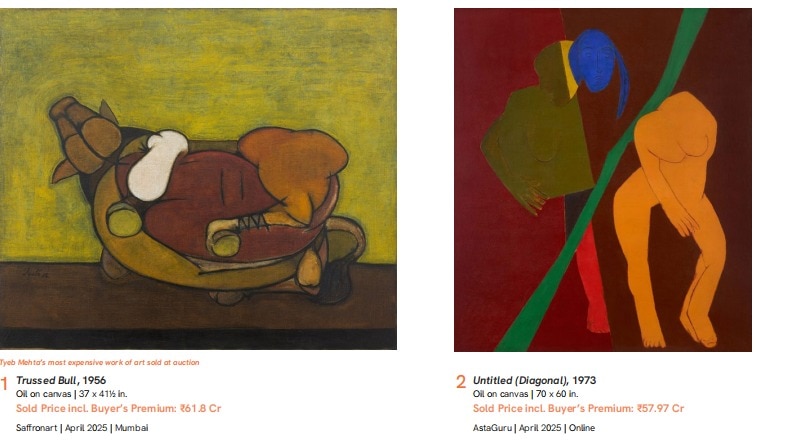
India’s art market expands from entry-level lots to masterpieces

MNS Seeks Fever Profile Testing At Nerul, Karave Centres
Paropakar 2026 Art Sale in Jubilee Hills to Fund Education
