1 day ago
Centre Weighs ATF Fund Revival as Airlines Face Fare Pressure

Jet fuel is getting more expensive, which makes it harder for airlines to pay their bills.
The Indian government is discussing whether to bring back a fund that was meant to help manage big changes in fuel prices.
That earlier fund did not get used because no domestic airline signed the required agreement with oil companies in time.
IndiGo has added fuel charges to new flight bookings.
The Federation of Indian Airlines has asked the government to change how fuel prices and some taxes and airport charges are handled.
It says airlines might stop flying routes that lose too much money if they do not get help.
Separately, the aviation minister said India wants to increase the value of aerospace equipment and components made in the country to USD 10 billion by the end of 2030.

The Centre is considering reviving or reworking its ₹10,000-crore ATF Price Stabilisation Fund after consulting airlines and oil marketing companies.
The fund, approved as one-time support in June, lapsed after no domestic airline signed the required memorandum of understanding within the prescribed timeframe.
IndiGo announced fuel charges for new bookings from October 6: ₹375–₹1,300 on domestic routes and ₹1,000–₹10,000 on international routes, citing an ATF price increase of over 14 per cent month-on-month.
The Federation of Indian Airlines says fuel now makes up around 55–60 per cent of airline operating costs, up from 30–40 per cent historically, and has sought changes to ATF pricing, taxes and airport charges.
The federation warned that airlines could withdraw from financially unsustainable routes without timely relief; the articles also report government plans to raise domestic aerospace manufacturing from about USD 4 billion to USD 10 billion by the end of 2030.
- Who
- The Centre, Civil Aviation Minister K Ram Mohan Naidu, airlines including IndiGo, oil marketing companies, and the Federation of Indian Airlines.
- What
- The government is considering reviving or reworking an ATF price stabilisation scheme as rising fuel costs prompt airline surcharges and industry calls for relief.
- Where
- India; Naidu spoke in New Delhi.
- When
- Naidu spoke on Tuesday; the article was published October 6, 2026. IndiGo's revised fuel charges apply to new bookings from October 6.
- Why
- Rising ATF prices amid the West Asia situation are increasing airline costs and putting pressure on fares and airline finances.
Government approach
Airline industry demands
How to address fuel-cost pressure
Government approach
The government says it is discussing the issue with airlines and oil marketing companies and considering whether to revive or rework the stabilisation framework.
Airline industry demands
The Federation of Indian Airlines seeks cost-plus pricing for domestic ATF, a fixed-rate excise levy, VAT relief, and continued reductions in landing and parking charges.
Consequences of insufficient relief
Government approach
The minister described discussions aimed at finding a middle ground; the articles do not specify a government position on route withdrawals.
Airline industry demands
The federation warns that airlines could withdraw from financially unsustainable routes if timely relief is unavailable.
Key facts
- Fund amount
- The one-time ATF Price Stabilisation Fund was capped at ₹10,000 crore.
- Previous scheme status
- It lapsed after no domestic airline signed the mandatory MoU with State-owned oil marketing companies within the prescribed timeframe.
- IndiGo domestic fuel charges
- ₹375 to ₹1,300 for new bookings on domestic routes from October 6.
- IndiGo international fuel charges
- ₹1,000 to ₹10,000 for new bookings on international routes from October 6.
- ATF price rise cited
- IndiGo cited a month-on-month increase of more than 14 per cent.
- Fuel share of operating costs
- The Federation of Indian Airlines said fuel accounts for around 55–60 per cent of costs, compared with 30–40 per cent historically.
- FIA requests
- The federation sought cost-plus domestic ATF pricing, a fixed-rate excise levy, VAT relief, and an extension of reduced landing and parking charges.
- Aerospace manufacturing target
- Naidu said India aims to raise domestic aerospace equipment and component manufacturing from about USD 4 billion to USD 10 billion by the end of 2030.
Quotes
K Rammohan Naidu
India’s civil aviation minister
“One of the most important things is how the West Asia crisis is putting a big burden on ATF prices. We are in discussions with airlines and OMCs (Oil Marketing Companies),”
 livemint.com
Sources
Related news
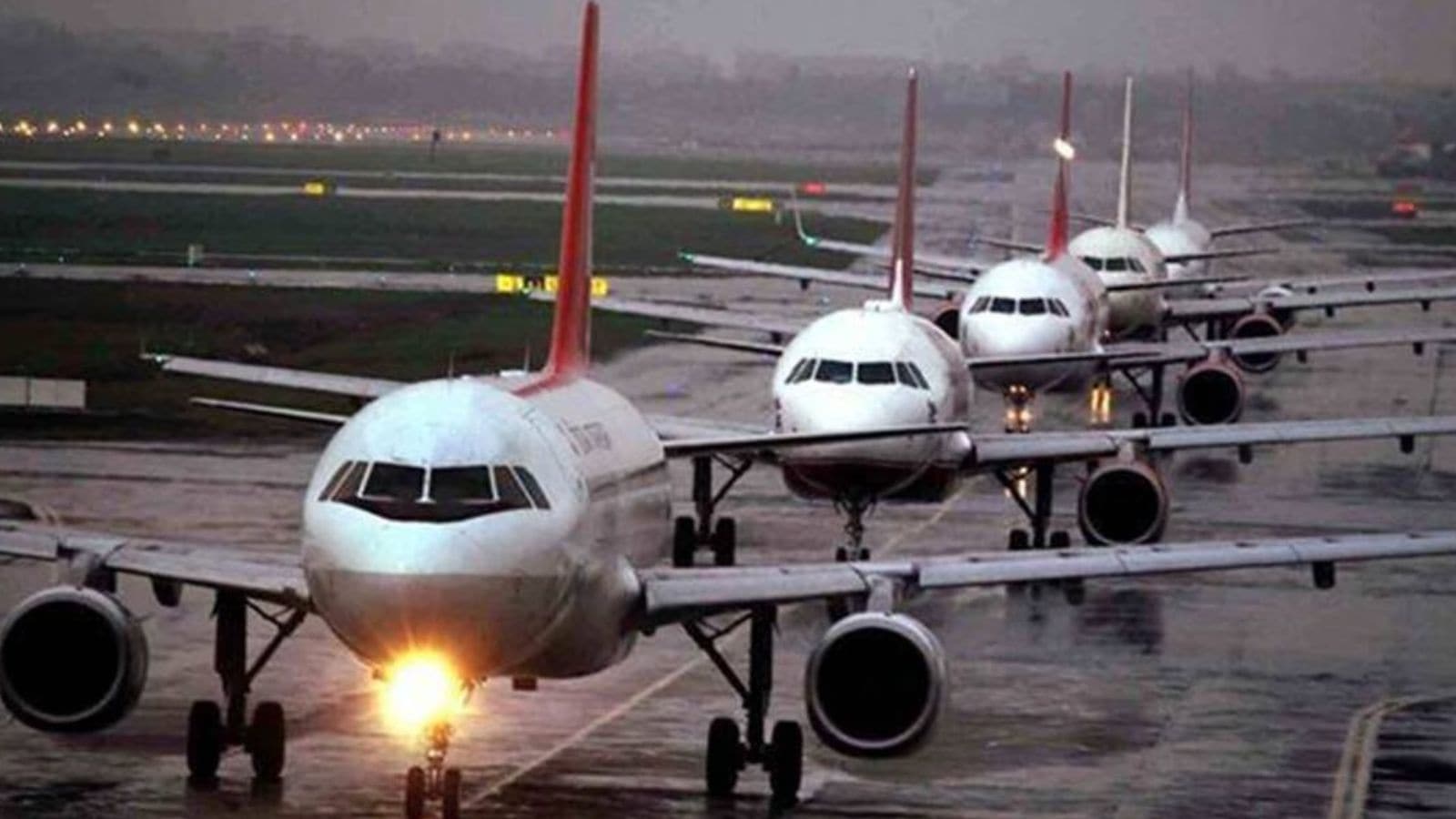
Centre May Revive Jet Fuel Price Stabilisation Scheme

Indian Airlines Seek Relief as West Asia Conflict Raises ATF Costs
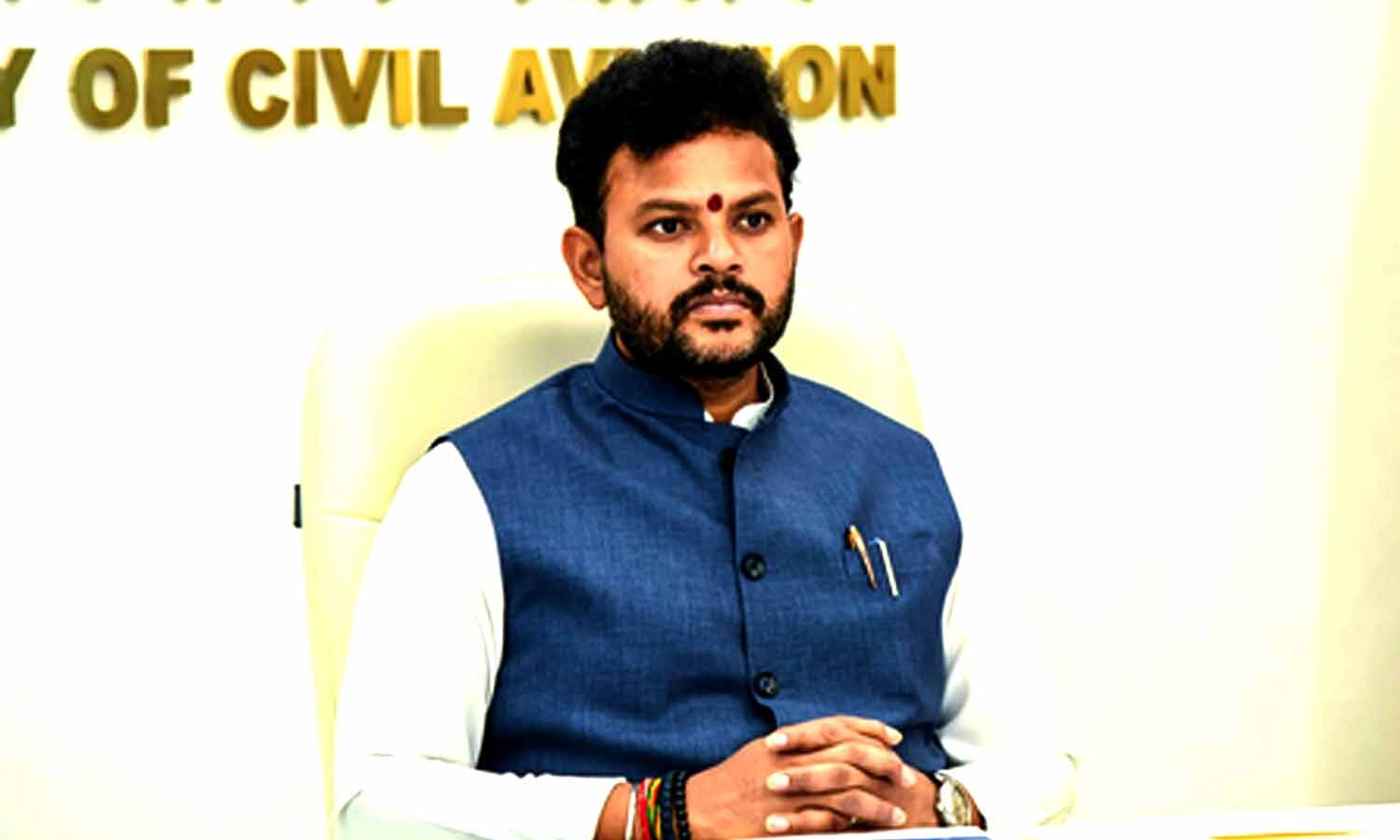
Government Discusses Rising Jet Fuel Costs With Airlines and Oil Firms
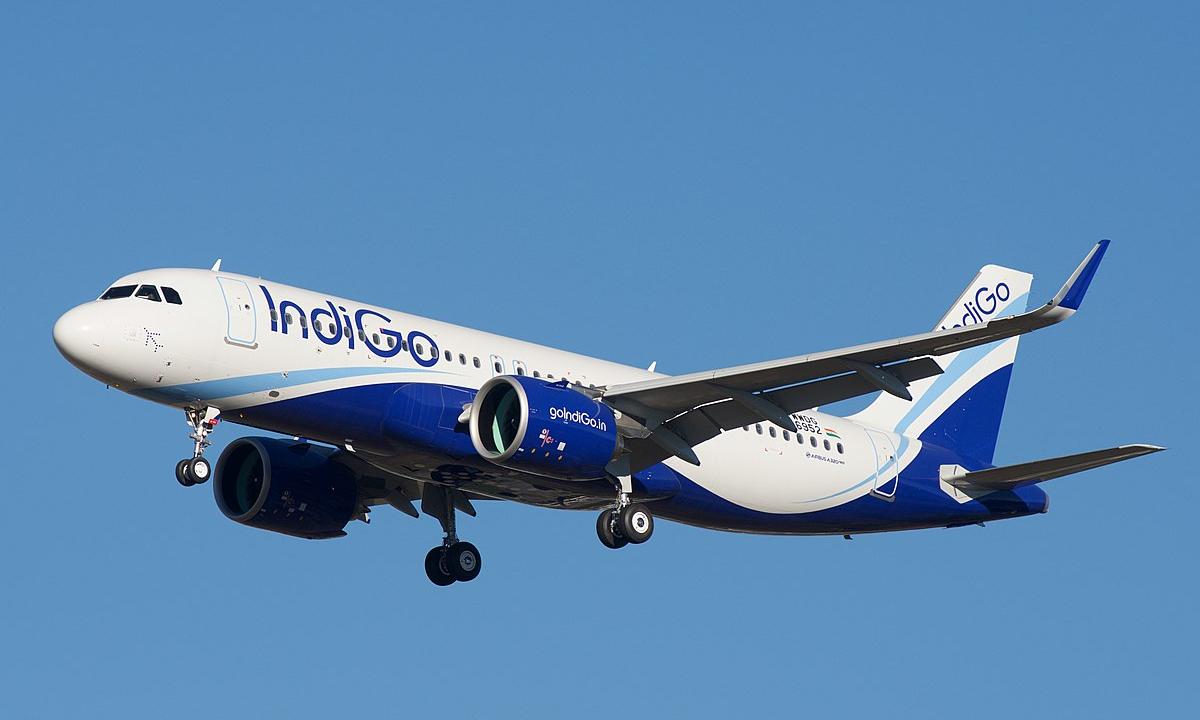
IndiGo Raises Fuel Charges as ATF Prices Surge

Centre Rules Out Festive Airfare Cap, Seeks Reasonable Prices
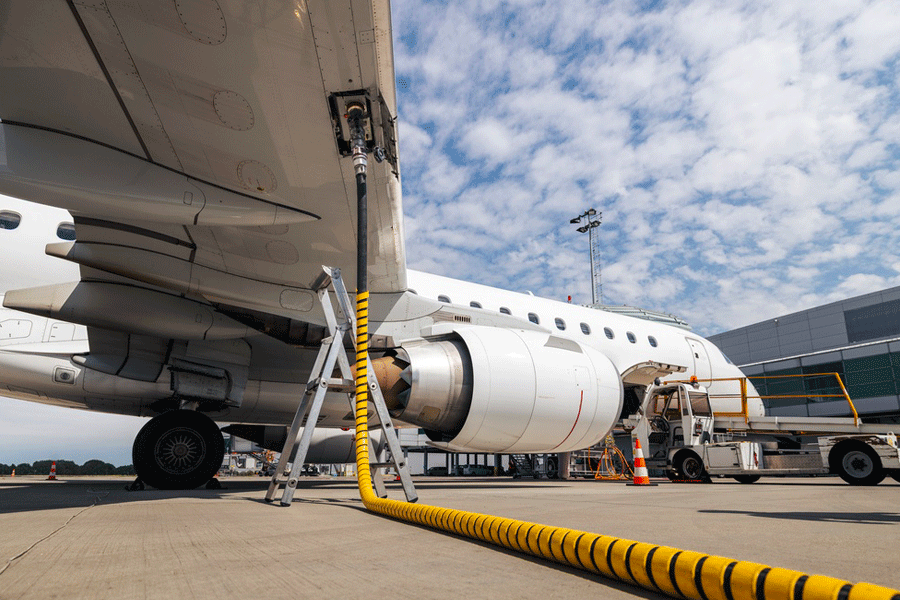
Aviation Fuel, Commercial LPG Prices Rise on Global Benchmarks
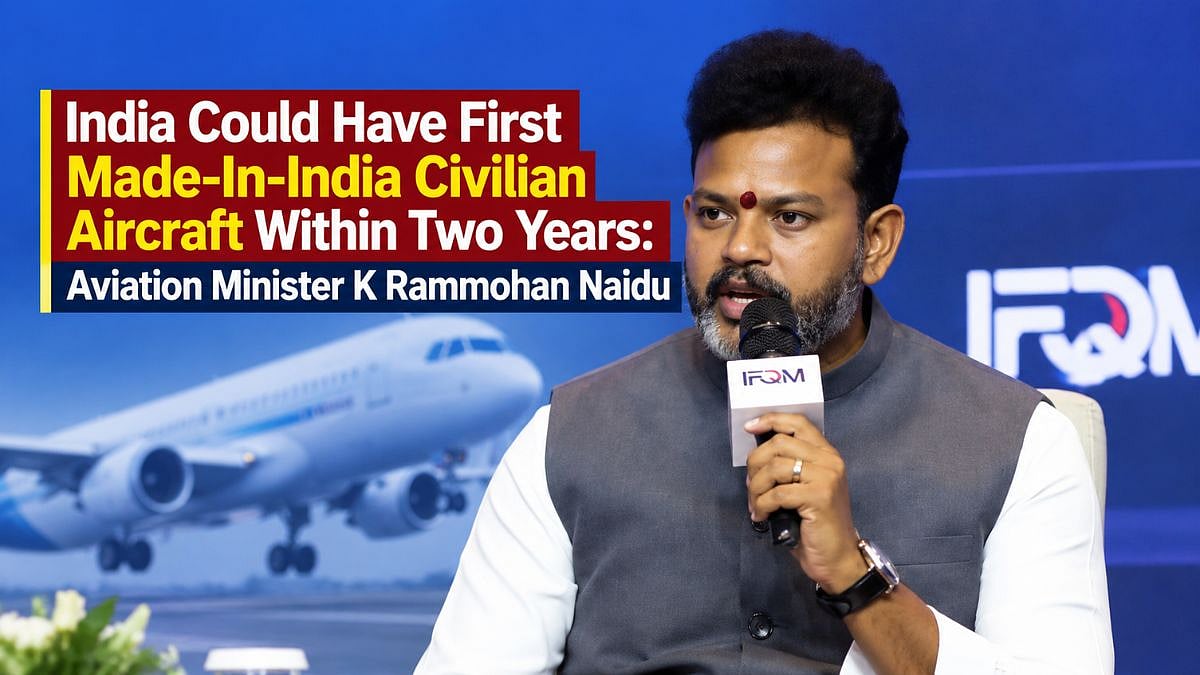
India Eyes First Indigenous Civilian Aircraft Within Two Years
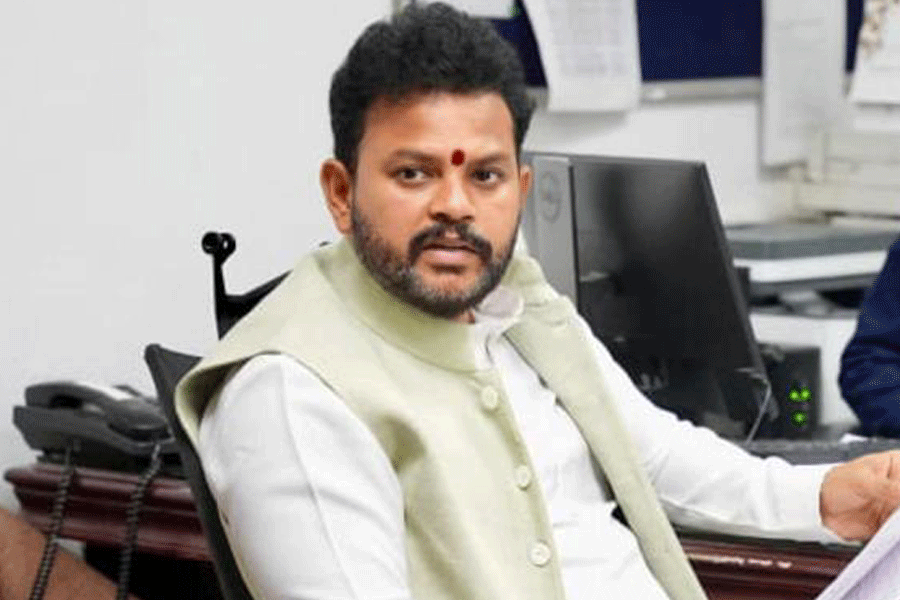
India Targets Indigenous Civilian Aircraft Within Two Years
Pentagon Selects Four Laser and Microwave Drone-Defense Systems
Boeing 737 Max Survives Flydubai’s Rapid Descent