1 hr ago
India Urged to Reform Medical Device Pricing Rules
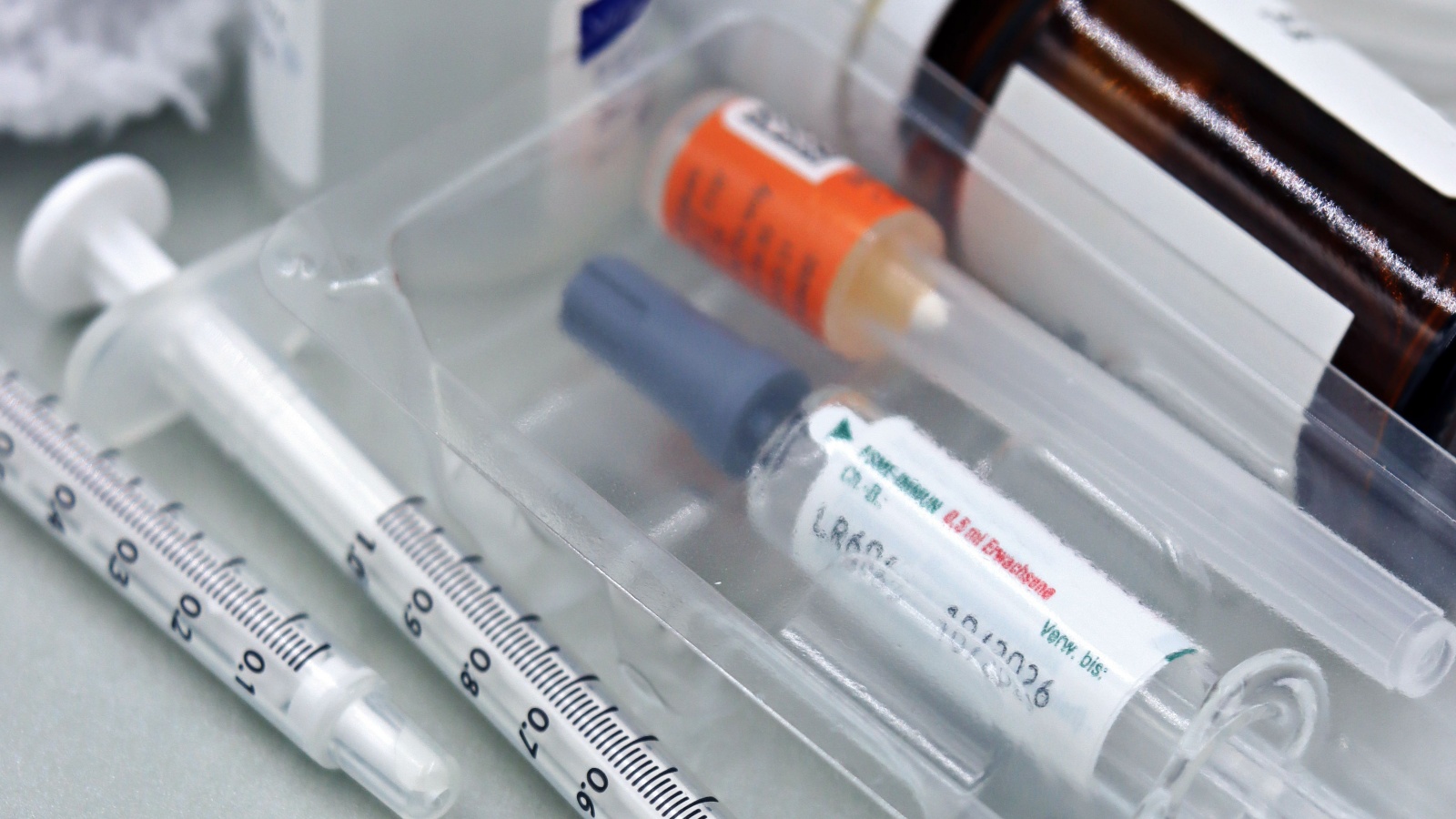
India uses many different medical devices, such as pacemakers, syringes, and heart valves.
The rules for checking their quality are separate from medicine rules.
However, their prices are still often handled using systems made for medicines.
The article says this can allow very large mark-ups.
Patients usually cannot choose or bargain over the device used in treatment.
Hospitals often make those decisions.
A pacemaker costing Rs 25,000 may be billed at more than Rs 2 lakh.
The article says India needs clearer pricing rules that protect patients without stopping companies from supplying new and important devices.

India’s medical device sector has grown rapidly while regulation and pricing systems have lagged.
The Medical Devices Rules, 2017 created a quality and safety framework, but pricing still largely follows pharmaceutical rules.
The article says hospitals often control device choices and may prioritize profit margins over patient welfare.
Medical device MRPs can reportedly be 10–30 times higher than manufacturers’ costs.
Examples include pacemakers billed above Rs 2 lakh, syringes sold for Rs 30, and heart valves marked up to Rs 26 lakh.
- Who
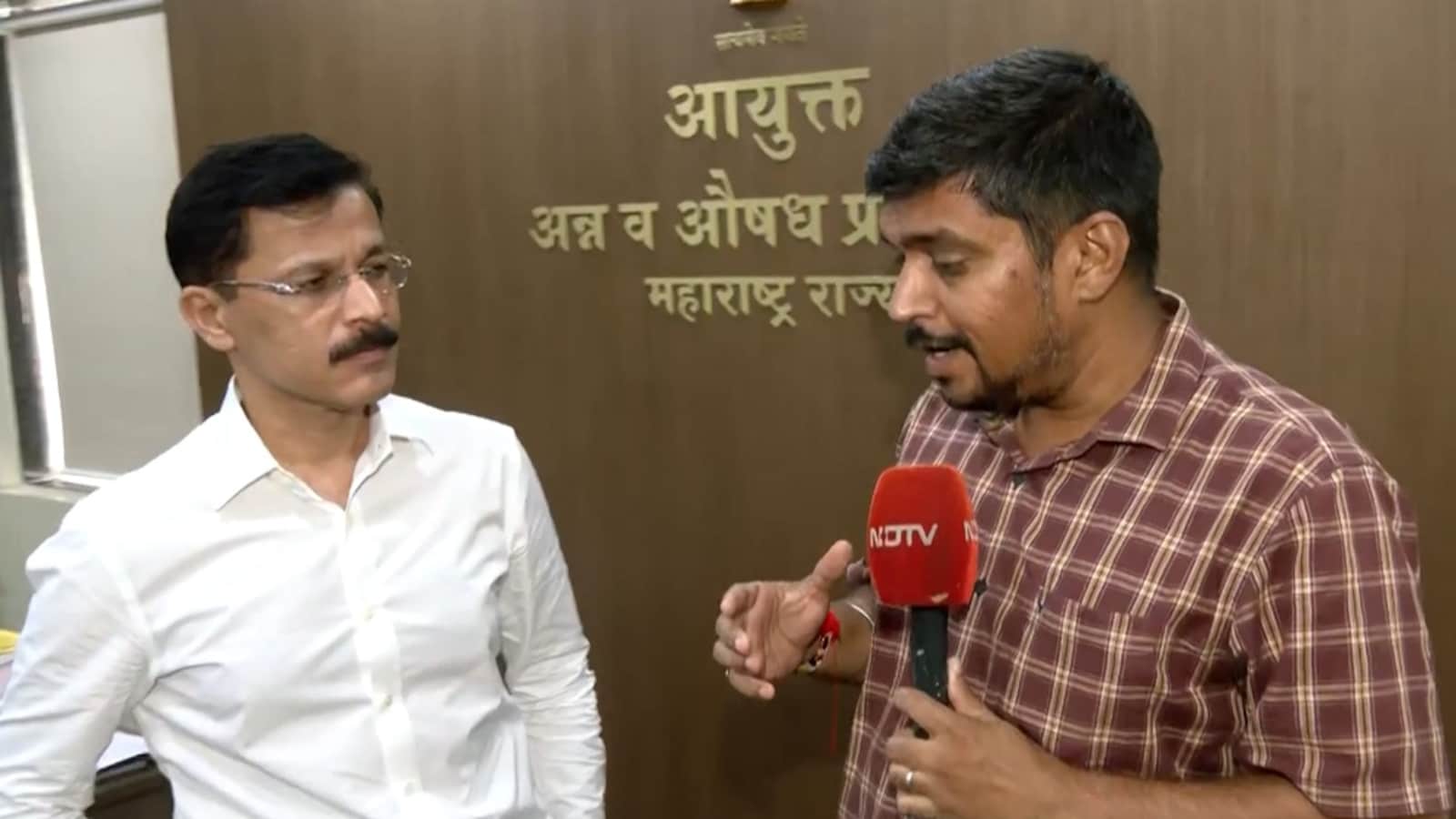
- Patients, hospitals, medical-device manufacturers and policymakers are affected; Maharashtra FDA Commissioner Tukaram Munde highlighted the pricing issue.
- What
- The article calls for a distinct, transparent and predictable pricing framework for medical devices.
- Where
- India, including Maharashtra.
- When
- The issue is described as current; the Medical Devices Rules were introduced in 2017.
- Why
- Medical-device prices and mark-ups can be far above costs, while existing pharmaceutical-focused pricing mechanisms do not fit the diverse device sector.
Key facts
- Regulatory framework
- The Medical Devices Rules, 2017 cover device quality and safety.
- Pricing mechanism
- Medical-device pricing is still largely addressed through pharmaceutical-focused mechanisms under the Drugs (Prices Control) Order.
- Reported mark-ups
- Medical-device MRPs are described as being 10–30 times higher than real costs.
- Pacemaker example
- A pacemaker imported at Rs 25,000 is reportedly billed at more than Rs 2 lakh.
- Syringe example
- Syringes costing Rs 3 at the factory gate are reportedly sold to patients for Rs 30.
- Heart-valve example
- Heart valves imported at Rs 4 lakh have reportedly been marked up to Rs 26 lakh.
- Policy goal
- The proposed approach would protect patients from excessive mark-ups while supporting supply and innovation.
Sources
Related news

Medical Device Industry Seeks Overhaul of Pricing Rules
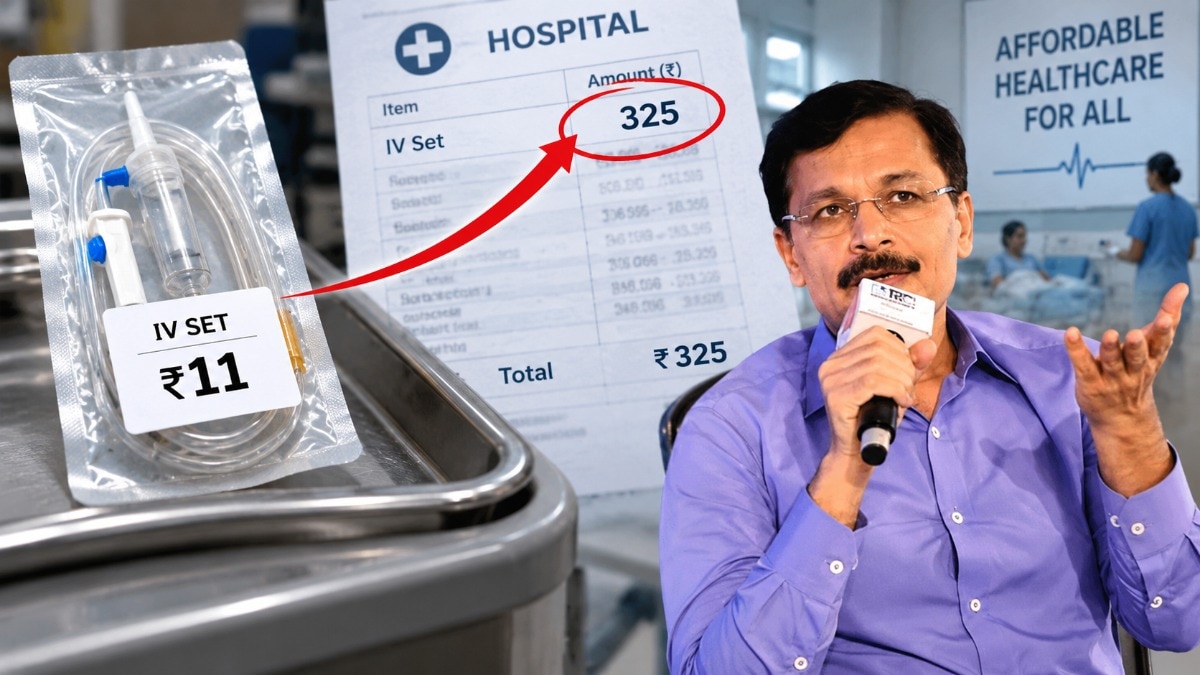
Maharashtra official flags steep medical-device markups, seeks pricing oversight
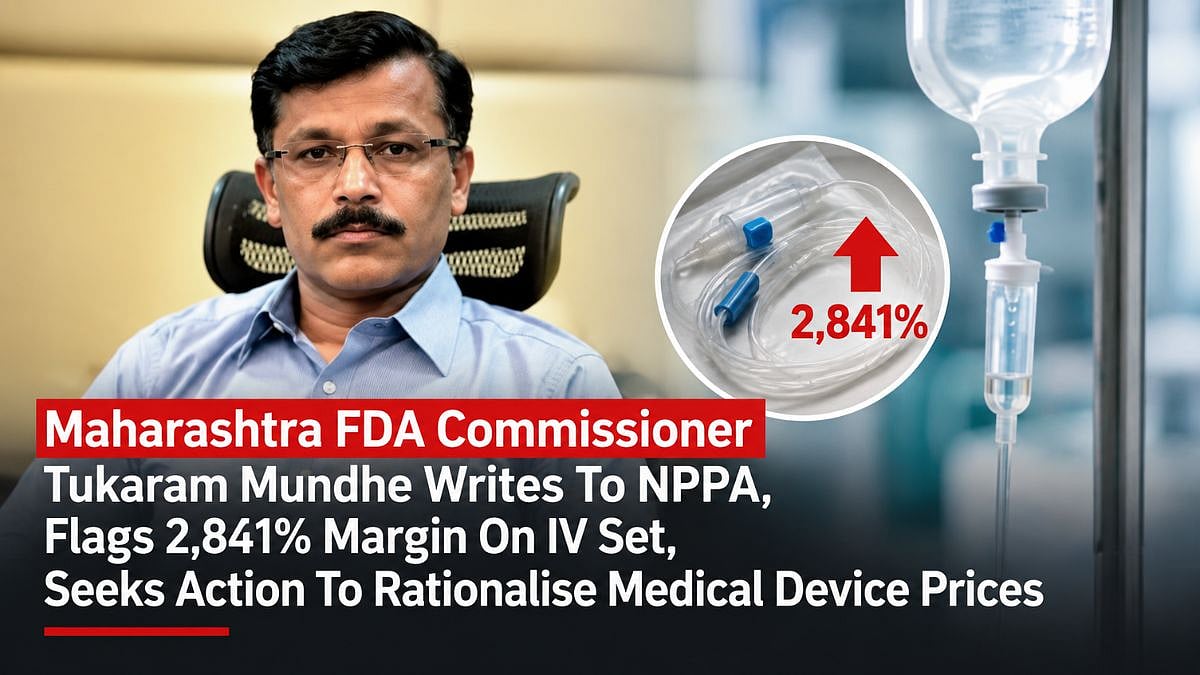
Maharashtra FDA Flags Huge Markups on Hospital Consumables
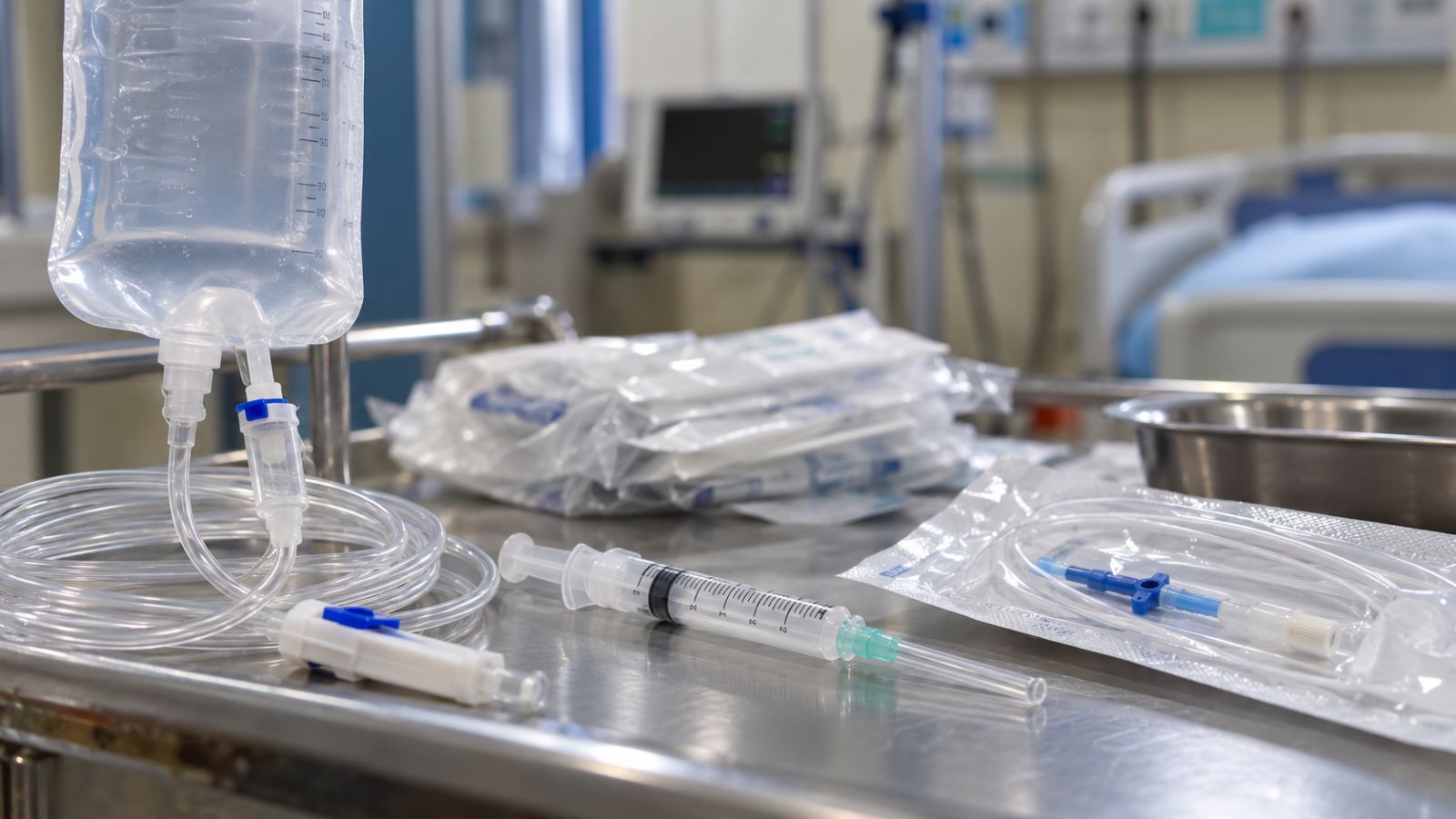
Maharashtra FDA Seeks Price Caps on Hospital Devices
Maharashtra FDA Seeks Transparency After Survey Finds Huge Device Markups
Maharashtra Hospitals Face Scrutiny Over Steep Medical Item Markups

Rakhandar Yatra Mobilizes Villages to Protect Konkan’s Land and Culture

Hindi University Dispute Triggers Student Protests and FIR

Nila Vikhe Patil Elected to Sweden’s Parliament From Stockholm

Onion Prices Surge as Subsidised Sales Await Supplies