

2 hrs ago
A Psychiatric Ward Can Be Sanctuary, but Few Can Afford It
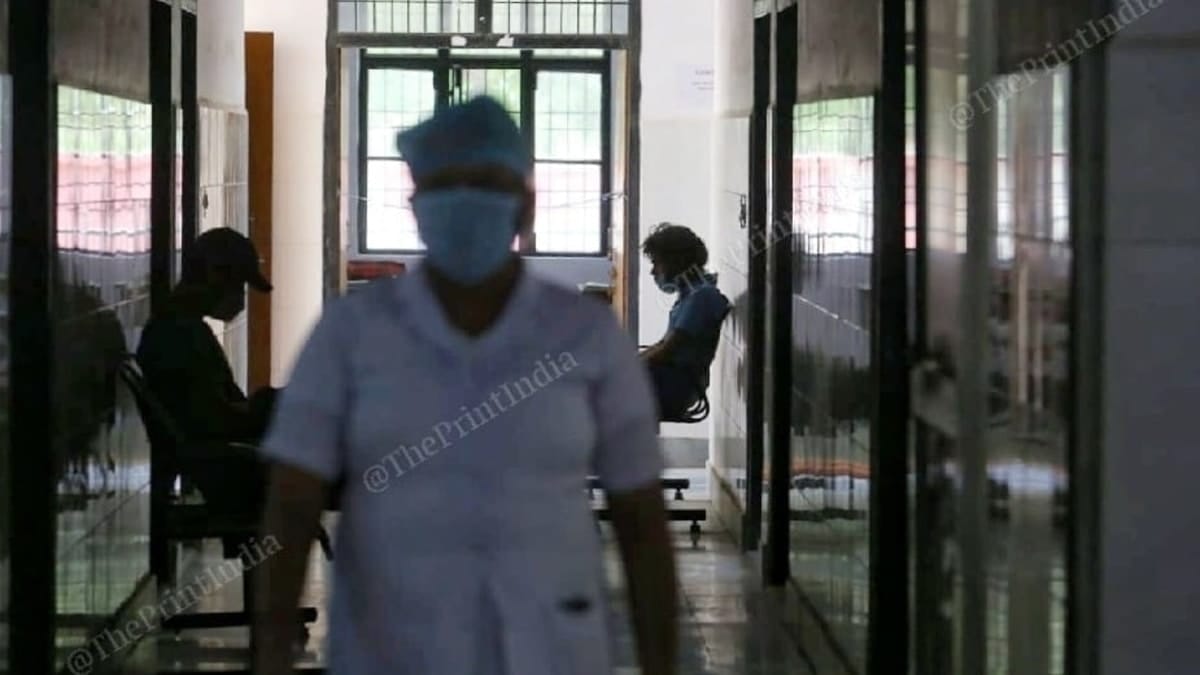
The writer lives with bipolar disorder, which can sometimes make him very unwell and unsafe.
When this happens, his family and doctors arrange for him to stay in a psychiatric hospital.
He says some places have felt frightening, but one facility in Gurugram treated him with care and respect.
He still felt upset about being admitted when he did not choose to go.
The stay helped him feel safer, but it was very expensive.
The article says many people in India cannot get mental health care.
The writer believes people need both safety and kindness when they are ill.
He also says good care should not be something only wealthy people can afford.

A journalist with bipolar I disorder describes repeated manic episodes and involuntary hospital admissions.
At Aashray, a Gurugram psychiatric facility, he experienced care he describes as supportive and respectful.
He says the facility’s approach offered safety while preserving more dignity and agency than other admissions.
His two-week stay cost Rs 2.5 lakh, including Rs 28,000 for yoga and physiotherapy sessions.
The article says just 1% of India’s health budget goes to mental health, while many people lack treatment.
- Who
- Shreevatsa Nevatia, a journalist who says he has bipolar I disorder, and other patients at Aashray.
- What
- He describes his experiences of psychiatric admission, the supportive care he received at Aashray, and its high cost.
- Where
- Aashray, a psychiatric facility in Gurugram; the writer also describes previous care in Kolkata.
- When
- The account includes a two-week stay and describes events over the writer’s years living with the diagnosis.
- Why
- The writer says admission was arranged during mania to protect him and others, and argues that compassionate care should be more accessible.
Concerns about involuntary admission
The case for supported admission
Freedom and safety
Concerns about involuntary admission
Critics argue that impaired mental capacity should not, by itself, justify institutionalising someone against their will.
The case for supported admission
The writer says admission during mania can protect him and others, and that a safe, caring facility can balance safety with dignity.
Quality and affordability
Concerns about involuntary admission
The writer argues that Aashray’s high cost makes its compassionate model inaccessible to many people in India.
The case for supported admission
He describes its respectful, supportive care as a model for psychiatric facilities, while stressing that patients need compassion rather than luxury.
Key facts
- Diagnosis
- The author says he has lived with bipolar disorder type 1 for 19 years.
- Aashray stay
- The writer says his stay lasted two weeks.
- Bill
- The writer says the bill was Rs 2.5 lakh.
- Yoga and physiotherapy
- Rs 28,000 was charged for the sessions, according to the writer.
- Legal provision
- The writer says his admission was advised under Section 89 of the Mental Healthcare Act, 2017.
- Mental health spending
- The article says 1% of India’s health budget is spent on mental health.
- Access to care
- The article estimates that 70–92% of more than 15 crore Indians with mental health problems lack access to any form of mental health care and treatment.
Quotes
A man in his 60s at the Kolkata psychiatric facility
A resident of the Kolkata psychiatric facility where the author had been admitted.
“My sister doesn’t have the wherewithal to care for me, but that doesn’t mean I am alone.”
 theprint.in
Pranab
A patient at Aashray who had briefly escaped the facility.
“They gave me violence, so I give them love.”
theprint.in
Sources
Related news

Women Share Mental Health Journeys After Years Of Silence

Justice Rai Urges Compassion in Suicide Prevention Efforts

Patient Injured After Jumping From Kasturba Hospital Ward

Noida Protest Case Pits State Conspiracy Claims Against Families

Patient Dies at Odisha Hospital as Family Alleges Security Assault

The Better India Launches ‘How Are You, India?’ Mental Health Series
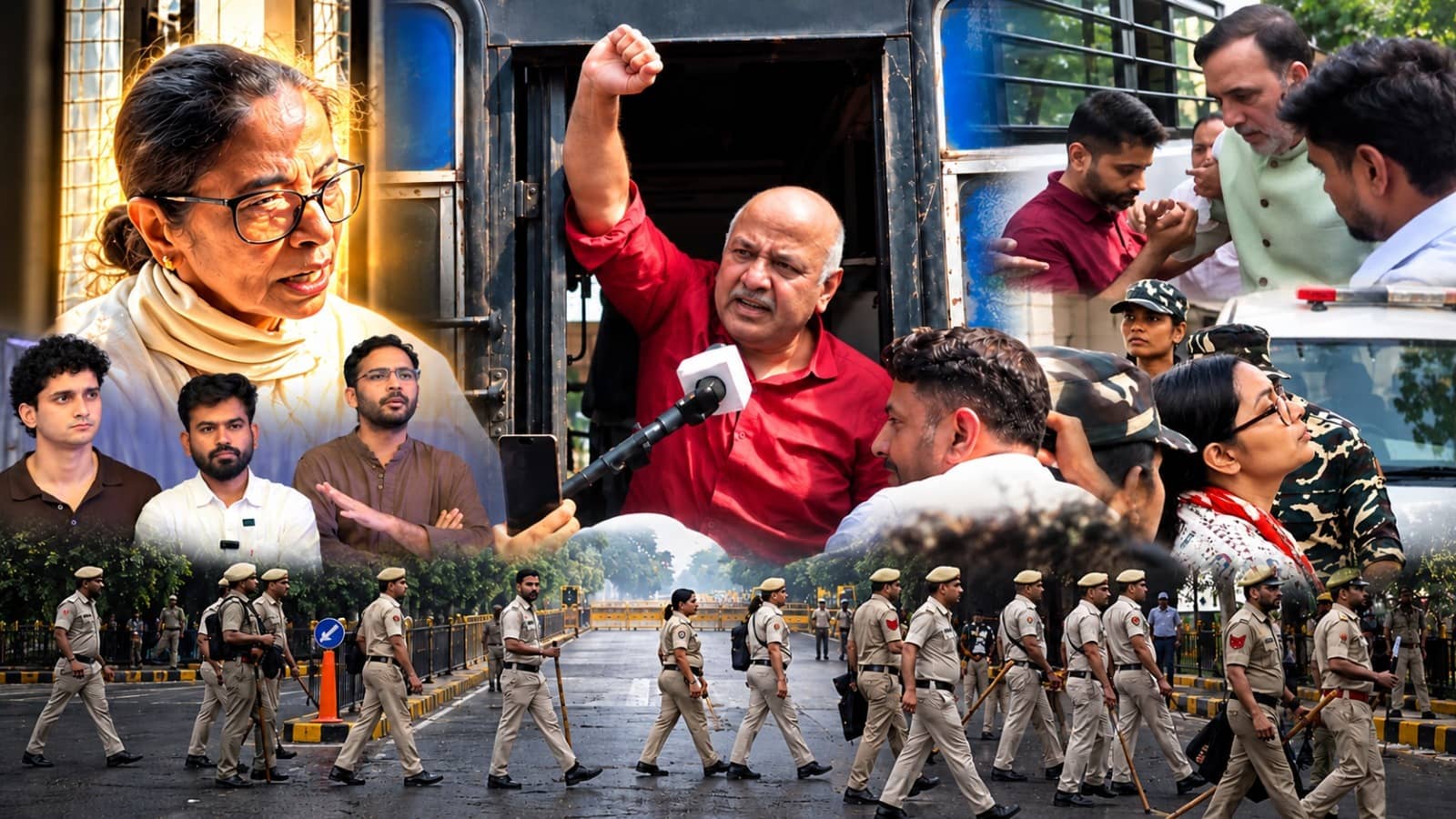
Delhi Police Detain Opposition Figures Ahead of Jantar Mantar Protest

CJP Leaders Detained After Delhi Flight Lands; Passenger Exchange Goes Viral
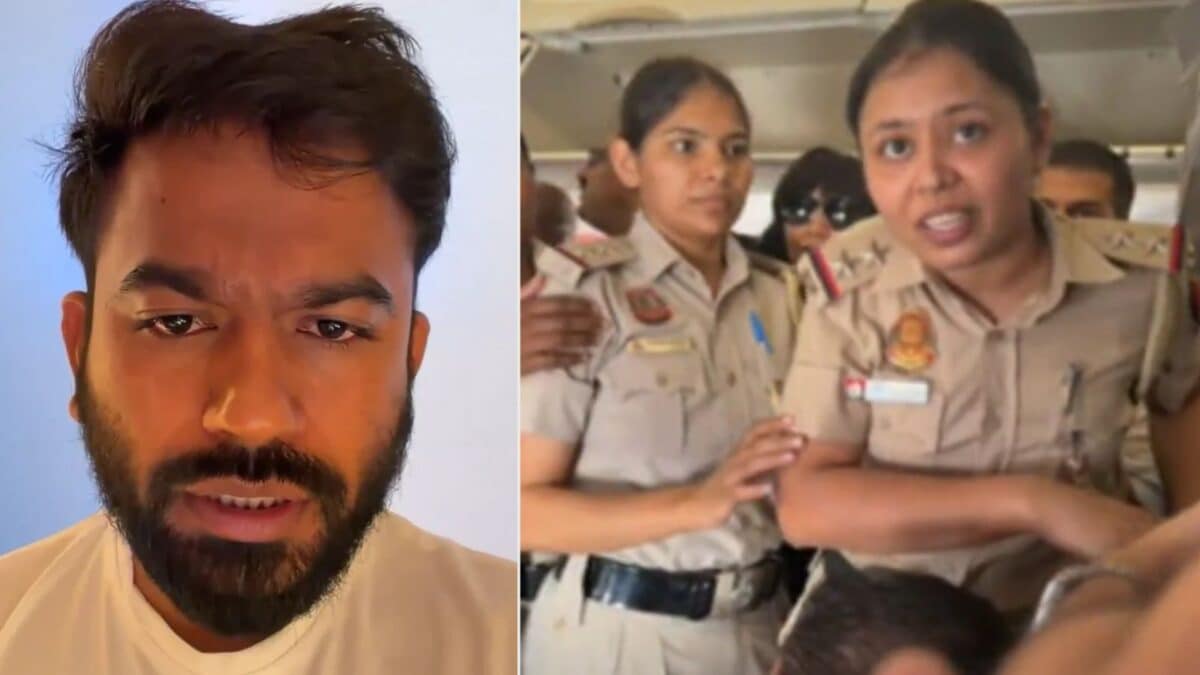
CJP Names Ajinkya Shinde to Lead Protest After Detentions
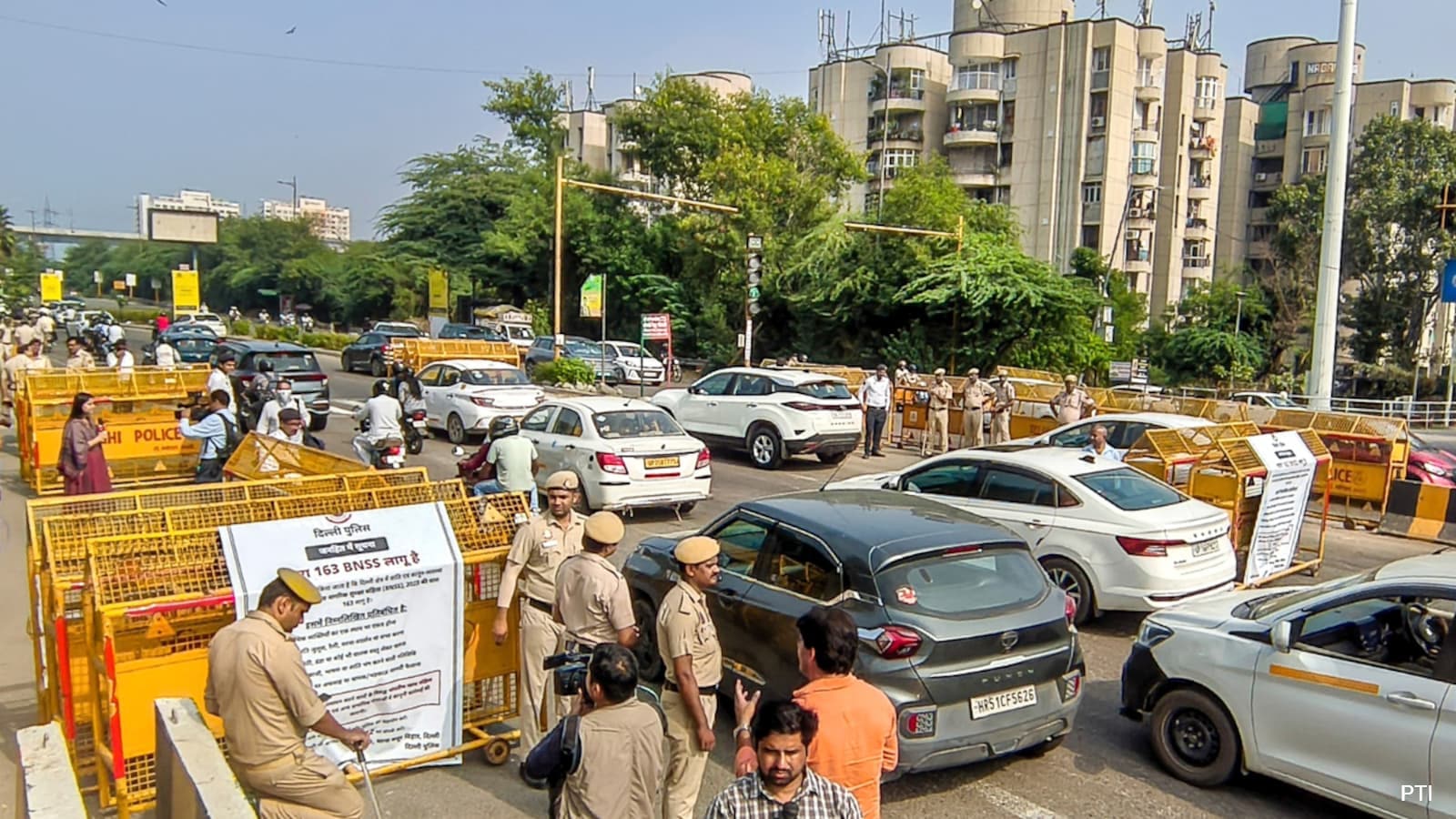
Delhi Traffic Jams as Police Detain CJP Protesters
