

20 hrs ago
RBI Raises Repo Rate as Industry Seeks Affordable MSME Credit
The Reserve Bank of India raised its main interest rate from 5.25% to 5.50%.
It said the move responds to rising inflation risks, including higher food, fuel and commodity prices.
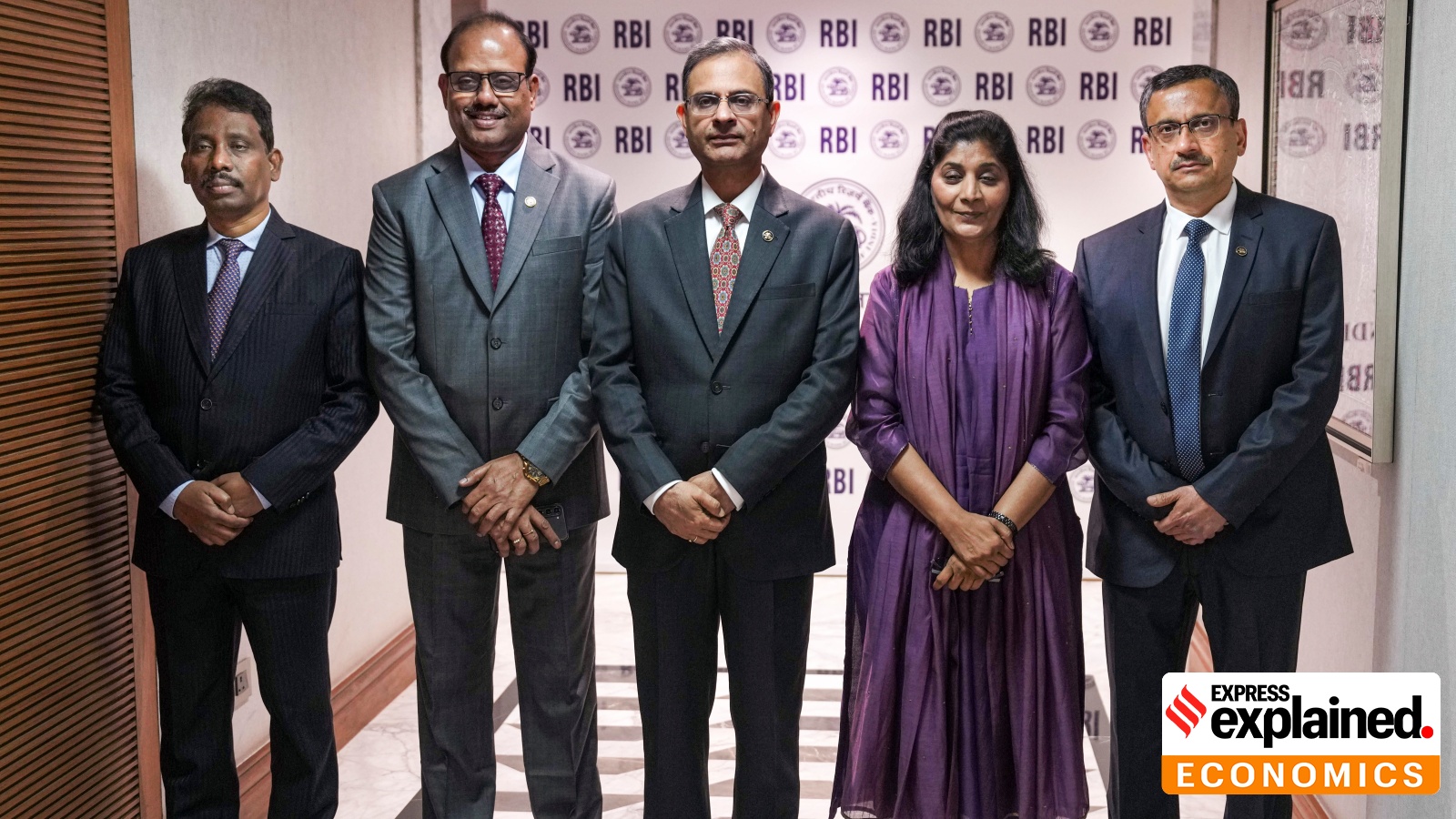
The decision was unanimous and the bank also changed its policy stance to “calibrated tightening.”
The RBI expects India’s economy to grow by 7.1% in FY 2026–27.
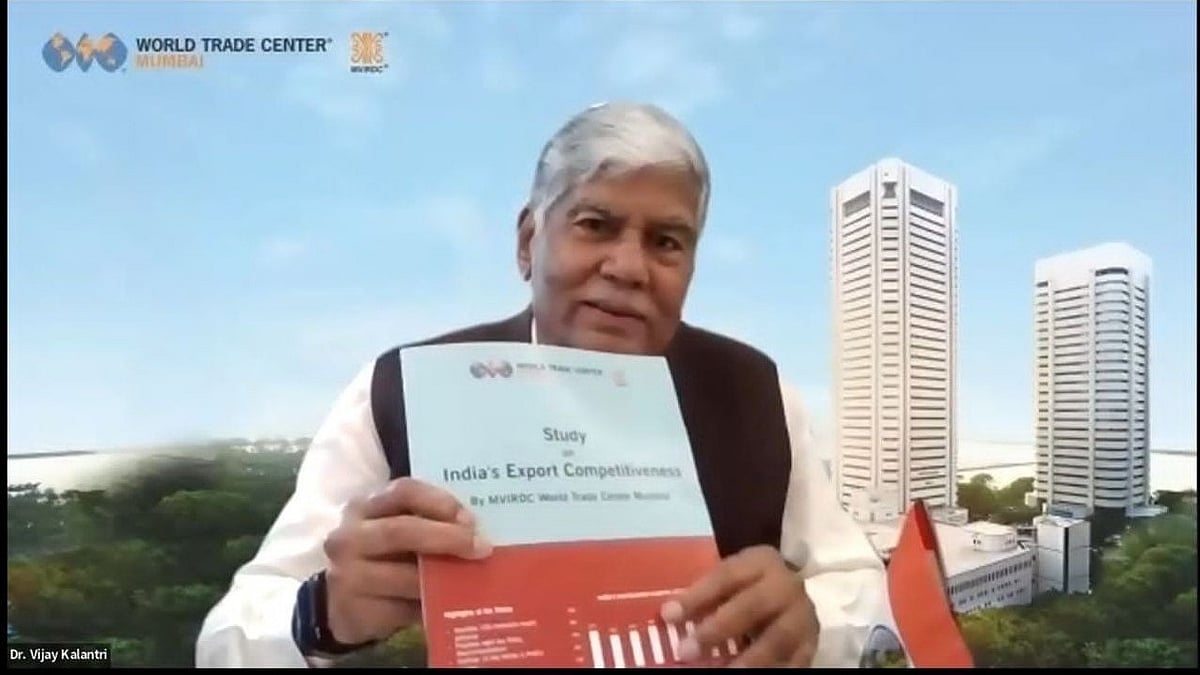
Dr. Vijay Kalantri said controlling prices matters, but higher rates could make loans more expensive for businesses.
He is especially concerned about small businesses, which already face borrowing costs above the policy rate.
He welcomed a ₹10,000-crore government fund for small and medium enterprises.
He said the fund should be easy to access and should work alongside affordable loans.
He also called for better supply chains and logistics to help address inflation pressures.

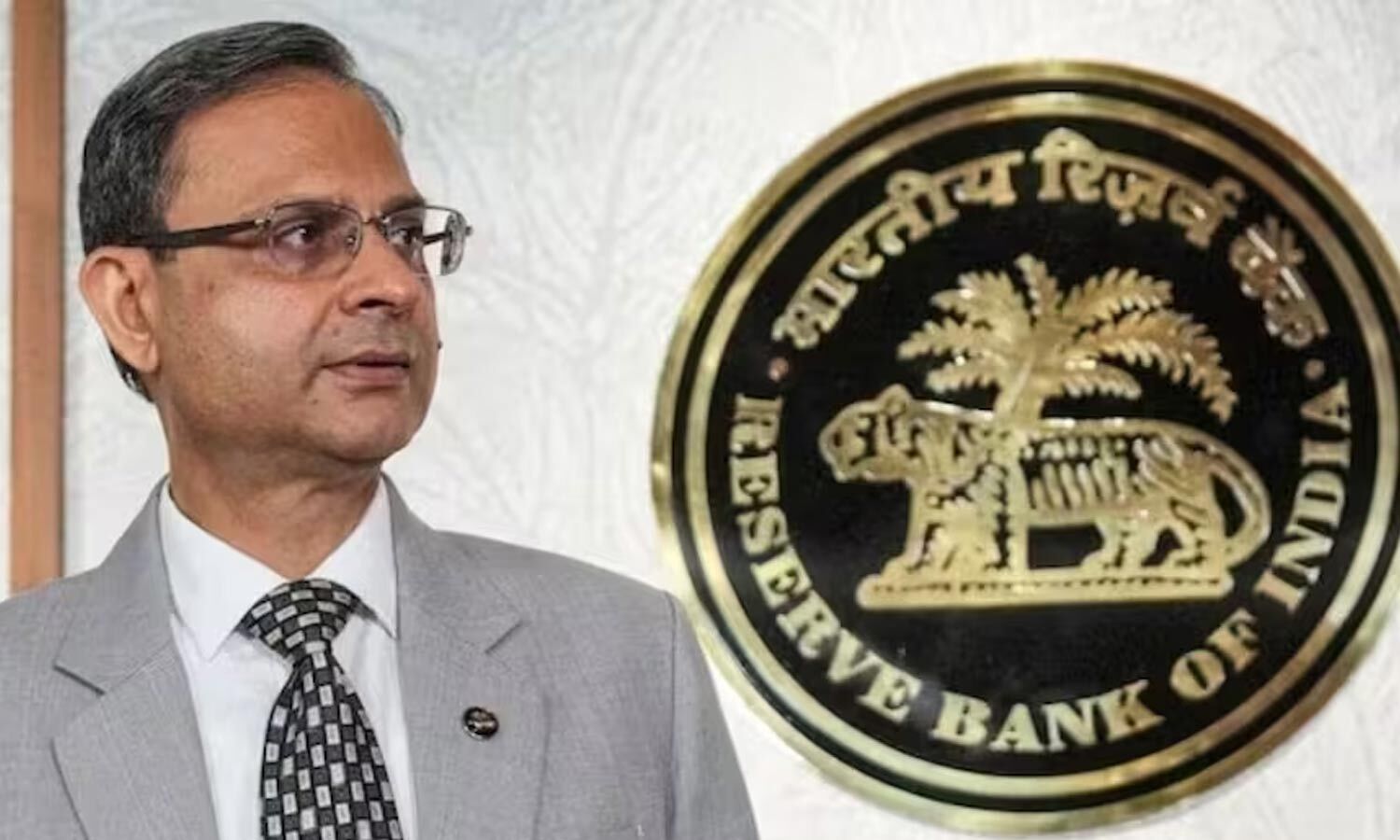
The Monetary Policy Committee unanimously raised the repo rate by 25 basis points, from 5.25% to 5.50%, its first increase in nearly four years.
The RBI shifted its policy stance from neutral to calibrated tightening amid inflation risks linked to food, fuel and other commodity prices.
The RBI raised its FY 2026–27 real GDP growth projection to 7.1% from 6.7%, and its FY27 CPI inflation projection to 5.2%.
Industry representative Dr. Vijay Kalantri warned that higher borrowing costs could disproportionately affect MSMEs and exporters.
Kalantri said the Union Cabinet’s ₹10,000-crore SME Growth Fund could ease financing pressures, provided it is implemented simply and complemented by affordable credit.
- Who
- The Reserve Bank of India’s Monetary Policy Committee; Dr. Vijay Kalantri, representing MVIRDC World Trade Center Mumbai and the All India Association of Industries.
- What
- The MPC raised the policy repo rate by 25 basis points to 5.50% and shifted its stance to calibrated tightening.
- Where
- India.
- When
- The articles describe the decision as the MPC’s latest monetary policy decision; no specific date is stated.
- Why
- The RBI cited emerging inflationary pressures and global economic and financial risks; Kalantri urged policymakers to ensure higher rates do not unduly raise productive businesses’ borrowing costs.
RBI’s inflation concerns
Industry’s credit concerns
Raising the policy rate
RBI’s inflation concerns
The RBI cited inflation risks and global pressures, including elevated commodity and energy prices, as reasons for tightening policy.
Industry’s credit concerns
Kalantri said monetary tightening should be carefully calibrated so it does not raise the cost of productive credit, particularly for MSMEs and exporters.
How to address inflation
RBI’s inflation concerns
The RBI raised the rate amid concern about inflation and other economic and financial risks.
Industry’s credit concerns
Kalantri said monetary policy alone cannot address inflation driven mainly by supply-side and external factors; he called for stronger supply chains, more efficient logistics and action on structural business costs.
Supporting business growth
RBI’s inflation concerns
The RBI raised its growth projection to 7.1%, saying higher-than-expected growth provided room for the rate increase.
Industry’s credit concerns
Kalantri urged continued support for private investment, manufacturing and employment, saying MSMEs need affordable credit alongside the ₹10,000-crore SME Growth Fund.
Key facts
- New repo rate
- 5.50%, up from 5.25%
- Rate increase
- 25 basis points
- Policy stance
- Changed from neutral to calibrated tightening
- Real GDP growth projection
- 7.1% for FY 2026–27, up from 6.7%
- CPI inflation projection
- 5.2% for FY27
- SME Growth Fund
- ₹10,000 crore, approved by the Union Cabinet
- MPC decision
- Unanimous; the first repo rate increase in nearly four years
Quotes
Dr. Vijay Kalantri
Chairman of MVIRDC World Trade Center Mumbai and president of the All India Association of Industries
“The SME Growth Fund is a timely initiative that can help create a new generation of globally competitive Indian enterprises. However, equity support must be complemented by affordable and accessible credit. At a time when the policy rate has increased, we must ensure that viable MSMEs are not constrained by rising borrowing costs. A combination of patient equity capital and competitively priced credit will be critical for strengthening manufacturing, exports and employment generation.”
 freepressjournal.in
“While maintaining price stability is essential for sustainable economic growth, monetary tightening must be carefully calibrated so that it does not raise the cost of productive credit for industry, particularly MSMEs and exporters.”
freepressjournal.in
Sources
Related news

RBI Raises Repo Rate to 5.50% as Inflation Pressures Broaden
RBI Raises Rates, Signals Further Hikes or a Pause Ahead

RBI Raises Repo Rate to 5.50% as Inflation Risks Grow
RBI Raises Repo Rate to 5.5% Amid Inflation Risks
RBI Signals More Rate Hikes as Inflation Risks Persist
RBI Rate Hike Looms as Inflation Fuels Policy Debate
Why India’s Forex Reserves Fell Despite Record FCNR(B) Inflows

Rupee Slips to 96.88 as Global Risks Weigh
Rupee Near Record Low as RBI Defences Face Pressure
