

0 months ago
Here's When Missing One EMI Payment Hurts CIBIL Score
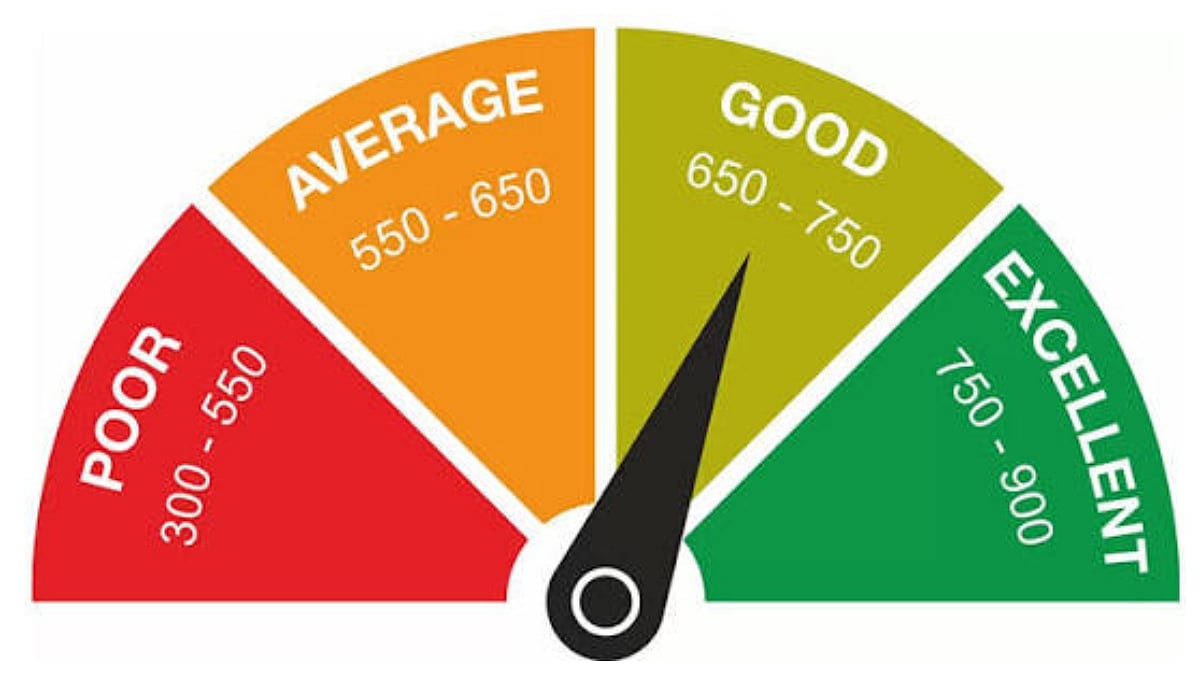
When people borrow money from a bank to buy a house, a car, or for other needs, they promise to pay back a little bit every month.
That monthly payment is called an EMI.
If you miss one EMI payment, your credit score, a number that shows how good you are at paying back borrowed money, does not drop right away.
Missing by just a few days, like one to seven days, usually means you only have to pay a small penalty called a late fee.
But if the payment is not made for a whole month, the bank may tell the credit bureau about it.
That can make your credit score go down.
A lower credit score can make it harder to get new loans or credit cards and may lead to higher interest rates.
Waiting more than two months makes the problem more serious, and the bank might start calling you to ask for the money.
Waiting more than three months is treated as a serious default and can hurt your chances of borrowing in the future.
That is why experts advise paying on time, clearing dues quickly, and setting up auto-debit or reminders.

Missing a single EMI payment does not automatically damage your CIBIL score; the impact depends on how long the payment stays unpaid and when the lender reports it.
Delays of one to seven days after the due date may not immediately affect your CIBIL score but can still attract late fees or EMI bounce charges.
If an EMI remains unpaid for 30 days or more, the lender may report the delay to credit bureaus, lowering the borrower's CIBIL score and repayment history.
Overdue payments of 60 to 89 days cause more serious damage and may lead the bank or its recovery agents to contact the borrower, while 90 days or more counts as a serious default.
Banks share repayment details with credit bureaus at regular intervals, so paying before the reporting cycle may avoid an adverse entry, though this is not guaranteed.
- Who
- Borrowers with home, personal, or car loans, along with banks and credit bureaus that report repayment data.
- What
- Explains how missing EMI payments affects a borrower's CIBIL credit score, from short delays to serious defaults.
- Where
- Reported from Mumbai, India, where CIBIL scores are used for credit evaluation.
- When
- Timing varies by delay length: 1–7 days may avoid reporting, 30+ days can trigger credit bureau reporting, 60–89 days is more serious, and 90+ days is a serious default.
- Why
- Unpaid EMIs reported to credit bureaus lower credit scores, making future borrowing harder or more expensive.
Key facts
- Credit score affected
- CIBIL score
- Short-delay window
- 1–7 days after due date (penalties only, no immediate score impact)
- Reporting threshold
- 30 or more days overdue
- Serious damage begins
- 60–89 days overdue
- Serious default
- 90 or more days overdue
- Penalties for short delay
- Late fee, EMI bounce charge
- Advice to protect score
- Pay on time, clear dues quickly, auto-debit and payment reminders
Sources
Related news

HDFC Bank Shortfall Charge Raises Questions Over RBI Rules

Minimum CIBIL Score for Personal Loan Eligibility in India

Paying Off Loans Early Does Not Guarantee Credit Score Boost

Loan Default Risks: When Can Individual Borrowers Face Jail?

Five Consistent Habits Can Build a Stronger Credit Score

Credit Report Mistakes Can Increase Loan Costs, Expert Explains

How to Correct Credit Report Errors Before They Hurt Loans

Using Personal Loans to Pay Credit Card Debt

Home Loan Interest Rates: Factors That Determine Borrowing Costs
