2 weeks ago
British official's 1947 orders: no 'God Save the King'

In 1947, India became a free country, and the first Independence Day was celebrated on August 15.
Government officials planned that special day very carefully.
Sir Ivon Hope Taunton, a British officer in the state of Bombay, gave the orders.
He said 'God Save the King,' the anthem of the British Empire, should not be played or sung on August 15.
He allowed 'Vande Mataram' to be played or sung if people wanted it.
Children in primary schools received sweets, and schools planted trees for the celebration.
The national flag had to be made of khaddar, a cloth that is spun and woven by hand.
A parade was held at 6 pm so it matched the events happening in Delhi at the same time.
There were fireworks, and Royal Indian Navy ships lit up the night with rockets and flares.
As India celebrates its 80th Independence Day, these old records show how the first one was planned.

Archival records at Maharashtra Lok Bhavan show preparations for India's first Independence Day in 1947 started about a fortnight in advance.
Sir Ivon Hope Taunton, chief secretary of the then Bombay State, ordered that 'God Save the King' should not be played or sung on August 15.
District Collectors were told to give sweets to primary school children at a cost of no more than six annas per child and to plant trees at schools.
The national flag for August 15 was to be made preferably of khaddar, with Collectors advised to seek help from local Congress leaders in procuring the flags.
Celebrations included a 6 pm parade in all districts, midnight flag hoisting in Bombay, and parachute flares fired by Royal Indian Navy ships.
- Who
- Sir Ivon Hope Taunton, chief secretary of the then Bombay State, who issued the instructions; the archival records were accessed by government PRO Umesh Kashikar.
- What
- Instructions for celebrating India's first Independence Day in 1947, including the ban on 'God Save the King', khaddar flags, sweets for children, and parades.
- Where
- The then Bombay State, chiefly Bombay (now Mumbai), including the Secretariat, Brabourne Stadium and Government House.
- When
- In the run-up to August 15, 1947, with orders issued between July 29 and August 11, 1947.
- Why
- To mark India's independence and the inauguration of the new 'Dominion', with celebrations timed to coincide with events in Delhi.
Key facts
- Event
- India's first Independence Day celebration
- Date
- August 15, 1947
- Key official
- Sir Ivon Hope Taunton, chief secretary of Bombay State
- Public holidays
- August 15 and 16, 1947, declared by the Government of India
- Sweets cost limit
- No more than six annas per child
- Flag material
- Khaddar (hand-spun and hand-woven cloth)
- Parade time
- 6 pm in all districts, to coincide with events in Delhi
- Last British Governor of Bombay
- Sir John Colville, who relinquished the post on January 6, 1948
Sources
Related news
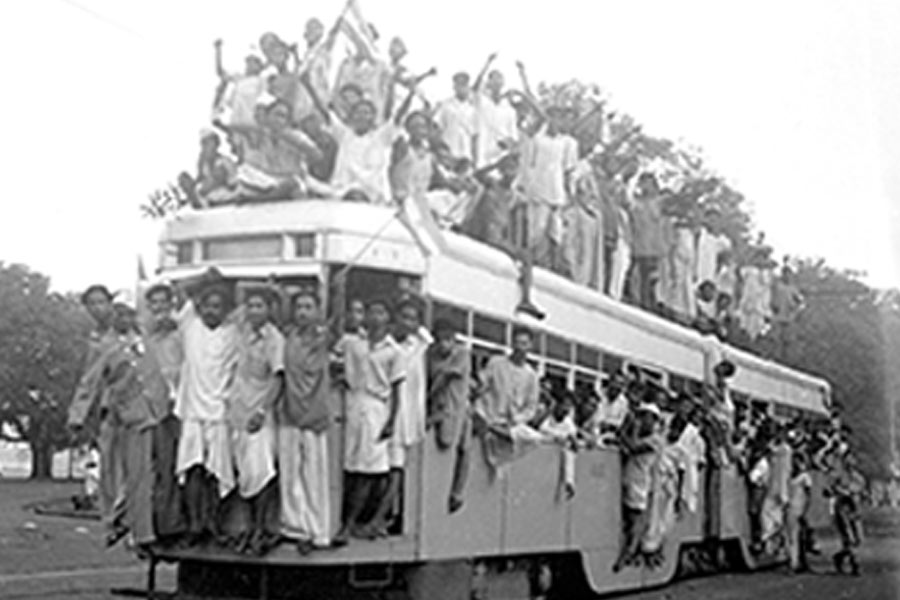
Rare Photos Capture Calcutta's First Independence Day, August 15, 1947
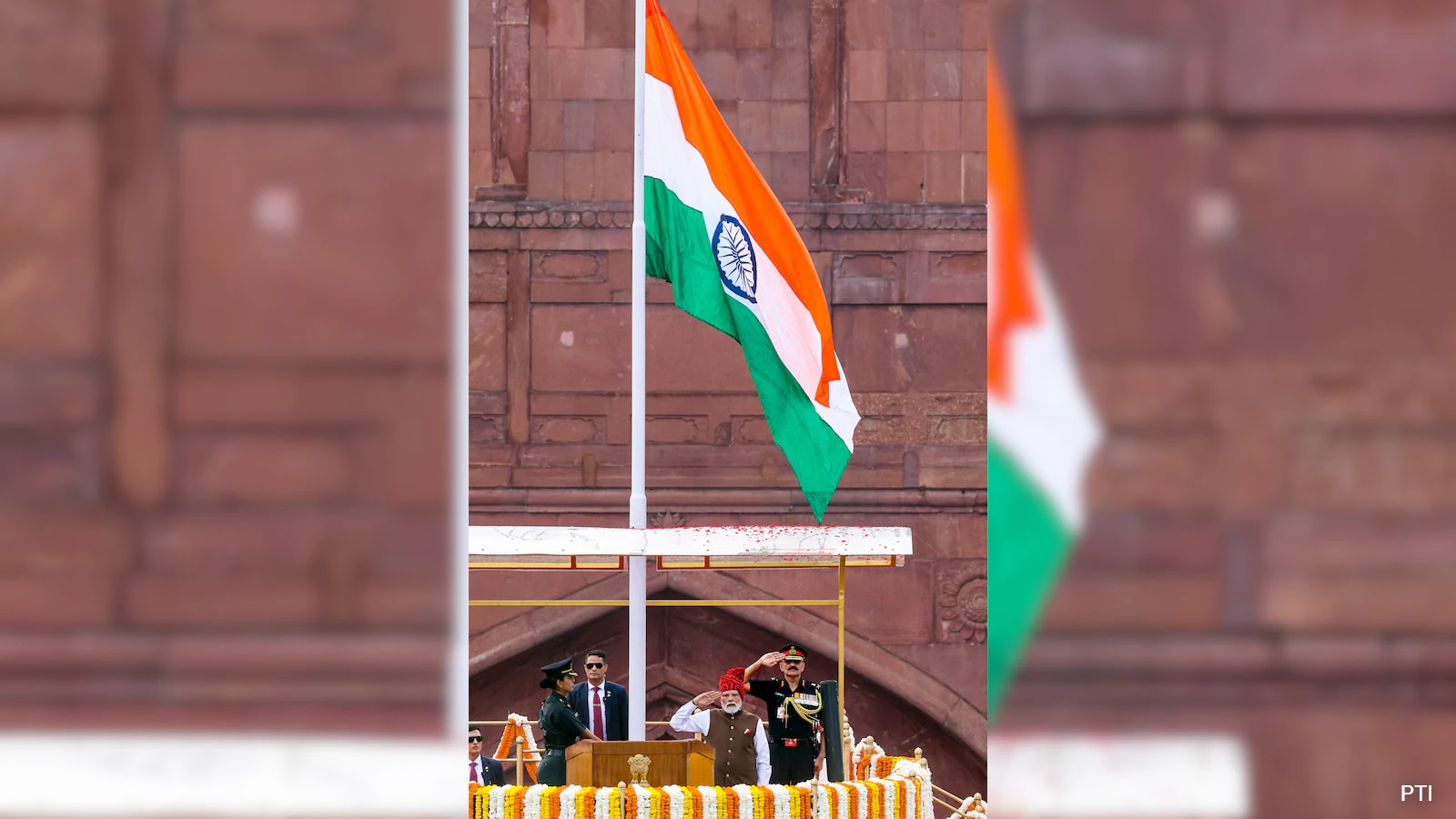
India Marks 80th Independence Day with Flag Hoisting Ceremonies
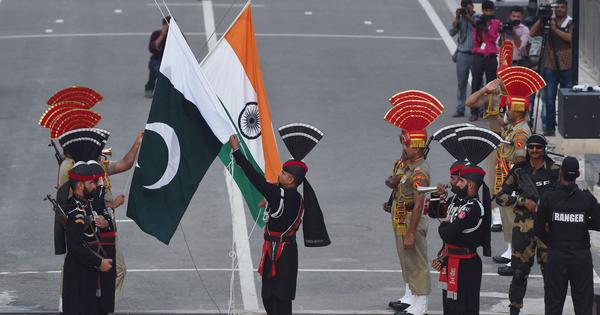
Pakistan's 1947 bid to fly flag at London's India House

Independence Day 2026: Mumbai Mayor Hoists Flag, PM Leads Celebrations

India Marks 80th Independence Day, Reliving The Statesman's 1947 Edition
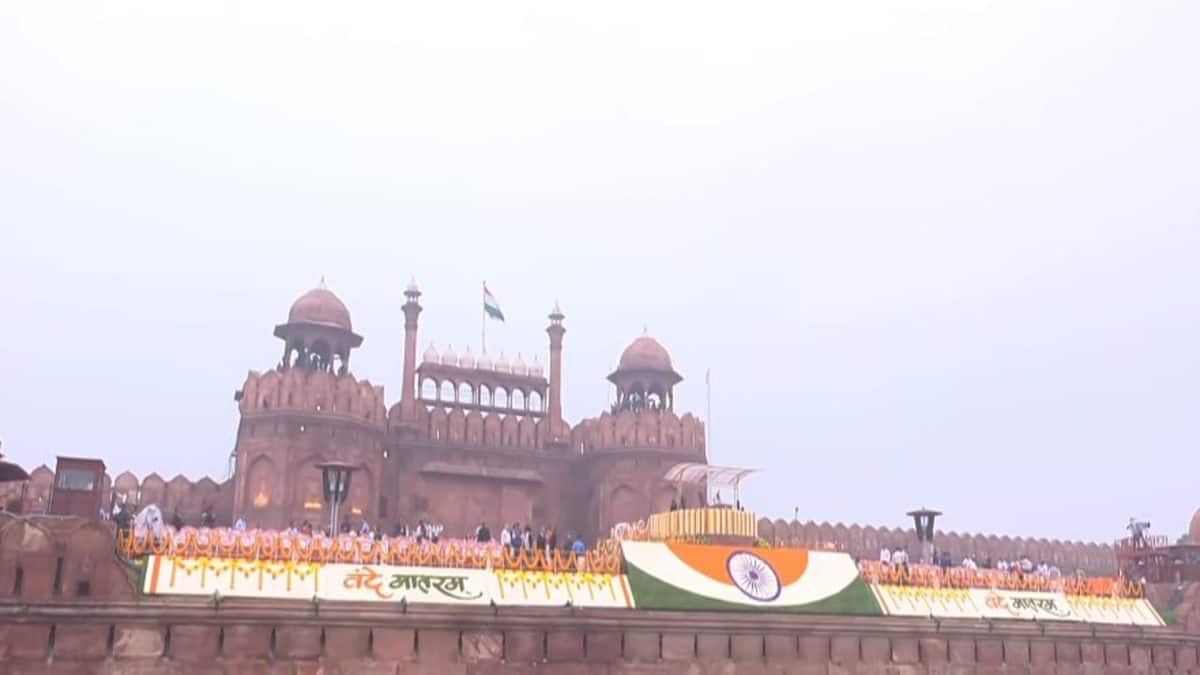
Vande Mataram Sung Before National Anthem on 80th Independence Day
Tukaram Mundhe Warns Indians About Food Safety Risks
Maharashtra Family Welcomes First Daughter in Nearly 200 Years
Maratha Protesters Block Highway Supporting Manoj Jarange Patil
Maharashtra Mountaineers Join Search for Missing Nepal Trekkers
CJP Highlights Poor Conditions in Nagpur Government Schools