1 month ago
Ex-envoy Ajay Bisaria on India-Pakistan Relations
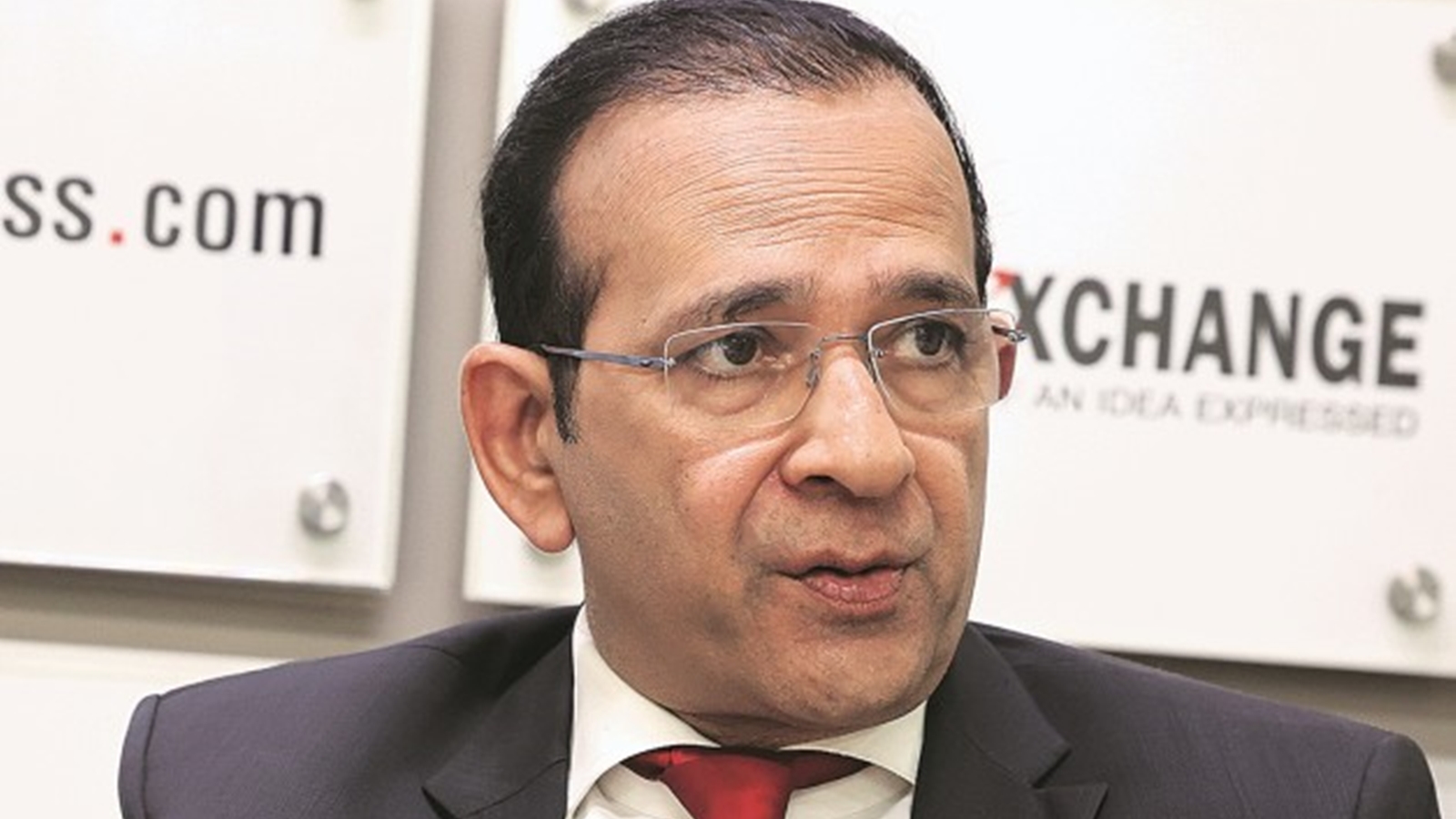
Ajay Bisaria, a former Indian envoy to Pakistan, shared his thoughts on the 2001 Agra summit and current relations between India and Pakistan.
He explained that the Agra summit failed because of insufficient preparation and Pakistani President Musharraf's overreach on Kashmir.
Bisaria believes that past peace initiatives have been risky due to terrorism and political costs.
He suggests that a strong government in India and a military leader in Pakistan could help, but the current instability in Pakistan's military makes such initiatives less likely.
He also mentioned that the RSS's recent talks about engaging with Pakistan are not an orchestrated move but an innocent effort to solve the problem.
Bisaria advocates for a line of communication with the Pakistan Army to test their appetite for rapprochement.

The 2001 Agra summit failed due to insufficient preparation and Musharraf's overreach on Kashmir.
Past peace initiatives between India and Pakistan have been risky due to terrorism and political costs.
A strong government in India and a military leader in Pakistan could facilitate successful diplomatic moves.
Current instability in Pakistan's military leadership makes such initiatives less likely to succeed.
The RSS's recent talks about engaging with Pakistan are seen as an innocent effort rather than an orchestrated move.
- Who
- Ajay Bisaria, former Indian envoy to Pakistan and private secretary to PM Vajpayee.
- What
- Discussion on lessons from the 2001 Agra summit and current India-Pakistan relations.
- Where
- Published in The Indian Express.
- When
- Interview conducted 25 years after the Agra summit.
- Why
- To share insights on past diplomatic efforts and the current state of India-Pakistan relations.
Pro-Engagement
Cautious Approach
Diplomatic Initiatives
Pro-Engagement
Advocates for continued diplomatic efforts and engagement with Pakistan, suggesting that persistent dialogue could lead to positive outcomes.
Cautious Approach
Highlights the political risks and historical failures of past peace initiatives, emphasizing the need for guarantees to prevent sabotage by terrorism.
Role of Military Leadership
Pro-Engagement
Believes that a strong government in India and a military leader in Pakistan can facilitate successful diplomatic moves.
Cautious Approach
Points out the current instability in Pakistan's military leadership, making such initiatives less likely to succeed.
Key facts
- Agra Summit
- 2001 summit between Indian PM Vajpayee and Pakistani President Musharraf that failed due to insufficient preparation and Musharraf's overreach on Kashmir.
- Pulwama Attack
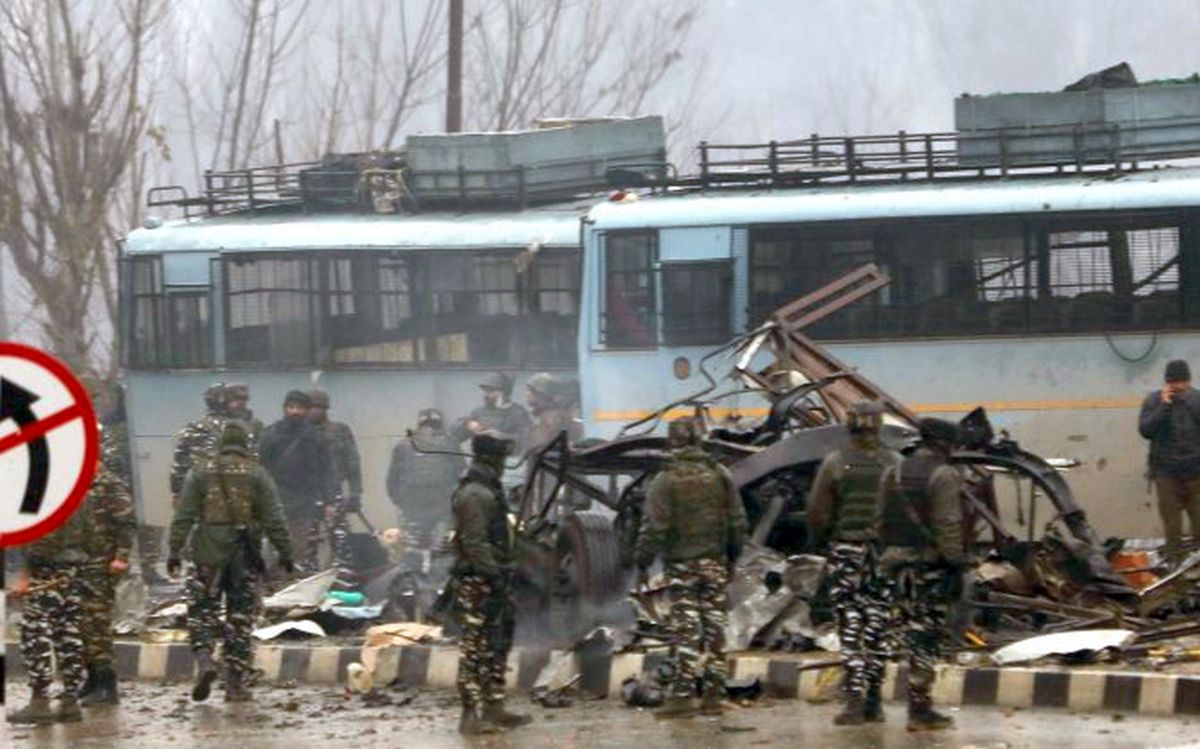
- 2019 terror attack in India that strained relations and led to the Balakot aerial strikes.
- Abrogation of Article 370
- 2019 decision by India to revoke the special status of Jammu and Kashmir.
- Current Political Climate
- Indian leadership views peace initiatives with Pakistan as politically risky due to past failures and the threat of terrorism.
- RSS Stance
- RSS's recent talks about engaging with Pakistan are seen as an innocent, first-principles instinct rather than an orchestrated move.
Quotes

Ajay Bisaria
Former Indian envoy to Pakistan and private secretary to Prime Minister Atal Bihari Vajpayee
“But I would say the onus is on Pakistan. If they can persuade the Indian political system that this is a prime minister who has genuinely been trying for two years — that they want to pivot to geoeconomics, get past this problem, and talk — then the chances improve, provided there is some guarantee that it won’t be back to square one.”
 indianexpress.com
“Because this is such a strong government — a BJP, right-of-centre government — the likelihood of something positive happening is greater under this dispensation than any other.”
indianexpress.com
Sources
Related news

Volvo ES90 And EX90 Electric Flagships Launch In India

Genesis Reveals GV90 Electric SUV With Coach Doors
IMF Chief Sees Energy Resilience but Warns Fiscal Risks
University of Sheffield offers £7,000 tuition discount for international students
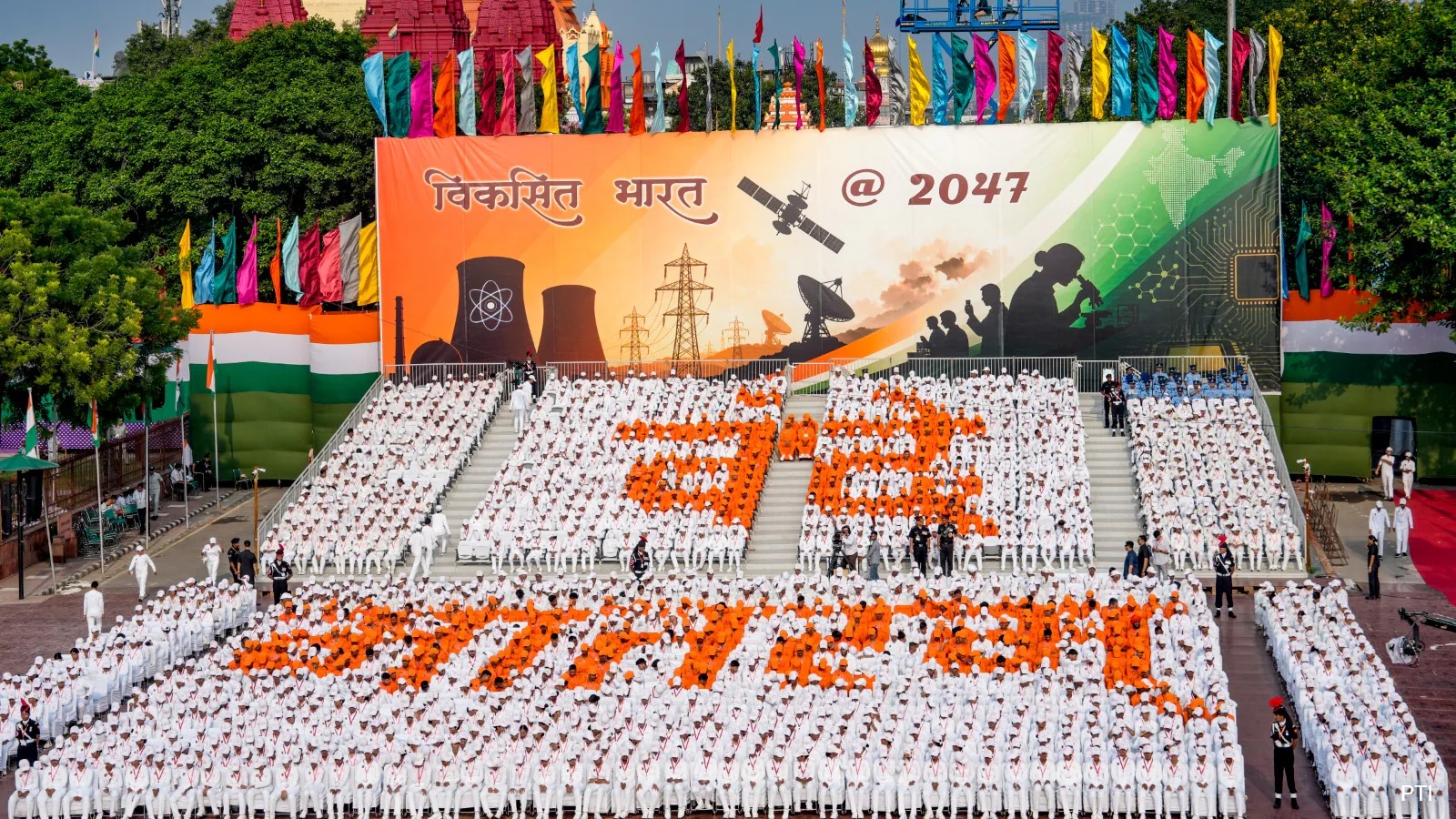
India At 80: The Nation That Stopped Waiting

Former RAW Chief Says Peace with Pakistan Unlikely

SP Leader Claims Pulwama Attack Was BJP Conspiracy