

2 weeks ago
AI Could Bridge Women's Health Gap, But Better Data Key

Doctors have not studied women's health as much as men's health for a very long time.
This means women sometimes get sicker than they should because their problems are not noticed in time.
For example, women who have a bad heart attack are more likely to be told they have something else.
Smart computer programs called artificial intelligence, or AI, could help fix this problem.
But these programs learn from data, and most of the data comes from studying men.
So the programs might make mistakes when they are used for women.
There are health problems that only women get, like endometriosis and menopause.
There are also problems that women get more often, like migraines.
And some diseases, like heart disease, affect women differently than men.
To make things better, we need better data, more research, and rules that make sure women are included in studies.

Women's health research and treatment has been chronically underprioritized, with economic losses quantified in trillions of dollars.
Women who arrive at hospitals with severe heart attacks are much more likely to be misdiagnosed than men.
AI systems are only as good as the data they are trained on, and women have been poorly represented as research subjects.
Women's health issues fall into three categories: conditions unique to women, conditions more prevalent in women, and conditions affecting both sexes differently.
Closing the women's health gap requires more than AI, including investment, sex-specific clinical trials, and regulation.
- Who
- Women patients, researchers, healthcare practitioners, and governments
- What
- AI could help bridge the women's health gap, but gaps in sex-specific data limit its effectiveness
- Where
- Not specified in the article
- When
- Not specified in the article
- Why
- Women's health has been underprioritized, leading to misdiagnosis and trillions of dollars in economic losses
Key facts
- Key issue
- Chronic underprioritization of women's health research and treatment
- Economic impact
- Losses quantified in trillions of dollars
- Misdiagnosis example
- Women with severe heart attacks are much more likely to be misdiagnosed than men
- Main barrier
- Poor representation of women as research subjects in training datasets
- Conditions unique to women
- Endometriosis, menopause
- Conditions more prevalent in women
- Migraines, many autoimmune diseases
- Conditions affecting both sexes differently
- Heart disease, diabetes
- Proposed solutions
- Investment, sex-specific clinical trials, regulation, synthetic data, machine learning
Sources
Related news

AI Helps Reveal Hidden Heart Risks Between Heartbeats
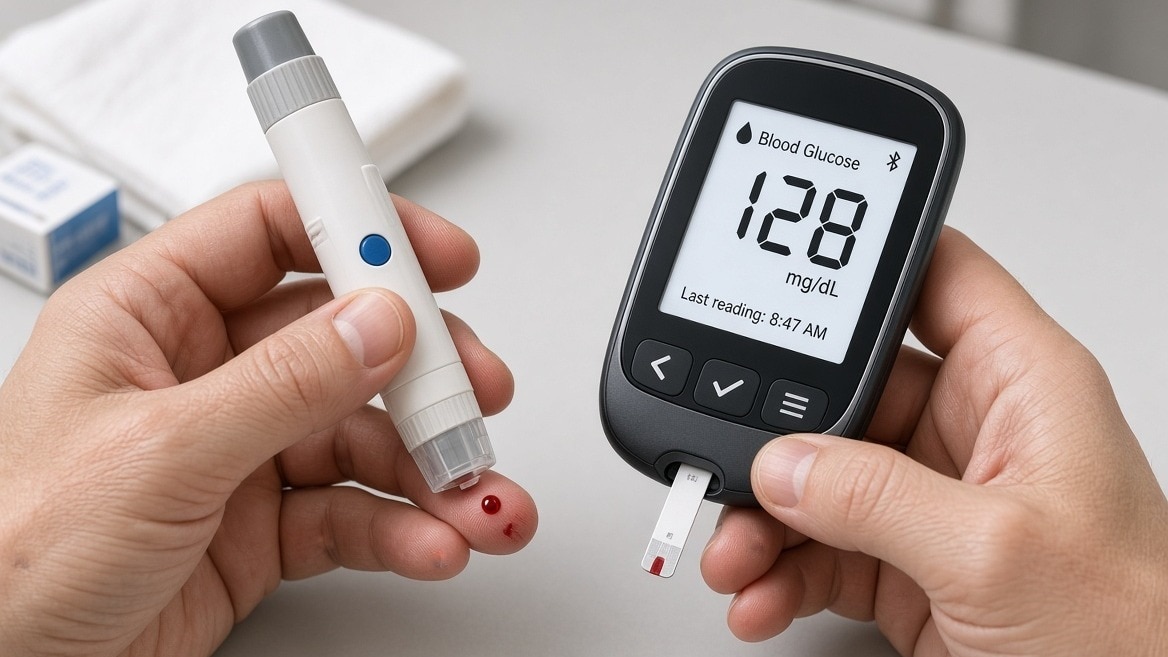
Study finds diabetes complications differ between men and women

Study Finds Diabetes Risks May Differ for Women and Men

Why Heart Disease Symptoms Can Look Different in Women

Minister Urges Human-Centred AI to Expand Healthcare Access
