

3 hrs ago
RBI Tightening Puts India’s Banks and NBFCs to the Test
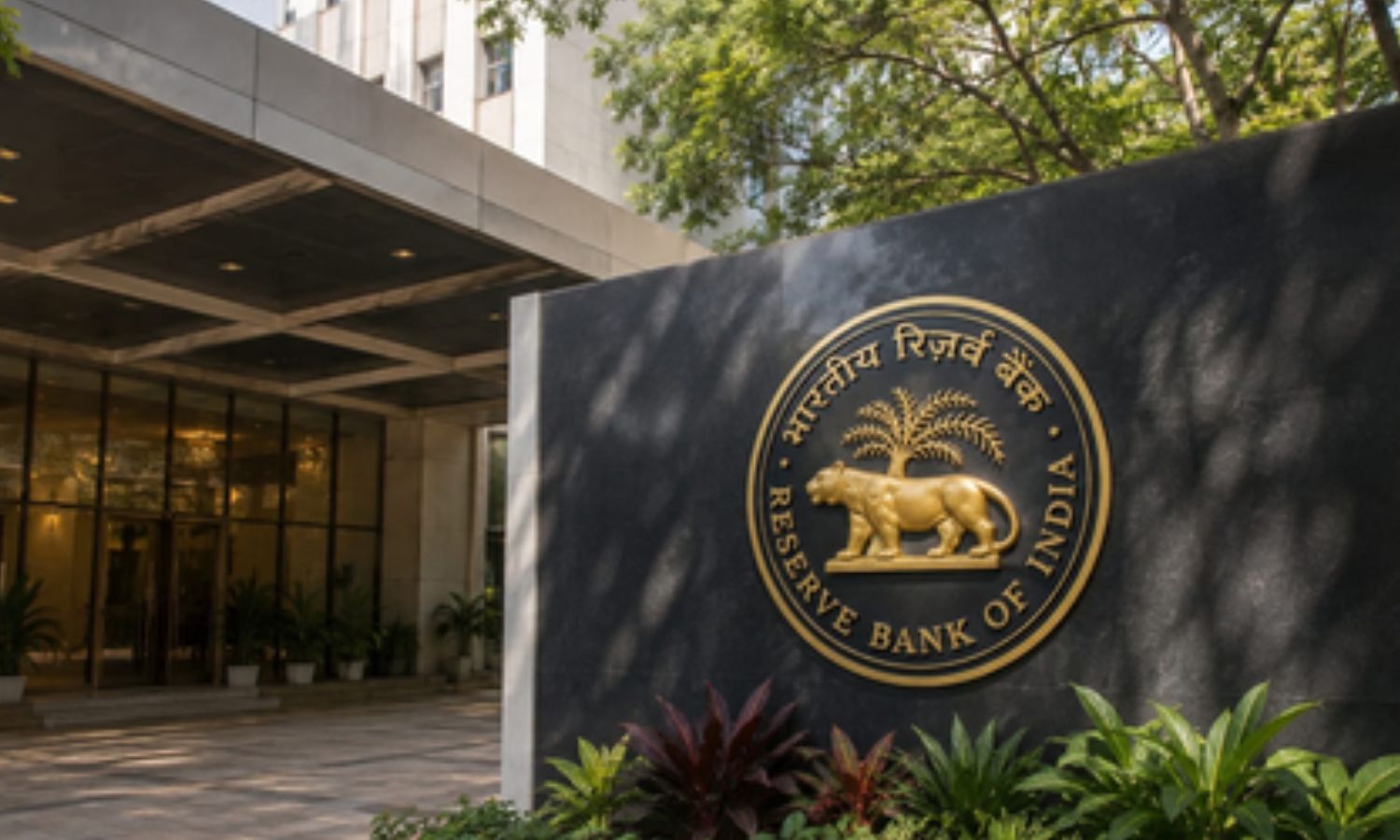
India’s central bank raised the rate banks use as a guide for borrowing and lending.
It also said it plans to keep money conditions tighter for now.
Prices, especially for food and fuel, could rise, while the economy is still growing quickly.
Banks have strong financial cushions, but their costs may rise over time.
Some loans can become more expensive quickly, while the savings deposits banks rely on may cost more only later.
Smaller lenders called NBFCs may face more difficulty if they borrow from only a few sources.
The article says lenders with stronger finances and more ways to raise money may handle the change better.
It is not describing a crisis, but says lenders’ choices over the next few quarters will matter.

On October 7, 2026, the Reserve Bank of India raised the repo rate by 25 basis points to 5.50% and shifted its stance to calibrated tightening.
The RBI cited inflation risks, including elevated crude prices and a deficient monsoon, while raising its FY27 inflation forecast to 5.2%.
Banks enter the cycle with strong capital, liquidity and asset quality, but higher funding costs and bond-price declines could pressure margins.
NBFCs with diversified funding and stronger capital may be better placed; smaller firms reliant on wholesale borrowing face greater cost pressure.
Crisil Ratings projects bank credit growth of 14.5–15.5% this fiscal, with MSME lending expected to grow 23–25%.
- Who
- The Reserve Bank of India, Indian banks, and non-bank financial companies (NBFCs).
- What
- The RBI raised the repo rate by 25 basis points to 5.50% and moved its policy stance from neutral to calibrated tightening.
- Where
- India.
- When
- October 7, 2026.
- Why
- The RBI signalled tighter policy amid rising inflation risks and stronger-than-expected economic growth.
Resilience
Pressure
Banks’ ability to absorb higher rates
Resilience
Banks begin the tightening cycle with strong capital, liquidity and asset quality; faster loan repricing may initially support margins.
Pressure
As deposits reprice and system liquidity is absorbed, funding costs may rise, while higher bond yields can reduce the value of bond holdings.
NBFC funding and profitability
Resilience
Larger, better-capitalised NBFCs have stronger capital ratios, improving asset quality and expanding net interest margins.
Pressure
Smaller NBFCs reliant on wholesale or concentrated funding may have to raise lending rates and risk slower growth, or absorb higher costs and accept thinner profits.
Credit growth outlook
Resilience
Credit is expected to remain healthy, with MSME lending projected to grow 23–25% and overall bank credit 14.5–15.5%.
Pressure
Growth is expected to normalise from elevated levels, while climate risks could moderate agricultural credit and higher costs may weigh on some borrowers.
Key facts
- Repo rate
- Raised by 25 basis points to 5.50%.
- RBI policy stance
- Changed from neutral to calibrated tightening.
- FY27 inflation forecast
- Raised by 20 basis points to 5.2%.
- FY27 GDP growth forecast
- Raised from 6.7% to 7.1%.
- Bank net NPA ratio
- 0.4% in Q1 FY27.
- Projected bank credit growth
- Crisil Ratings estimates 14.5–15.5% for the current fiscal.
- Projected MSME lending growth
- 23–25%, according to the article.
Sources
Related news
RBI Sees No NBFC Asset Quality Concerns, Expects Credit Growth

RBI Raises Repo Rate to 5.50% as Inflation Pressures Broaden
RBI Raises Rates, Signals Further Hikes or a Pause Ahead

RBI Raises Repo Rate to 5.50% as Inflation Risks Grow

RBI Rate Hike Puts Banks’ Margins and Growth in Focus
RBI’s Calibrated Tightening Signals Possible Further Rate Increases

Small Finance Banks Paid More Yet Won Little FCNR(B) Funding

Small Finance Banks’ Profitability Set to More Than Double in FY27

Rabi Crop Risks Put Banks’ Agricultural Loan Books in Focus

IMD Issues Yellow Heatwave Alerts Across Maharashtra Districts
