1 hr ago
Hyderi Manzil: Gandhi’s House of Hope During Independence
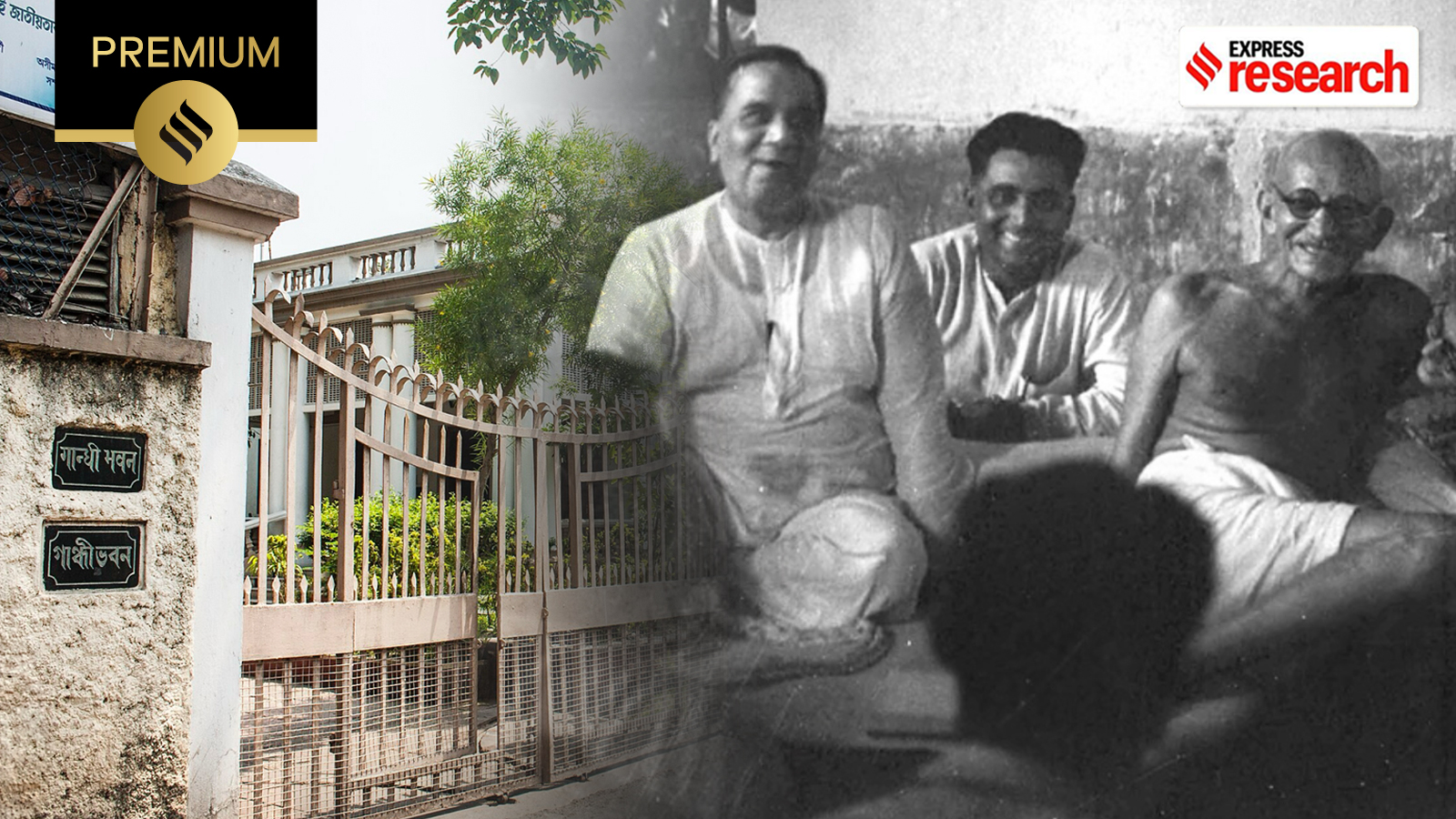
Hyderi Manzil was a large house in Beliaghata, Calcutta.
Mahatma Gandhi stayed there just before and during India’s Independence in 1947.
The city had suffered terrible fighting between Hindus and Muslims.
Gandhi wanted to help stop the fighting and bring people together.
He stayed with Huseyn Suhrawardy, a leader whom many people disliked.
Some angry people threw stones and shouted at Gandhi when he arrived.
Gandhi fasted and held prayers instead of celebrating Independence in the usual way.
On August 15, Hindus and Muslims in Calcutta briefly celebrated together peacefully.
The house is now called Gandhi Bhavan.

Mahatma Gandhi stayed at Hyderi Manzil in Calcutta’s Beliaghata from August 13, 1947, amid communal tension.
He chose the Muslim-dominated neighborhood to help restore peace and lived there with Bengal leader Huseyn Suhrawardy.
Gandhi faced hostile crowds who blamed Suhrawardy and accused him of favoring Muslims over Hindus.
He marked August 15 with a 24-hour fast instead of public celebrations as Hindus and Muslims briefly united in Calcutta.
The house was later renovated and renamed Gandhi Bhavan, preserving its association with the Independence period.
- Who
- Mahatma Gandhi, Huseyn Suhrawardy, and the Hindu and Muslim communities of Calcutta.
- What
- Gandhi stayed at Hyderi Manzil during the weeks surrounding Independence and worked to end communal violence.
- Where
- Hyderi Manzil in Beliaghata, Calcutta, now known as Gandhi Bhavan.
- When
- August 13-15, 1947, with his broader stay continuing through August and September 1947.
- Why
- Gandhi sought to restore peace between Hindus and Muslims amid communal violence surrounding Partition and Independence.
Gandhi’s Peace Strategy
Critics and Angry Crowds
Staying with Suhrawardy
Gandhi’s Peace Strategy
Gandhi believed living with Huseyn Suhrawardy could help both men work together to protect Hindus and Muslims and restore peace.
Critics and Angry Crowds
Many people opposed Gandhi’s decision because they blamed Suhrawardy for failing to control the 1946 Great Calcutta Killing and viewed Gandhi’s association with him with suspicion.
How to mark Independence
Gandhi’s Peace Strategy
Gandhi urged fasting, prayer, and spinning the charkha because Independence also brought Partition and sorrow.
Critics and Angry Crowds
Across Calcutta, many people marked Independence with decorations, flags, patriotic slogans, and joint celebrations by Hindus and Muslims.
Meaning of the August 15 calm
Gandhi’s Peace Strategy
Gandhi hoped the Hindu-Muslim fraternization showed genuine reconciliation and could offer hope for India’s future.
Critics and Angry Crowds
Gandhi himself questioned whether the harmony came from the heart or was only a temporary response to the moment.
Key facts
- Original name
- Hyderi Manzil
- Current name
- Gandhi Bhavan
- Location
- Beliaghata, Calcutta
- Gandhi’s arrival
- August 13, 1947, at about 3 p.m.
- Independence observance
- A 24-hour fast on August 15
- Peace gathering
- About 30,000 people attended a prayer meeting at Rash Bagan Maidan
- House description
- A garden house with Grecian pillars, large windows, rooms on all sides, and a pond
Quotes

C. Rajagopalachari
First governor of West Bengal, speaking about Gandhi’s role in calming Calcutta.
“From tomorrow, we shall be delivered from the bondage of British rule. But from midnight today India will be partitioned too. Tomorrow will be a day of rejoicing; but it will be a day of sorrow as well.”
 indianexpress.com
“Mahatma Gandhi has achieved many things in his lifetime, but I do not think he has achieved anything so great, so grand, as he has achieved in Calcutta.”
indianexpress.com
Sources
Related news
Bengal BJP chief’s Gupta-Jaiswal remarks trigger political row
Retired Professor Alleges Threats After Communal Harmony Appeal
Cabinet Tours Mangaluru Before Meeting With Temple, Memorial Stops
Kolkata Ganesh Puja Pandals Reflect Bengal’s Political and Cultural Shift

Refurbished Gandhi Museum Reopens With Digital Displays in Madurai
Officials Directed to Complete Hyderabad Bapu Ghat Arrangements
India Hosts Iran’s Pezeshkian Ahead of BRICS Summit
Rare Photos Capture Calcutta's First Independence Day, August 15, 1947
India's merchandise exports clock 19.6% growth in July despite headwinds