12 hrs ago
CAPF Leadership Dispute Rekindled by Supreme Court Case and New Law
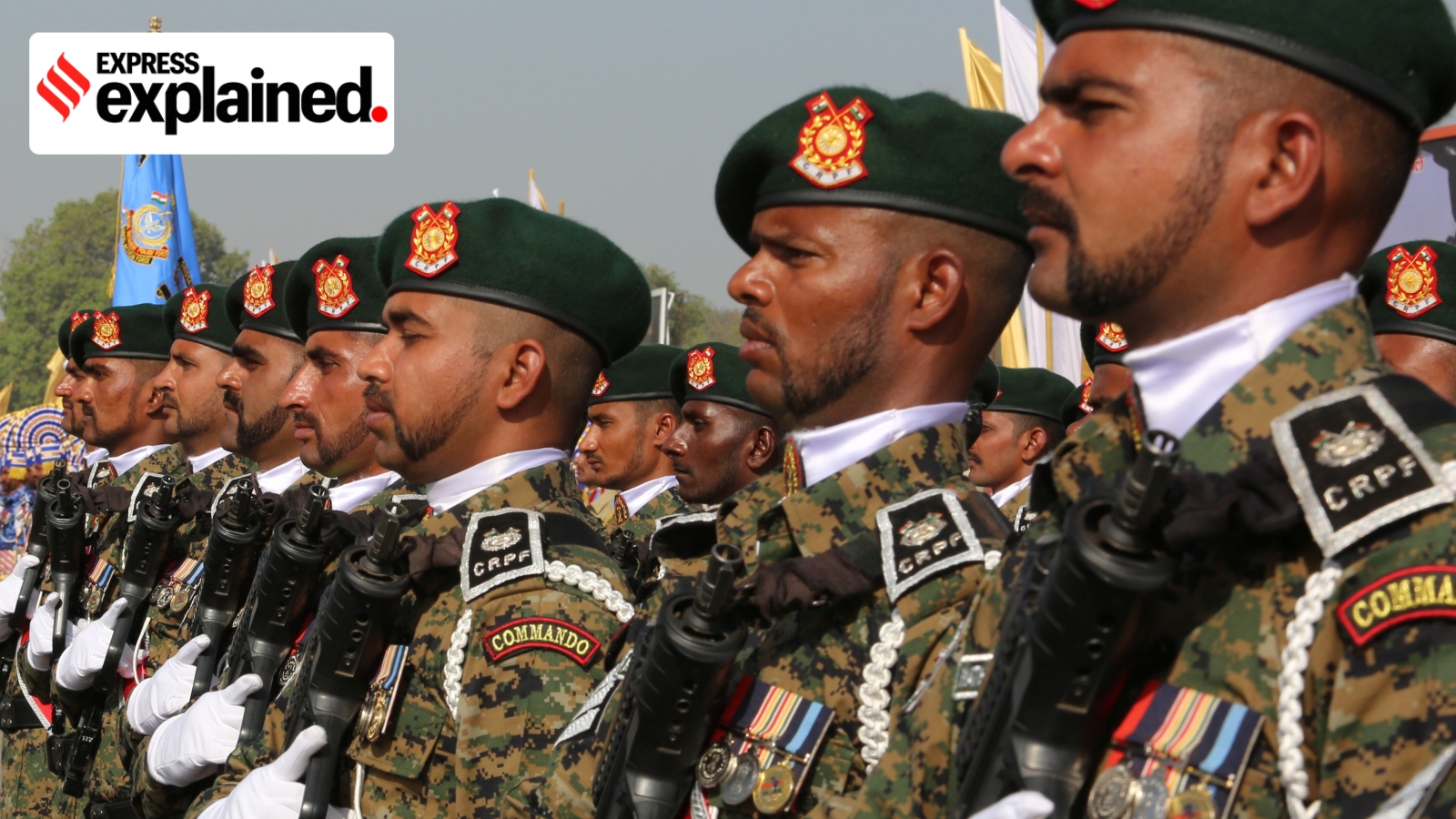
Officers who have worked for years in India’s central security forces want more chances to reach the highest jobs in their own organisations.
They say officers sent temporarily from the police service take up many senior posts and make promotions harder.
The government says those officers help connect the forces with state police and are needed for operational work.
In 2025, the Supreme Court directed the government to review career rules and gradually reduce some deputation posts.
Parliament later passed a law that sets rules for the five forces and keeps many senior jobs open to deputation.
CAPF officers have challenged that law in court.
The court must also consider whether the government followed its earlier order.
Those are now separate but related legal disputes.

CAPF cadre officers say IPS deputation to senior posts limits their promotion opportunities and worsens career stagnation.
A May 23, 2025 Supreme Court judgment ordered a cadre review and progressive reduction of deputation posts up to DIG and IG levels within two years.
The government says IPS officers are needed for operational requirements and coordination between the Centre and state police forces.
A new law establishes a common framework for Group A officers across five CAPFs and preserves substantial deputation at senior ranks.
The Supreme Court proceedings now include contempt petitions over the 2025 judgment and a separate challenge to the new law.
- Who
- CAPF cadre officers, the Union government, and IPS officers involved in deputation.
- What
- A dispute over senior CAPF appointments, promotion opportunities, compliance with a Supreme Court judgment, and a new law governing service rules.
- Where
- The dispute is before the Supreme Court of India and concerns the five Central Armed Police Forces.
- When
- The Supreme Court judgment was issued on May 23, 2025; the new law was passed in early April, and the contempt petitions were listed on September 29 and 30.
- Why
- CAPF officers say deputation limits their advancement, while the government says IPS officers are needed for operational purposes and Centre-state coordination.
CAPF cadre officers and critics
Union government and IPS supporters
Who should hold senior posts
CAPF cadre officers and critics
CAPF officers argue that senior roles should be more accessible to officers who have spent their careers in the forces.
Union government and IPS supporters
The government says IPS deputation is needed for operational requirements and to link the Centre with state police establishments.
Effect of the new law
CAPF cadre officers and critics
CAPF officers and opposition MPs say the law entrenches their disadvantage and seeks to overcome the Supreme Court's 2025 judgment.
Union government and IPS supporters
The government says the law provides a uniform framework for the five forces and preserves deputation needed for operational purposes.
Career stagnation
CAPF cadre officers and critics
CAPF officers say NFFU has not solved stagnation because financial progression remains tied to service rules and actual promotions.
Union government and IPS supporters
The government has argued that the forces' operational role means they should not be treated like ordinary civilian Group A services.
Key facts
- Forces involved
- CRPF, BSF, CISF, ITBP and SSB
- Earlier deputation rules
- Before the new law, rules provided for 20% of DIG posts and 50% of IG posts to be filled through deputation.
- Supreme Court direction
- The May 23, 2025 judgment directed a cadre review and progressive reduction of deputation posts up to Senior Administrative Grade within an outer limit of two years.
- New law's senior-post provisions
- 50% of IG posts and at least 67% of Additional DG posts are to be filled through deputation; all Special DG and DG posts are to be filled through deputation.
- New law's scope
- It creates an umbrella framework for Group A officers in the five CAPFs and authorises the Centre to frame service rules.
- Proceedings
- The cases include contempt petitions over the 2025 judgment and a separate challenge to the new law.
Sources
Related news

Supreme Court Questions Shift Of CAPF Contempt Pleas
CRPF DIG B C Patra Reinstated After Centre’s Approval

Bhopal Power Corridors See Transfers, Turf Battles And Publicity

Gujarat Paramilitary Veterans Allege Discrimination Over Liquor Quotas
Supreme Court Stays Reinstatement in IAS Dog-Walk Row
Supreme Court Rebukes Maharashtra Official in Contempt Proceedings
Tamil Nadu Plans Supreme Court Challenge in Kavin Case
237 Madhya Pradesh Deemed Environment Permissions Face Supreme Court Scrutiny
Mentorship and Practical Training Could Shape Legal Profession
BJP Counters Opposition Campaign Over Election Commission and SIR
Buddhist Activist Challenges Full Vande Mataram Singing Orders