1 day ago
Iran War and El Niño Could Push Fuel Subsidies Past $1 Trillion
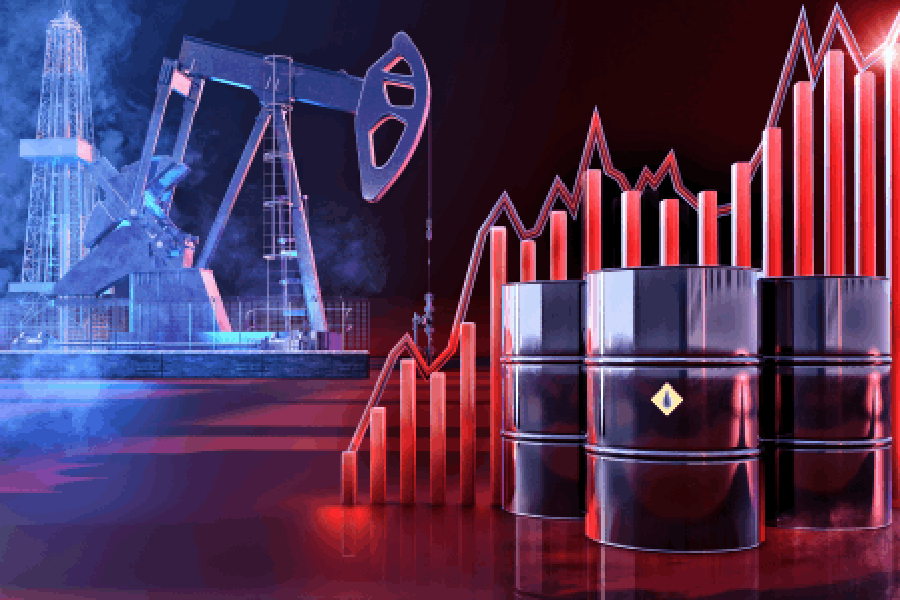
A United Nations study says governments may spend more than $1 trillion this year helping people cope with fuel costs.
The Iran war has added pressure to energy prices.
Governments are also paying more to borrow money, making it harder to afford support.
A strong El Niño could bring floods or droughts and make food shortages worse.
Many more countries started using price controls, subsidies or tax cuts between April and September.
Without this help, about 130 million more people could have fallen below a poverty measure.
The study says these problems may be strongest in early 2027.
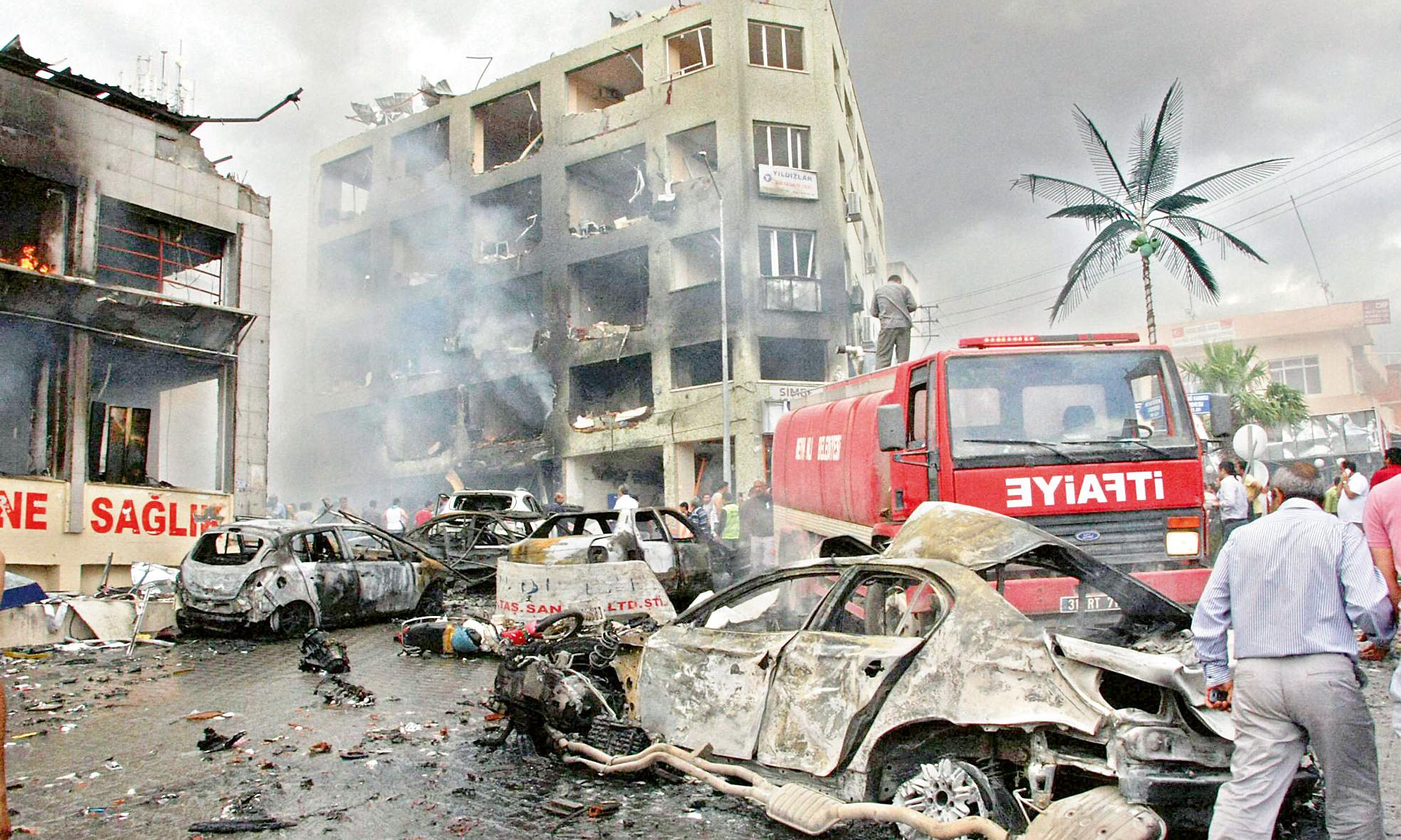
In September, energy prices were linked to protests in at least 10 countries.

A UNDP study says global fuel subsidies could exceed $1 trillion this year as governments try to shield consumers from higher energy prices.
The Iran war, higher borrowing costs and a potentially strong El Niño are making price controls, subsidies and tax reductions harder to sustain.
The number of countries using relief measures nearly doubled between April and September, according to the analysis.
Without relief, an estimated 130 million additional people could have fallen below the $6.85-a-day poverty threshold this year.
The combined pressures are projected to peak in early 2027; higher energy prices were linked to unrest in at least 10 countries in September.
- Who
- Governments worldwide and the United Nations Development Programme (UNDP); the report quotes UNDP chief economist George Gray Molina.
- What
- A UNDP study warns fuel subsidies could exceed $1 trillion this year as governments face pressure from energy costs, borrowing costs and weather risks.
- Where
- Worldwide; the report cites unrest in at least 10 countries, including Syria, Guatemala, the Philippines, France and Portugal.
- When
- The estimate is for this year; the combined pressures are projected to peak in early 2027. Relief-measure data compare April and September.
- Why
- Governments are trying to cushion consumers from higher energy and food costs amid the Iran war, elevated borrowing costs and potential El Niño-related disruption.
Reasons to maintain consumer relief
Fiscal pressures limiting relief
Protecting households from rising costs
Reasons to maintain consumer relief
The UNDP estimated that without relief measures, an additional 130 million people could have fallen below the $6.85-a-day poverty threshold this year.
Fiscal pressures limiting relief
The report says higher borrowing costs and energy prices are straining public finances and making support measures harder to sustain.
Managing food and energy risks
Reasons to maintain consumer relief
Price controls, subsidies and tax reductions are being used to limit the impact of higher energy and food prices.
Fiscal pressures limiting relief
The report warns that El Niño-related floods and droughts could worsen food insecurity while governments are already facing financial pressure.
Key facts
- Projected fuel subsidy cost
- More than $1 trillion this year
- People potentially pushed below poverty threshold without relief
- An additional 130 million
- Poverty threshold cited
- $6.85 per person per day
- Countries using relief measures
- The number nearly doubled between April and September
- Projected peak of combined pressures
- Early 2027
- Unrest linked to higher energy prices
- Reported in at least 10 countries in September
- UNDP survey of country offices
- 25 of 26 offices expected the Middle East crisis to remain or become a greater priority over the next six months; all respondents anticipated further deterioration before improvement
Quotes
George Gray Molina
UNDP chief economist
“The horizon over the next few weeks and months is uncertain because we don’t see a very clear pathway out of the three-pronged crisis”
 telegraphindia.com
Sources

Related news

Europe Rolls Out Relief Plans As Wars Raise Energy Costs

Iran War Drives $107 Billion in Extra U.S. Fuel Costs

Iran War Costs Exceed $38 Billion, CBO Reports

Reported Iran War Costs Reach $45.1 Billion, Exceeding Estimates
Jaishankar Warns Global South Faces Energy and Food Crisis
Iran War Costs Drive Inflation, Oil Prices and Mortgage Rates

flydubai Co-Pilot Accused in Cockpit Attack; Syria Past Unclear

Flydubai Co-Pilot Suspect Linked to Extremist Images

Reports Detail Alleged Radicalisation Before Flydubai Cockpit Attack

Syrian students trapped between Druze leaders and Damascus