1 week ago
Pakistan Faces Crackdown Threat as Opposition Fights On
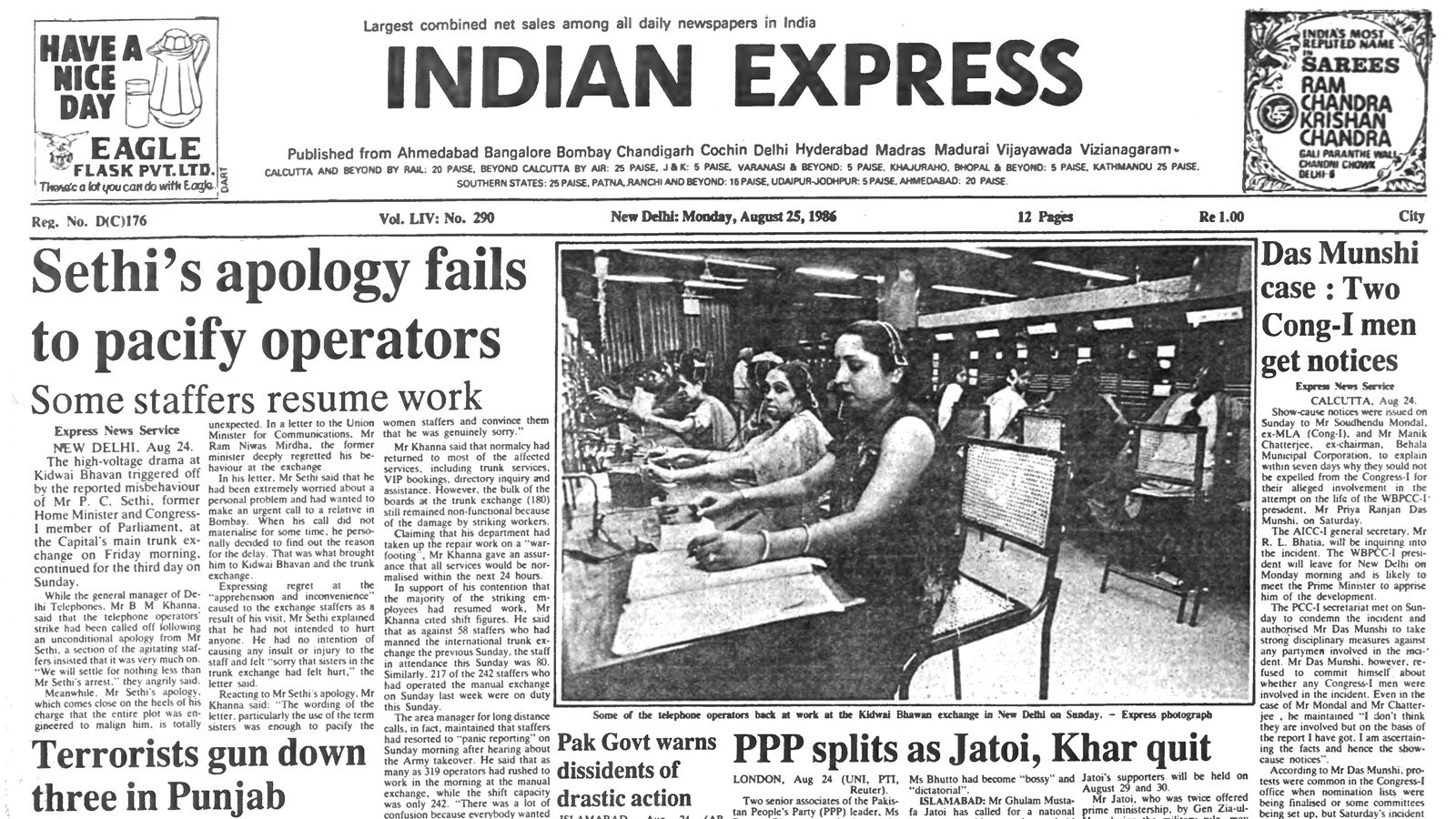
Pakistan’s government warned opposition groups that it might take very strong action.
The opposition wanted President Zia-ul-Haq removed and early elections held.
Its leaders said they would not stop their campaign.
Officials said Pakistan was calm and that no fighting had occurred between protesters and security forces.
Two former provincial leaders also broke away from Benazir Bhutto’s party to create a rival group.
In Punjab, suspected terrorists killed three people and robbed a petrol station.
Police and the Central Reserve Police Force searched the area.
India was fined after boycotting the Commonwealth Games.
India had protested Britain’s refusal to impose broad economic sanctions on South Africa.

Pakistan’s government threatened “drastic action” unless opposition groups ended efforts to remove President Zia-ul-Haq and seek early elections.
The Movement for the Restoration of Democracy said it would continue its campaign, while officials reported no clashes.
Former provincial leaders Ghulam Mustafa Jatoi and Ghulam Mustafa Khar planned a rival party after criticizing Benazir Bhutto’s leadership.
Suspected terrorists killed three passengers and robbed a petrol pump in separate incidents across Punjab.
India was ordered to pay £245,000 after boycotting the Commonwealth Games over Britain’s policy toward South Africa.
- Who
- Pakistan’s government, President Zia-ul-Haq, the Movement for the Restoration of Democracy, Benazir Bhutto’s political associates, suspected terrorists, and India.
- What
- The government threatened a crackdown, opposition figures planned a rival party, three people were killed in Punjab, and India was fined for a Commonwealth Games boycott.
- Where
- The political developments occurred in Pakistan, the killings occurred in Punjab including near Budhsinghwala in Faridkot district, and the rival-party convention was planned for Lahore.
- When
- The reports were dated August 25, 1986; the Punjab killings occurred during the preceding 24 hours.
- Why
- The opposition sought to oust Zia-ul-Haq and force early elections; Bhutto’s former allies objected to her leadership; India boycotted the Games to protest Britain’s policy toward South Africa.
Government and Leadership Positions
Opposition and Boycott Positions
Pakistan’s political future
Government and Leadership Positions
The Pakistani government threatened strong action to stop efforts to remove President Zia-ul-Haq and force early elections.
Opposition and Boycott Positions
The Movement for the Restoration of Democracy said it would continue its campaign for Zia-ul-Haq’s removal and early elections.
Benazir Bhutto’s leadership
Government and Leadership Positions
Benazir Bhutto remained the leader of the Pakistan People’s Party.
Opposition and Boycott Positions
Ghulam Mustafa Jatoi and Ghulam Mustafa Khar accused Bhutto of being an autocrat out of touch with the people and planned a rival party.
Commonwealth Games boycott
Government and Leadership Positions
The Games’ organizers or officials imposed financial penalties over the boycott, including a £245,000 charge for India.
Opposition and Boycott Positions
India and other boycotting entrants protested Britain’s refusal to impose wide-ranging economic sanctions against South Africa.
Key facts
- Pakistan government warning
- Officials threatened “drastic action” if opposition groups continued their campaign.
- Opposition movement
- The Movement for the Restoration of Democracy demanded Zia-ul-Haq’s removal and early elections.
- Rival Pakistani party
- Ghulam Mustafa Jatoi and Ghulam Mustafa Khar planned to launch a new party in Lahore.
- Punjab deaths
- Three passengers were reportedly shot by suspected terrorists near Budhsinghwala.
- Police response
- Police and the Central Reserve Police Force began combing operations.
- India’s fine
- India was asked to pay £245,000, approximately Rs 4.4 million, for boycotting the Commonwealth Games.
- Wider boycott penalties
- The 32 participating entrants who boycotted the Games were reportedly asked to pay £2.7 million.
Sources
Related news
40 Years Ago: Badal, Tohra Arrested in 1986 News Roundup
South Africa Fund, India-Pakistan Talks, Tripura Inquiry, Cricket Changes
Shehbaz Sharif's PML-N Calls PoK Protesters 'Patriots' in U-Turn
August 21, 1986: Rural Plan, Pakistan Protests and Regional Conflict
Shehbaz Sharif Threatens Direct Response Over Indus Treaty Suspension
PoK Group Calls Pakistan's Independence Day 'Black Day'