1 hr ago
India's Washington Lobbying Gaps Threaten Protection From Russia Tariffs
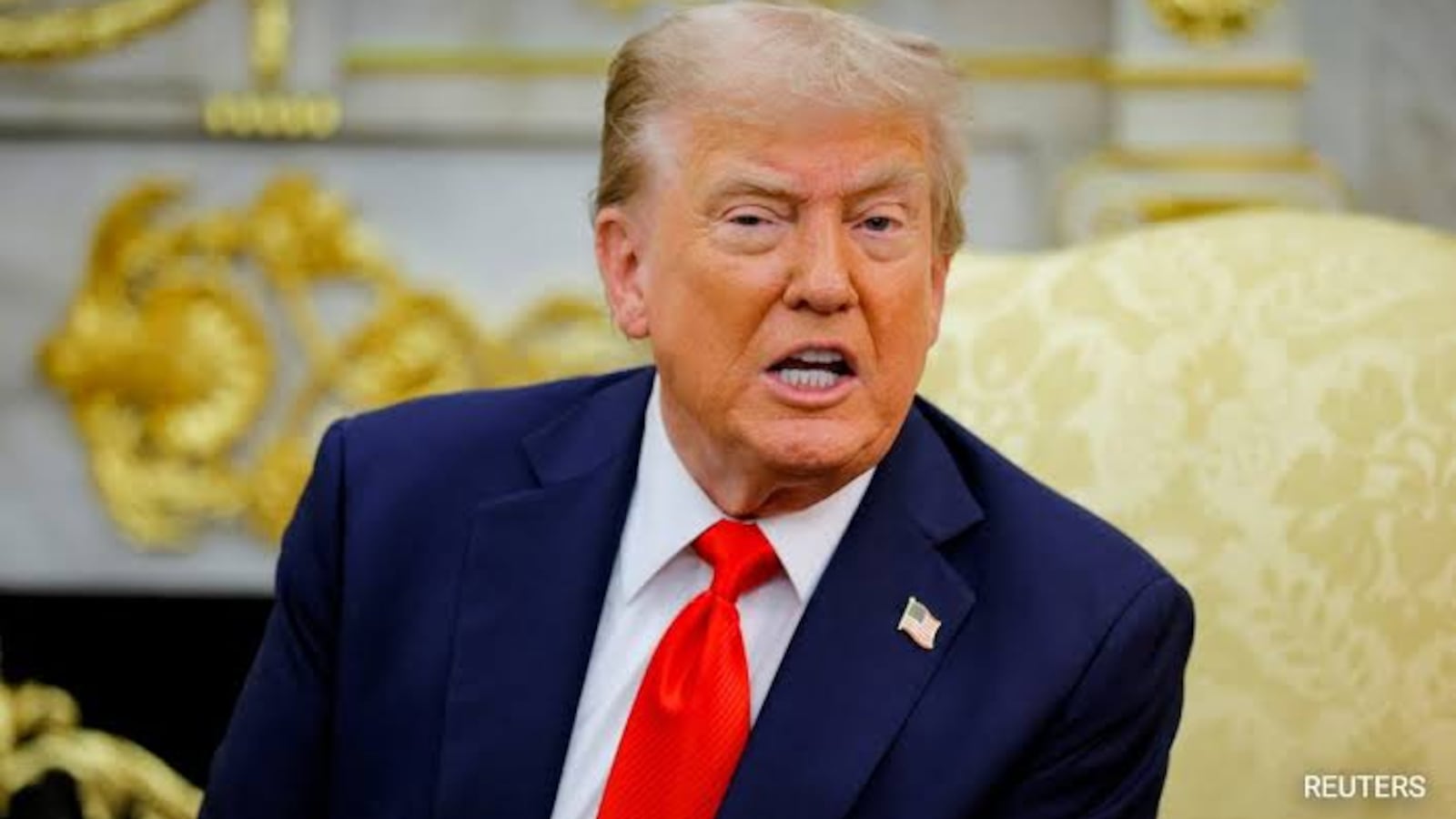
A proposed U.S. law could let the president put tariffs of up to 100% on India because India buys Russian energy.
The article argues that India did not work enough with members of the U.S. Congress.
India instead spent much of its effort negotiating with the White House over trade.
Several lobbying companies that previously worked on India-related issues have stopped doing so.
This left India with fewer supporters when it needed help.
Other countries worked with both Congress and the executive branch to obtain exemptions or assurances.
Congress will be away when the first possible duties become due.
The author says India should build stronger and earlier relationships with lawmakers.

The 2026 Russia sanctions act gives the U.S. president authority to impose tariffs of up to 100% on India.
The article says India’s lobbying presence in Washington has shrunk from several firms to Mercury Public Affairs alone.
India focused heavily on executive-level trade negotiations while reducing bill-specific engagement with Congress.
Other countries, including Hungary, Japan and South Korea, used lobbying and diplomatic engagement to secure exemptions or assurances.
India has less than two weeks to seek support before potential duties take effect, while Congress is in recess.
- Who
- India, the United States, Congress, and countries targeted under the Russia sanctions act.
- What
- The act could authorize tariffs of up to 100% on India, while the article argues that India’s reduced congressional lobbying has weakened its ability to seek an exemption.
- Where
- Washington, including the U.S. Congress and executive branch.
- When
- The act is described as being passed in 2026; the first duty could fall due in mid-October, with a 180-day reassessment afterward.
- Why
- India is among the major importers of Russian energy, and the article says its lobbying strategy focused too narrowly on executive-level trade negotiations.
Executive-Focused Strategy
Congressional Engagement Strategy
Where India should concentrate its efforts
Executive-Focused Strategy
India prioritized prolonged trade-deal negotiations and engagement with the executive branch, apparently judging that Congress had limited influence under unified Republican control.
Congressional Engagement Strategy
The article argues that India needed sustained, bill-specific outreach to senators, representatives and congressional staff, alongside executive engagement.
How to respond to Russian-energy concerns
Executive-Focused Strategy
India’s position was that its Russian energy imports should be viewed as an energy necessity caused by the Iran war rather than as a policy choice.
Congressional Engagement Strategy
The article says India lacked enough congressional allies, public support and political capital to secure that position in the legislation.
Key facts
- Potential tariff authority
- Up to 100% on India under the Lindsey O. Graham Sanctioning Russia and Iran Act of 2026.
- India’s lobbying presence
- The article says India’s paid congressional operation shrank from a multi-firm network to Mercury Public Affairs alone.
- Former congressional firms
- Cornerstone Government Affairs ended its engagement in early 2025, while BGR Government Affairs ended its engagement in December.
- Executive lobbying
- India terminated its contract with SHW Partners in June 2026, according to the article.
- Target-country buffer
- The act gives targeted countries 30 days to reduce their imports.
- Congressional timetable
- The House is adjourned until after the November 3 elections, and the Senate is scheduled to begin recess on October 2.
- Review mechanism
- The United States Trade Representative is tasked with reassessing target countries after the first 180 days and periodically thereafter.
Sources
Related news
India Rejects US Pressure Over Russian Oil Purchases
Russia Sanctions Bill Gives Trump Leverage in India Trade Talks

India Rejects US Tariffs as Russia Sanctions Law Takes Effect
India Warns US Sanctions Bill Could Strain Ties
US House Passes Russia Sanctions Bill With India Tariff Risk
US Sanctions Bill Puts India, China Under Russian Oil Pressure
Neeru Dhanda Wins Asian Games Trap Gold After Illness

Nikhil Kamath Urges India to Export Culture Alongside Products

Japan’s Alleged Tomb of Christ Reflects a Local Legend

Aditi Ashok Leads India Into Star-Studded Asian Games Golf