

4 hrs ago
JSW Bets ₹2,000 Crore on Electric Commercial Vehicle Expansion

JSW Group wants to make electric trucks and buses in India.
It plans to spend ₹2,000 crore on this new business.
Its first factory will be built in Chhatrapati Sambhajinagar.
The factory is expected to make 15,000 vehicles each year.
JSW eventually wants to produce up to one lakh electric trucks annually around 2030.
Electric trucks cost much more to buy than diesel trucks.
However, JSW says they can save money because electricity may cost less than diesel during heavy use.
The company plans to use its own industrial sites to test and operate some of the vehicles.

JSW Group plans to invest ₹2,000 crore in electric trucks and buses.
Its first 90-acre plant in Chhatrapati Sambhajinagar will produce 15,000 vehicles annually.
JSW aims to become one of India’s top two or three commercial vehicle makers.
The company targets electric truck production capacity of up to one lakh vehicles annually by around 2030.
JSW says electric trucks could lower total ownership costs despite much higher purchase prices.
- Who
- JSW Group, led by Chairman Sajjan Jindal, and its electric-vehicle unit JSW Greentech.
- What
- A ₹2,000-crore entry into electric commercial vehicles, including trucks and buses.
- Where
- The initial 90-acre factory will be located in Chhatrapati Sambhajinagar, India.
- When
- The plans were published on September 22, 2026, with production targeted to scale by around 2030.
- Why
- JSW sees an opportunity in the shift to electric vehicles, potential operating-cost savings, and reducing India’s dependence on imported oil.
JSW’s Electric-Vehicle Case
Commercial and Competitive Challenges
Operating economics
JSW’s Electric-Vehicle Case
JSW argues that electric trucks can offset their higher purchase price through lower operating costs, especially because heavily used trucks consume large amounts of diesel.
Commercial and Competitive Challenges
Electric trucks cost approximately ₹85-88 lakh compared with about ₹25 lakh for diesel trucks, creating a substantial upfront-price gap.
Market entry
JSW’s Electric-Vehicle Case
Sajjan Jindal says electrification gives a newcomer an opening because established manufacturers may be slower to move away from technologies in which they have already invested.
Commercial and Competitive Challenges
JSW is entering a market dominated by established truck manufacturers and acknowledges that it must master an industry where it has limited legacy experience.
Expansion strategy
JSW’s Electric-Vehicle Case
JSW plans to combine organic growth with acquisitions to reach a top-two or top-three position in India’s commercial vehicle market.
Commercial and Competitive Challenges
Its first plant will produce only 15,000 vehicles annually, while reaching the longer-term target of up to one lakh trucks annually will require significant expansion.
Key facts
- Investment
- ₹2,000 crore
- Initial factory
- A 90-acre facility in Chhatrapati Sambhajinagar
- Initial annual capacity
- 15,000 vehicles: 10,000 electric buses and 5,000 electric trucks
- Long-term target
- Up to one lakh electric trucks annually by around 2030
- First truck
- A 55-tonne tractor-trailer
- Cost comparison
- Heavy diesel trucks cost about ₹25 lakh, compared with approximately ₹85-88 lakh for electric equivalents
- Targeted savings
- JSW Greentech is targeting a 15-20% reduction in total cost of ownership
Quotes

Sajjan Jindal
Chairman of JSW Group
“Once we as JSW Group get into that area, then we would also want to be one of the largest players, among the top two or three in the market.”
 thehindubusinessline.com
“There will be challenges. There will be difficulties. But once we jump into the ocean, we have no option but to swim.”
thehindubusinessline.com
Sources
Related news
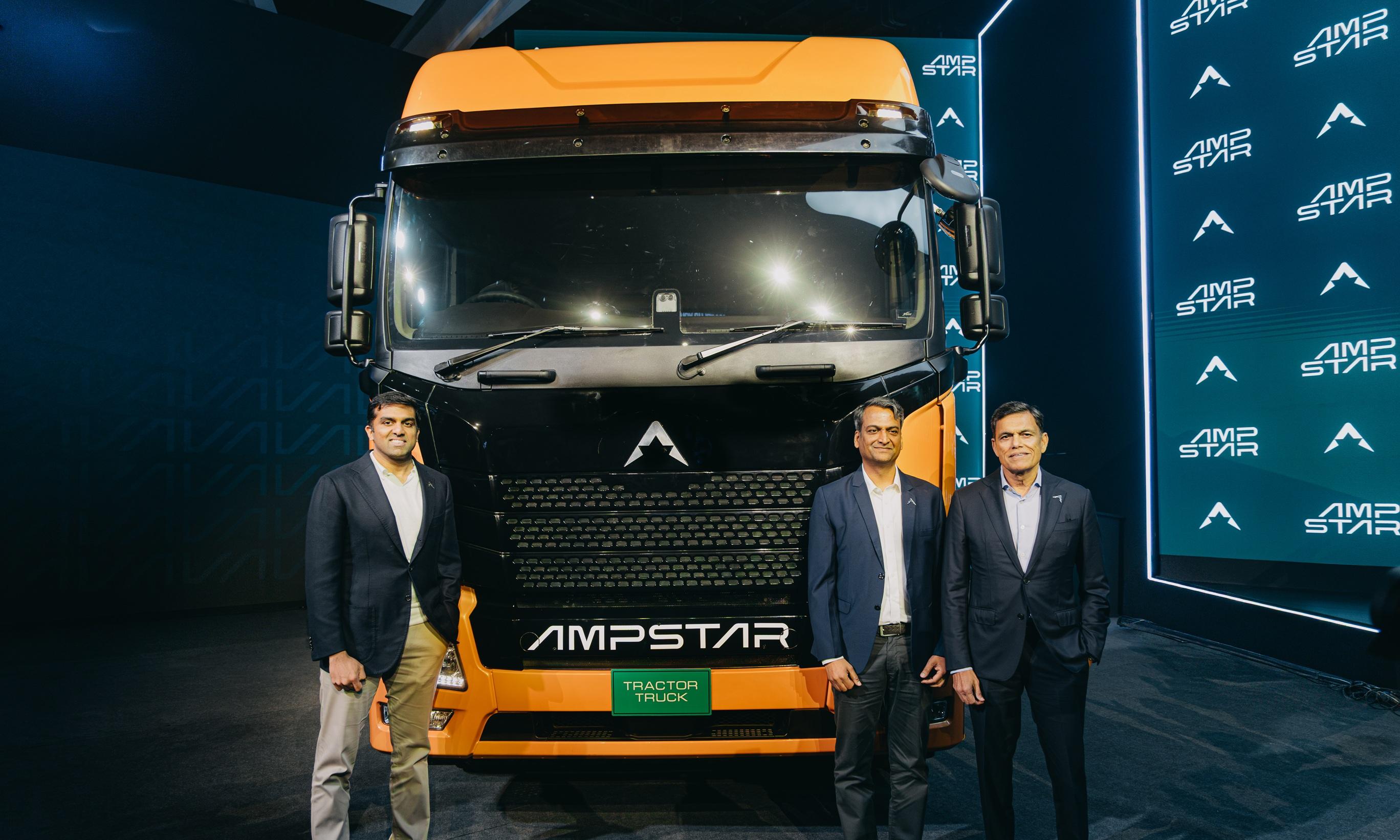
JSW Greentech Enters Electric Commercial Vehicle Market With Ampstar
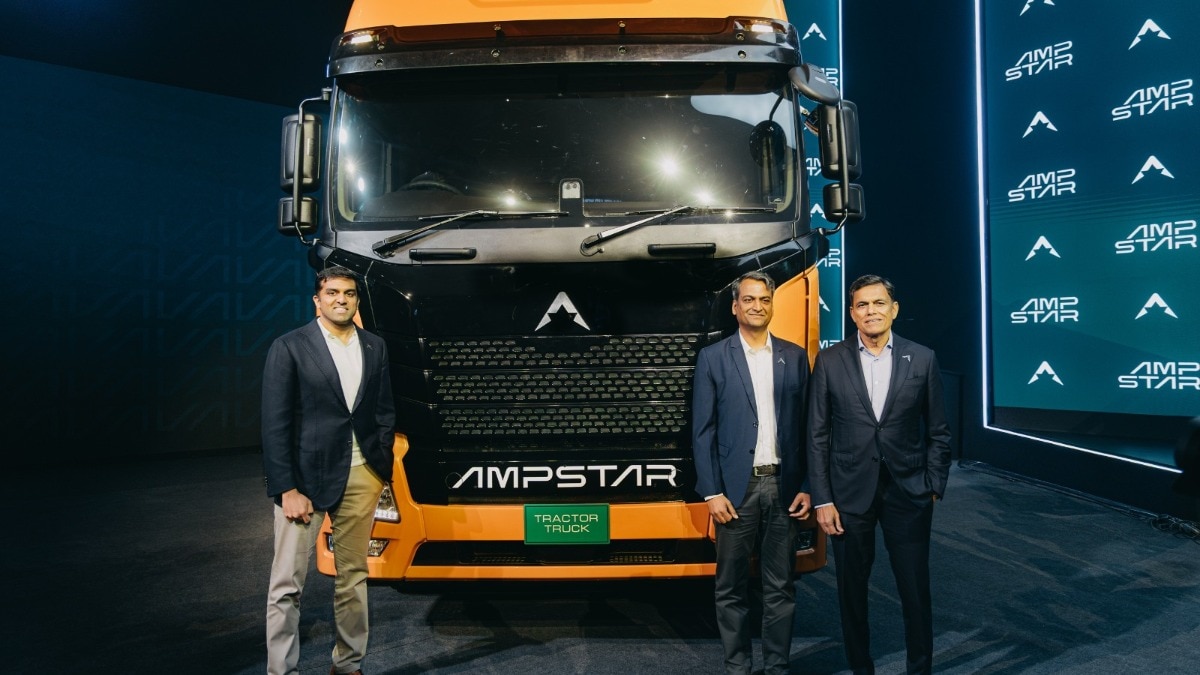
JSW Enters India’s Electric Truck and Bus Market

JSW Launches Financing Arm to Accelerate Electric Truck Adoption
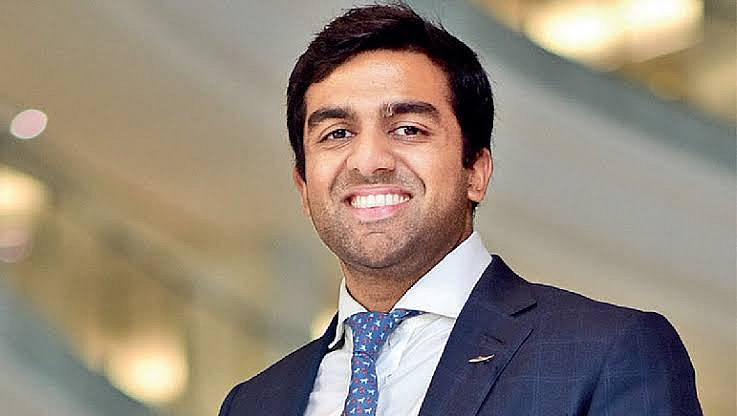
Parth Jindal Named Chairman as JSW MG Pursues Expansion

JSW Combat SUV Targets Diwali 2026 India Debut

JSW MG Plans ₹6,000 Crore Halol Expansion, Seeks Further Capital

Jindal Steel Earns Guinness Recognition for World’s Longest Slag Road
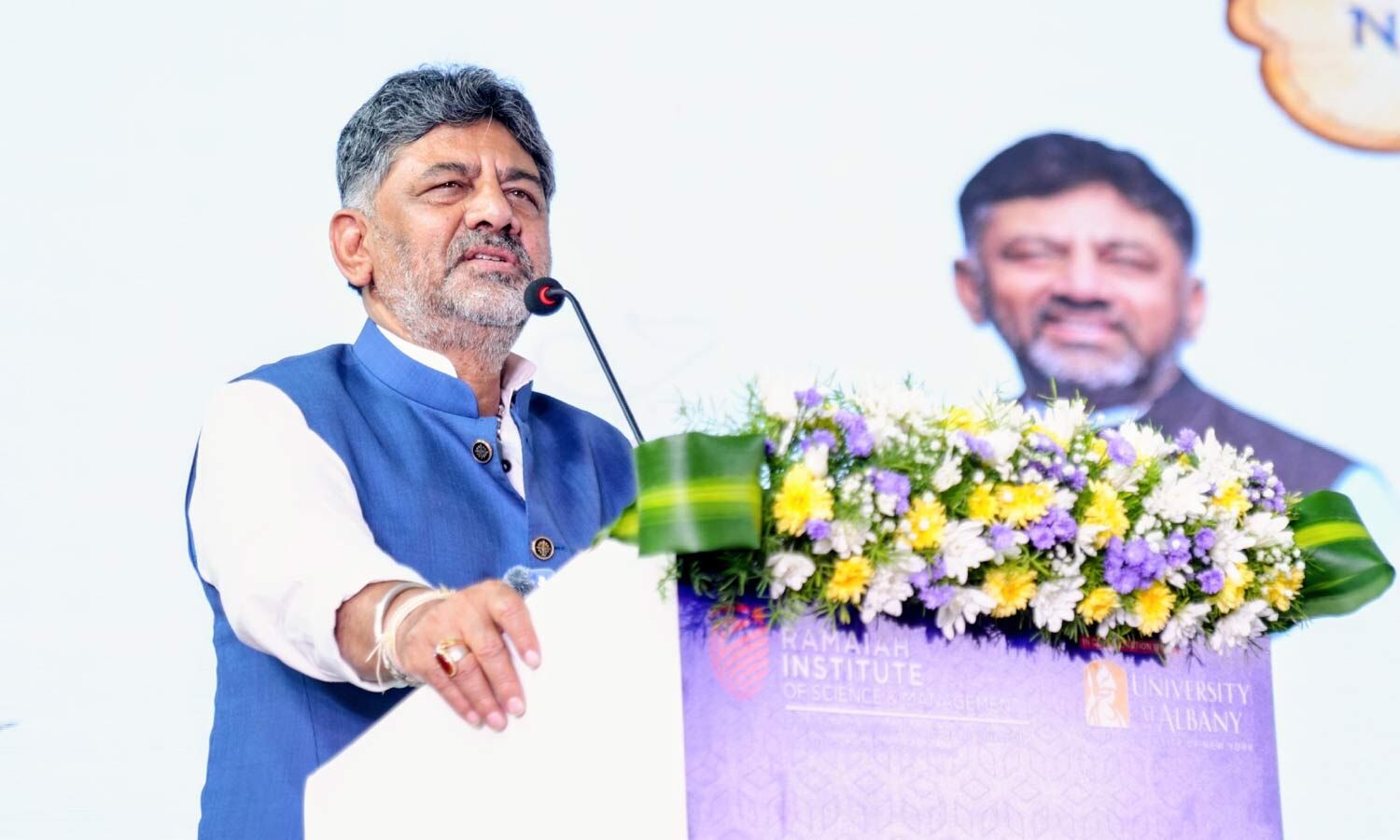
Congress-ruled States Plan New Education Policy for Youth
