3 days ago
US Court Allows Warrantless Manual Phone Searches at Airports

A US appeals court said border officers can look through a traveler’s phone by hand without first getting a warrant.
They also do not need to have a specific suspicion about the traveler.
The court said airports are treated like international borders for searches.
It considered a phone to be a kind of property that officers can inspect at the border.
The case involved Chinwendu Alisigwe, whose phone was searched at John F. Kennedy International Airport.
Officers asked him to unlock the phone, viewed photos, and photographed information, including a WhatsApp message.
The court said an earlier Supreme Court decision about phone searches during arrests did not change border-search rules.
The ruling only covers ordinary manual searches.
It did not decide whether more advanced searches that analyze phone data elsewhere need reasonable suspicion.

The Second Circuit ruled that CBP officers may manually search phones at borders and airports without warrants or probable cause.
The court said airports are the functional equivalent of international borders and phones are treated as property.
The ruling followed searches of lawful permanent resident Chinwendu Alisigwe’s phone at John F. Kennedy International Airport.
The court rejected reliance on a 2014 Supreme Court decision providing greater phone privacy during arrests.
The decision applies to manual searches but does not resolve whether forensic, off-site phone analysis requires reasonable suspicion.
- Who
- The US Court of Appeals for the Second Circuit, Customs and Border Protection officers, and Chinwendu Alisigwe.
- What
- The court ruled that manual cellphone searches at borders and airports can occur without a warrant or probable cause.
- Where
- At US international borders and airports, including John F. Kennedy International Airport in New York.
- When
- The ruling was issued on September 17.
- Why
- The court treated airports as the functional equivalent of international borders and mobile phones as property subject to routine border searches.
Border Search Authority
Traveler Privacy
Need for prior suspicion
Border Search Authority
The court held that routine border-search rules allow manual phone searches without a warrant, probable cause, or reasonable suspicion.
Traveler Privacy
Alisigwe challenged the searches, and the dispute raised concerns about privacy when officers inspect personal phone contents.
Relevance of phone privacy precedent
Border Search Authority
The court said the 2014 Supreme Court ruling on phone searches during arrests involved a different legal exception and did not change border-search rules.
Traveler Privacy
The argument against the searches relied on the Supreme Court’s recognition that mobile phones can receive greater privacy protection.
Scope of government access
Border Search Authority
The ruling permits manual inspection of a phone at a border or airport.
Traveler Privacy
The court left open whether more intrusive forensic searches, including off-site data analysis, should require reasonable suspicion.
Key facts
- Ruling body
- US Court of Appeals for the Second Circuit
- Date
- September 17
- Search type covered
- Manual cellphone searches
- Required suspicion
- No warrant, probable cause, or reasonable suspicion is required under the ruling
- Case subject
- Chinwendu Alisigwe, a lawful permanent resident
- Airport
- John F. Kennedy International Airport in New York
- Unresolved issue
- Whether sophisticated forensic or off-site data analysis requires reasonable suspicion
Sources
Related news

Indian Tourists Report Increased Scrutiny at US Airports
Digital Boarding Passes Simplify Immigration At Indian Airports
US Airport Security Plans Gate Access, Water Bottle Changes

Indian-Origin American Claims Detention After Returning From Greenland Holiday

High Court Upholds Abhishek Banerjee’s Overseas Travel for Treatment

Bangladeshi National Arrested Over Alleged Mobile Theft in Kolkata

Meta AI Chief Apologises After Joking About Muse Flight Booking

Mumbai Man Loses ₹94 Lakh in Fake Stock Trading Scam

PIB Debunks Fake Free Laptop Scheme Applications Claim

Police Arrest Two Accused in Digital Arrest Gold Extortion
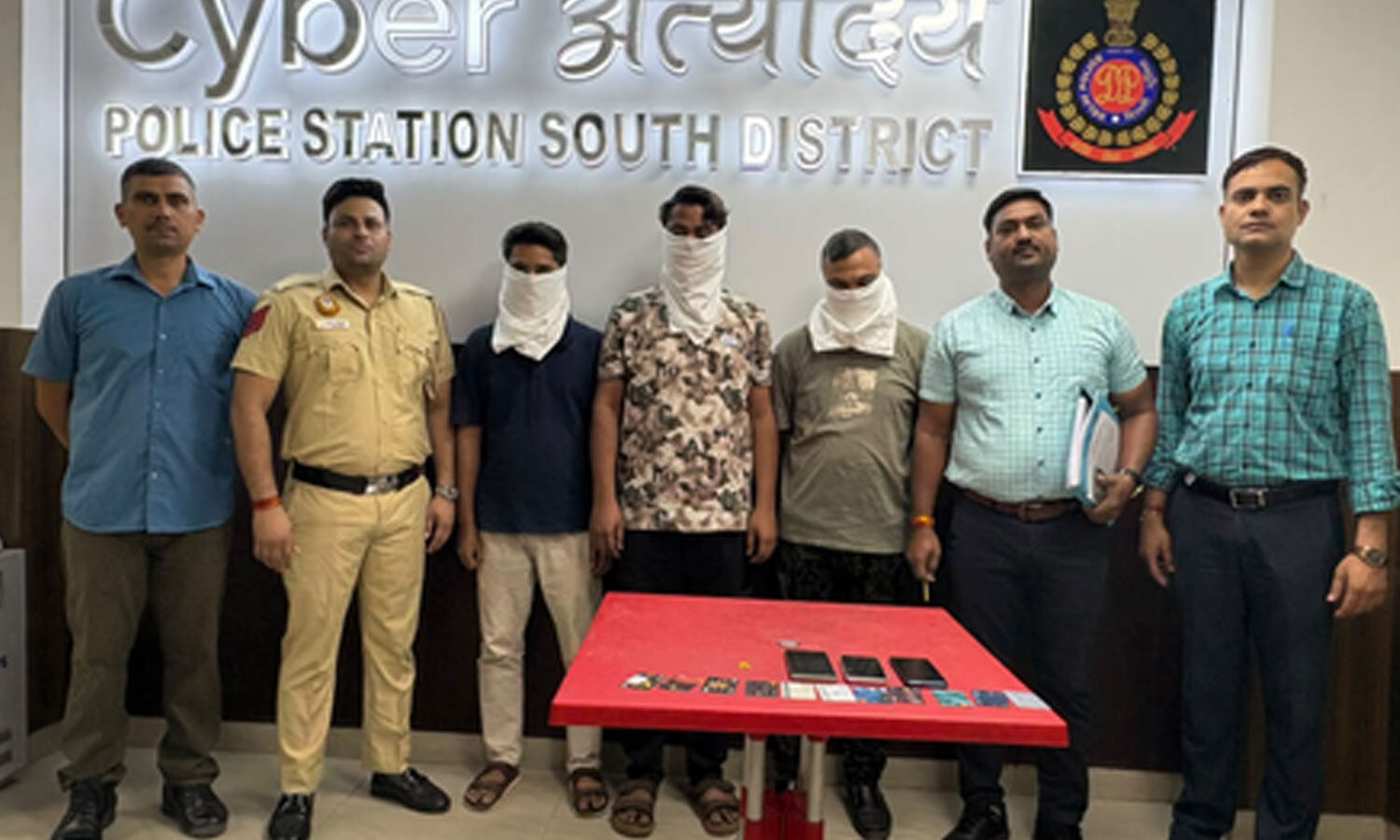
Delhi Police Arrest Three in Ahmedabad over Alleged APK Cyber-Fraud