3 hrs ago
UNICEF Report Highlights Pakistan’s Widespread Online Abuse of Children

A UNICEF report says many children in Pakistan experienced sexual abuse online.
The report estimates that about 1.5 million children were affected in one year.
Abusers may first act like friends while chatting or playing games.
They may later ask children for private pictures or threaten them.
Many children stay silent because they feel ashamed or fear their families’ reactions.
Most children surveyed did not tell anyone about what happened.
Pakistan’s government already has laws against technology-related crimes involving children, but some experts say the laws are not properly enforced.
Punjab has proposed stopping children under 16 from using social media, but digital-rights advocates say this could be difficult and could limit children’s freedom of expression.

UNICEF estimates that about 1.5 million children in Pakistan experienced online sexual abuse in one year.
About 85% of perpetrators targeting children aged 12 to 17 were known to their victims.
Seventy-one percent of victims did not disclose the abuse, and none surveyed reported it through formal channels.
Online grooming can involve gaming, promises of gifts or romance, coercion, blackmail and threats to expose victims.
Punjab’s proposed social-media restriction for children under 16 has drawn opposition from digital-rights advocates.
- Who
- Children in Pakistan, perpetrators of online sexual abuse, UNICEF, child-protection organizations and digital-rights advocates.
- What
- A UNICEF report estimated widespread online sexual abuse of children and highlighted underreporting, grooming, blackmail and enforcement gaps.
- Where
- Pakistan, including online platforms such as Snapchat, WhatsApp and internet-based games.
- When
- The abuse estimate covers a single year; Punjab’s restriction proposal was passed during the month of the report.
- Why
- Stigma, shame, fear of family reactions and weak enforcement discourage reporting, while perpetrators use online platforms to groom and exploit children.
Digital Rights Advocates
Child Protection Advocates
Restricting children’s social-media access
Digital Rights Advocates
Usama Khilji opposed the proposed ban, saying it could be difficult to enforce, could be circumvented through VPNs and would limit children’s freedom of expression.
Child Protection Advocates
Supporters of stronger restrictions point to the risks of grooming, coercion, blackmail and sexual extortion on digital platforms.
Existing legal framework
Digital Rights Advocates
Digital-rights and human-rights concerns emphasize that restrictions alone may not address how abuse occurs or protect children’s rights online.
Child Protection Advocates
Tahira Afrasiyab said Pakistan’s existing technology-facilitated child-protection provisions were not being properly implemented, while Salman Afridi said legal gaps remained.
Key facts
- Estimated affected children
- Around 1.5 million children in Pakistan experienced online sexual abuse in one year.
- Internet use
- About 74% of Pakistani children aged 12 to 17 use the internet.
- Known perpetrators
- Approximately 85% of perpetrators targeting children aged 12 to 17 were known to their victims.
- Non-disclosure
- Seventy-one percent of victims did not disclose their abuse to anyone.
- Formal reporting
- None of the children surveyed reported their experiences to police, helplines or social workers.
- Common platforms
- PAHCHAAN said Snapchat and WhatsApp were among the common settings for reported abuse.
- Proposed restriction
- Punjab’s provincial government passed a resolution seeking to prevent children under 16 from using social media.
Quotes
Unnamed 17-year-old victim
A 17-year-old Pakistani victim describing online grooming and sexual extortion
“What we are seeing is the use of technology to facilitate an entire chain of grooming, inducement, coercion, blackmail, production, distribution and commercialisation.”
 firstpost.com
“We started chatting while playing an online game, and he began acting like a friend. Later, he wanted to meet and, after, started asking me for nudes.”
firstpost.com
Daniel Kardefelt
Lead author of the global UNICEF report
“The abuse may start with a friendly conversation, a gaming interaction, a promise of gifts, money or romance.”
firstpost.com
Sources
Related news
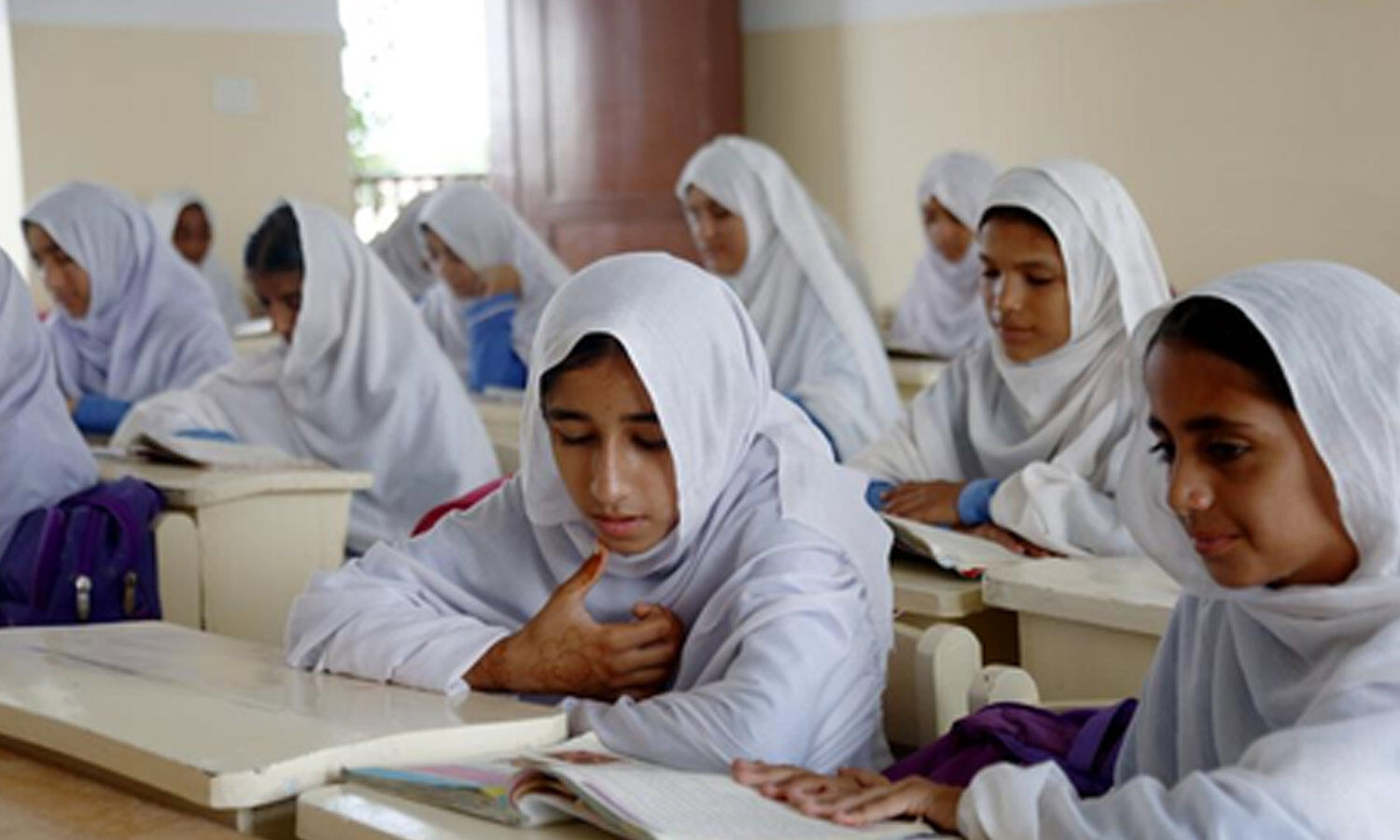
UNICEF Study Finds Widespread Online Abuse Among Pakistan’s Children

UNICEF Report Finds 20 Million Children Targeted Online Worldwide

Pakistan Reports 1,914 Child Abuse Cases in Six Months

Pakistan's Reported Gender-Based Violence Cases Expose Gaps in Protection

UNICEF Estimates 20 Million Children Suffered Online Sexual Abuse

UNICEF Says Millions of Children Face Online Sexual Abuse
Delhi Police Arrest Three in Ahmedabad over Alleged APK Cyber-Fraud
Kerala Police Warn of Fake Hospital Appointment Apps

Man Loses ₹85,000 in Alleged E-Challan Cyber Fraud

Saurav Gurjar Accused After Marriage Promise, Woman Files Complaint