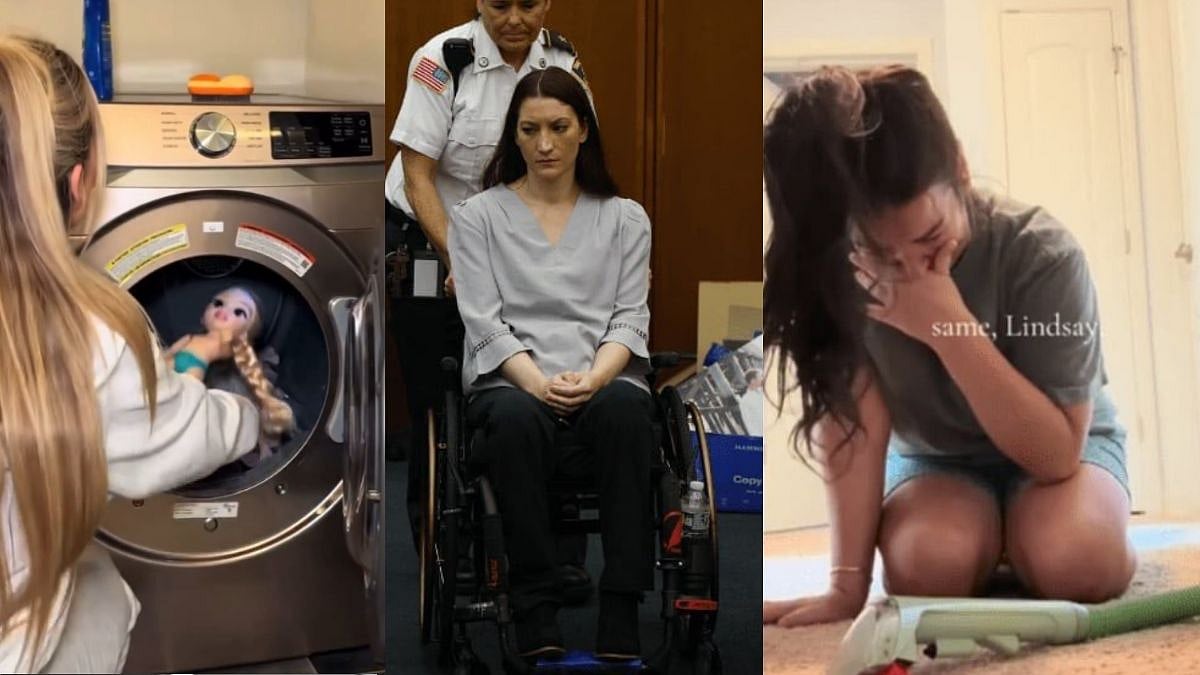
18 hrs ago
Lindsay Clancy Trial Nears Mistrial After Juror Dispute

Lindsay Clancy is accused of killing her three children in Massachusetts in 2023.
She does not deny strangling them.
Her lawyers say a serious illness after childbirth, called postpartum psychosis, made her unable to understand that the killings were wrong.
Prosecutors say she knew what she was doing and planned to send her husband away first.
The jury has talked about the case for seven days but still cannot agree.
One juror was accused of misunderstanding the rule about reasonable doubt.
The judge questioned the jurors and reread the legal instructions but would not remove anyone.
If the jury remains stuck, the judge may declare a mistrial, and prosecutors could seek another trial.

The jury entered its seventh day of deliberations without reaching a unanimous verdict on Clancy’s criminal responsibility.
The foreperson said one juror was not following the judge’s reasonable-doubt instructions, but Judge William Sullivan refused to remove that juror.
Clancy’s defense says postpartum psychosis, bipolar disorder, hallucinations, and inadequate treatment prevented her from knowing her actions were wrong.
Prosecutors argue Clancy deliberately sent her husband away, understood what she was doing, and killed the children before attempting suicide.
Sullivan signaled he would declare a mistrial, then gave the defense one hour to seek an appeal blocking that decision.
- Who
- Lindsay Clancy, her defense lawyer Kevin Reddington, prosecutor Jennifer Sprague, Judge William Sullivan, and a 12-member jury.
- What
- A jury is deadlocked over whether Clancy was criminally responsible for killing her three children and whether she should be convicted of murder or manslaughter.
- Where
- The trial is taking place in Plymouth, Massachusetts.
- When
- The children were killed on January 24, 2023; the jury began deliberating on August 27 and reached its seventh day without a verdict.
- Why
- The defense attributes the killings to postpartum psychosis and other severe mental-health problems, while prosecutors say Clancy understood her actions and was responsible for them.
Defense Position
Prosecution and Court Position
Clancy’s mental state
Defense Position
The defense says postpartum psychosis, bipolar disorder, hallucinations, medication, and inadequate medical care left Clancy unable to distinguish right from wrong. Defense psychologist Paul Zeizel testified that she was not criminally responsible because of severe mental illness.
Prosecution and Court Position
Prosecution experts said Clancy had the capacity to know right from wrong. Forensic psychologist Kirk Heilbrun said he did not believe she hallucinated voices, and FBI psychiatrist Gregory Saathoff testified that she could understand the difference between right and wrong.
What led to the killings
Defense Position
Clancy’s lawyers argue that a severe mental-health crisis, misdiagnosis, overmedication, and poor psychiatric care led to her actions. They say she believed a male voice told her to kill the children and then herself.
Prosecution and Court Position
Prosecutors argue that Clancy deliberately sent her husband, Patrick Clancy, out for food and medication, then killed the children because doing so would make it easier for her to end her own life. They also questioned the seriousness of her suicide attempt.
Whether the juror should be removed
Defense Position
Reddington argued that the foreperson’s note showed a juror was refusing to follow the law on reasonable doubt and asked Sullivan to remove that juror.
Prosecution and Court Position
Prosecutors objected, and Sullivan said he could not determine which juror was correct or improperly side with one group of deliberators over another. He questioned the jurors and reread the instructions instead.
Consequences of a deadlock or acquittal
Defense Position
A mistrial would avoid a conviction in the current proceeding, and an acquittal based on a lack of criminal responsibility could result in psychiatric confinement rather than prison.
Prosecution and Court Position
A mistrial would leave prosecutors to decide whether to seek a new trial, drop the charges, or negotiate a plea. A conviction could result in life imprisonment without parole.
Key facts
- Defendant
- Lindsay Clancy, 36, a former labor and delivery nurse
- Children
- Cora, 5; Dawson, 3; and Callan, 8 months
- Charges
- Three counts of first-degree murder; the jury may also consider murder or manslaughter
- Jury
- Nine women and three men
- Deliberations
- Seven days and approximately 35 hours after nearly six weeks of testimony and proceedings
- Juror dispute
- The foreperson reported that one juror would not follow the reasonable-doubt instructions; Sullivan declined to remove the juror
- Possible outcomes
- A verdict, a mistrial and possible retrial, dropped charges, a plea deal, or psychiatric confinement after an acquittal if Clancy is found dangerous
Quotes
Judge William Sullivan
Judge presiding over Lindsay Clancy’s Massachusetts trial
“I don’t feel it is proper for me to side with one side or the other of the deliberations. I don’t feel it’s appropriate for me to say, ‘I agree with one juror or the 11.’ I have asked if they are able to follow my instructions. They swore earlier that they could.”
 republicworld.com
republicworld.com
republicworld.com
 wionews.com
“There's no way to determine what the deliberations are, who's correct, who's incorrect, nor should we attempt to.”
wionews.com
Susan Clancy
Lindsay Clancy’s former mother-in-law and a witness for the defense
“She felt unwell. She had insomnia. She was losing her appetite. She was very anxious and sad. She was begging for help.”
republicworld.com
Sources
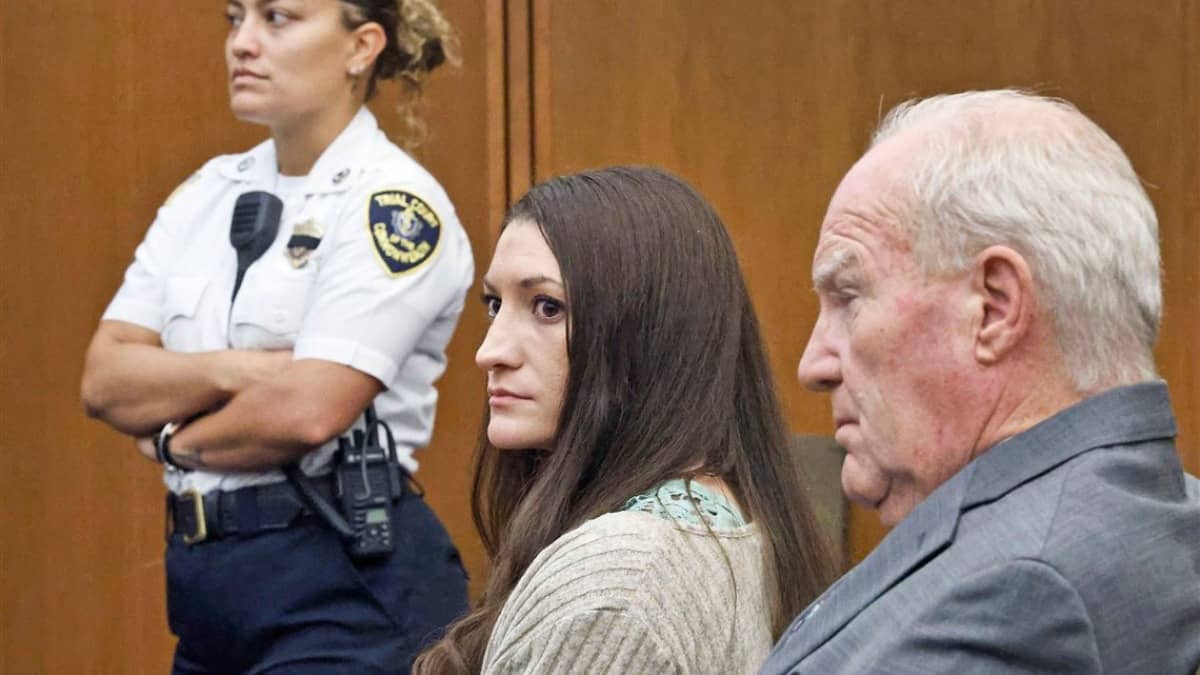
No Verdict After 6 Days: Jury Stalled in Lindsay Clancy Trial After Single Holdout Causes Courtroom Drama
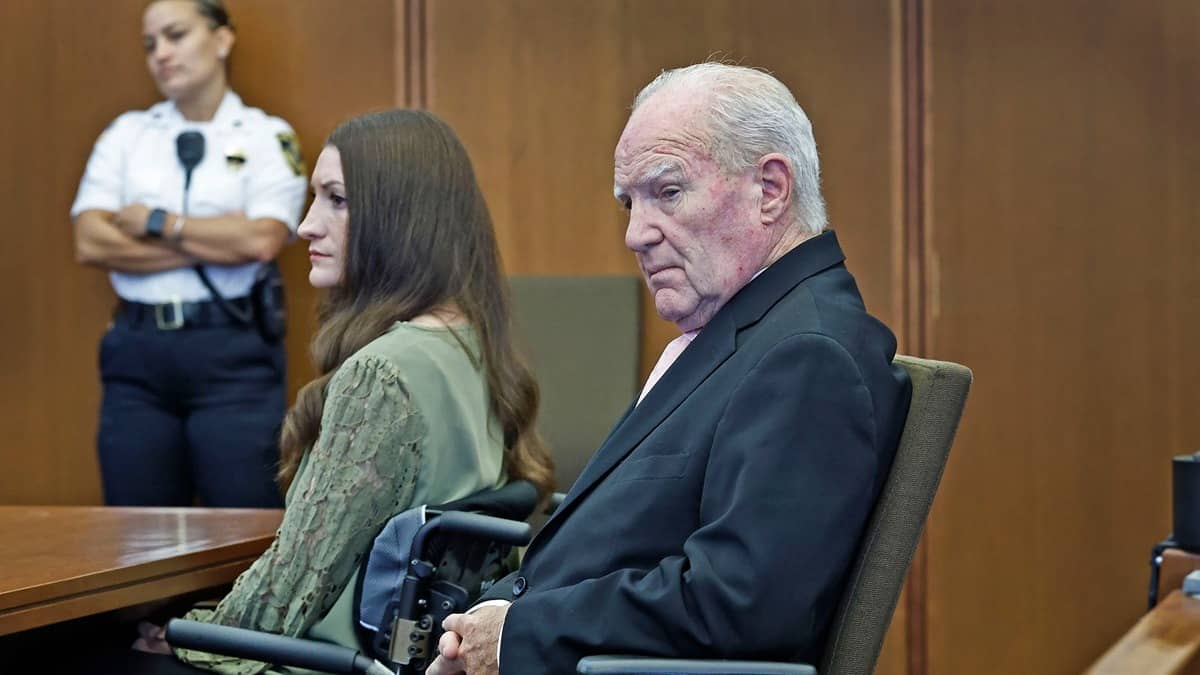
Hung Jury Looms In Lindsay Clancy Murder Trial: Defence Seeks Removal Of Juror, Judge Says He Won't Side With 11 Against One
Lindsay Clancy murder trial: Tensions rise as juror disputes over 'reasonable doubt' as verdict remains elusive
Related news
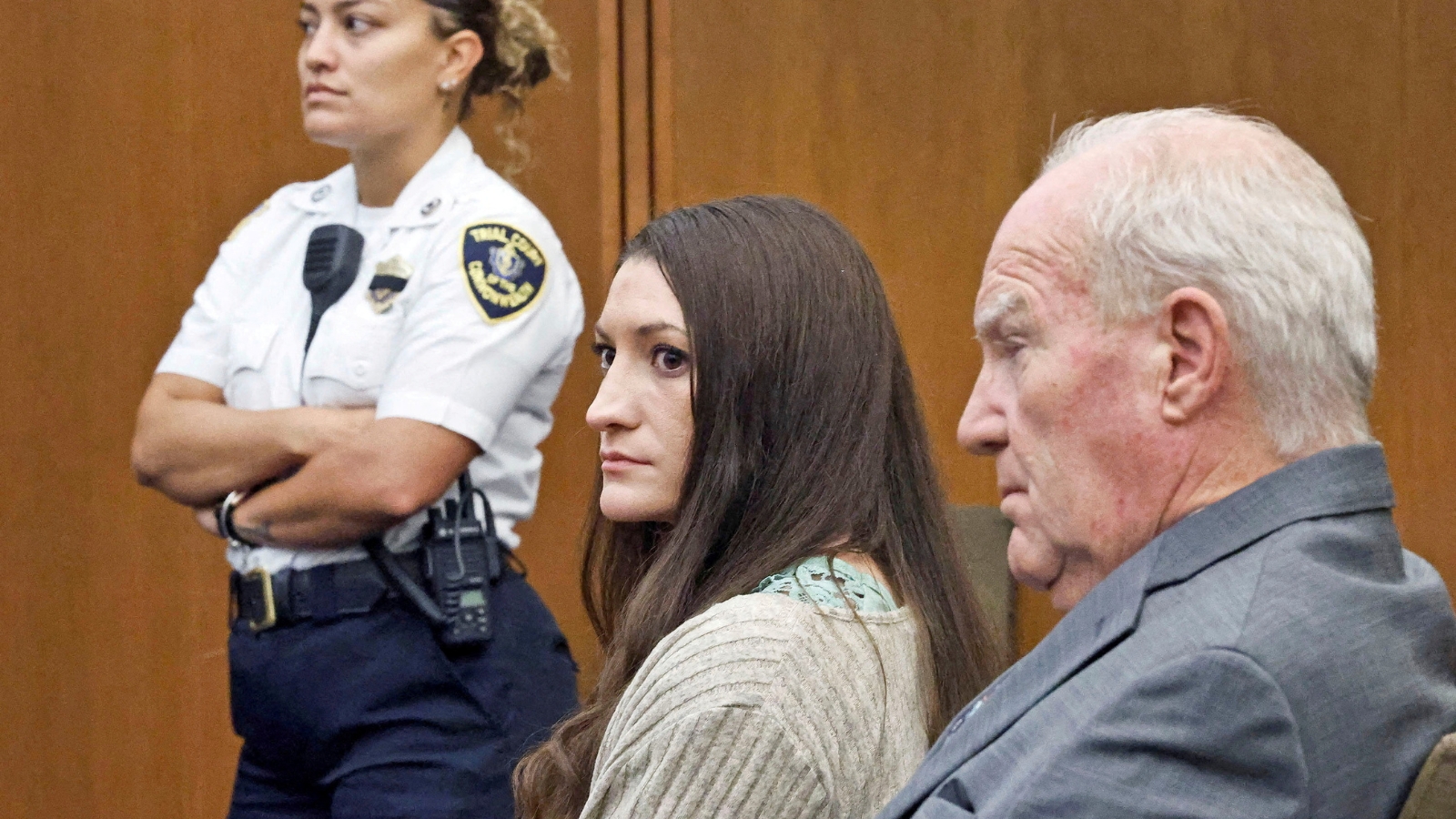
Massachusetts Lindsay Clancy Triple-Murder Trial Ends Without Verdict

Lindsay Clancy Jury Deadlocks as Murder Trial Reaches Decision
Lindsay Clancy Trial Tests Accountability In Postpartum Psychosis

Lindsay Clancy Murder Trial: Duxbury Mother Pleads Not Guilty

Jury deliberates in Lindsay Clancy postpartum psychosis murder trial

Psychologist Says Clancy Could Not Appreciate Wrongfulness in Killings

Trump Comments After Mistrial in Lindsay Clancy Case