

1 hr ago
Indonesia’s Wildfires Worsen Haze and Breathing Problems Across Borneo

Large fires are burning in parts of Indonesia because the weather is unusually hot and dry.
The smoke has created thick haze over Borneo and nearby areas.
Many people are coughing, having sore throats, or finding it hard to breathe.
More than 12.5 million people have been exposed to the smoky air.
Health officials say cases of breathing problems have more than doubled.
Volunteers are giving oxygen cylinders to residents and firefighters who need help.
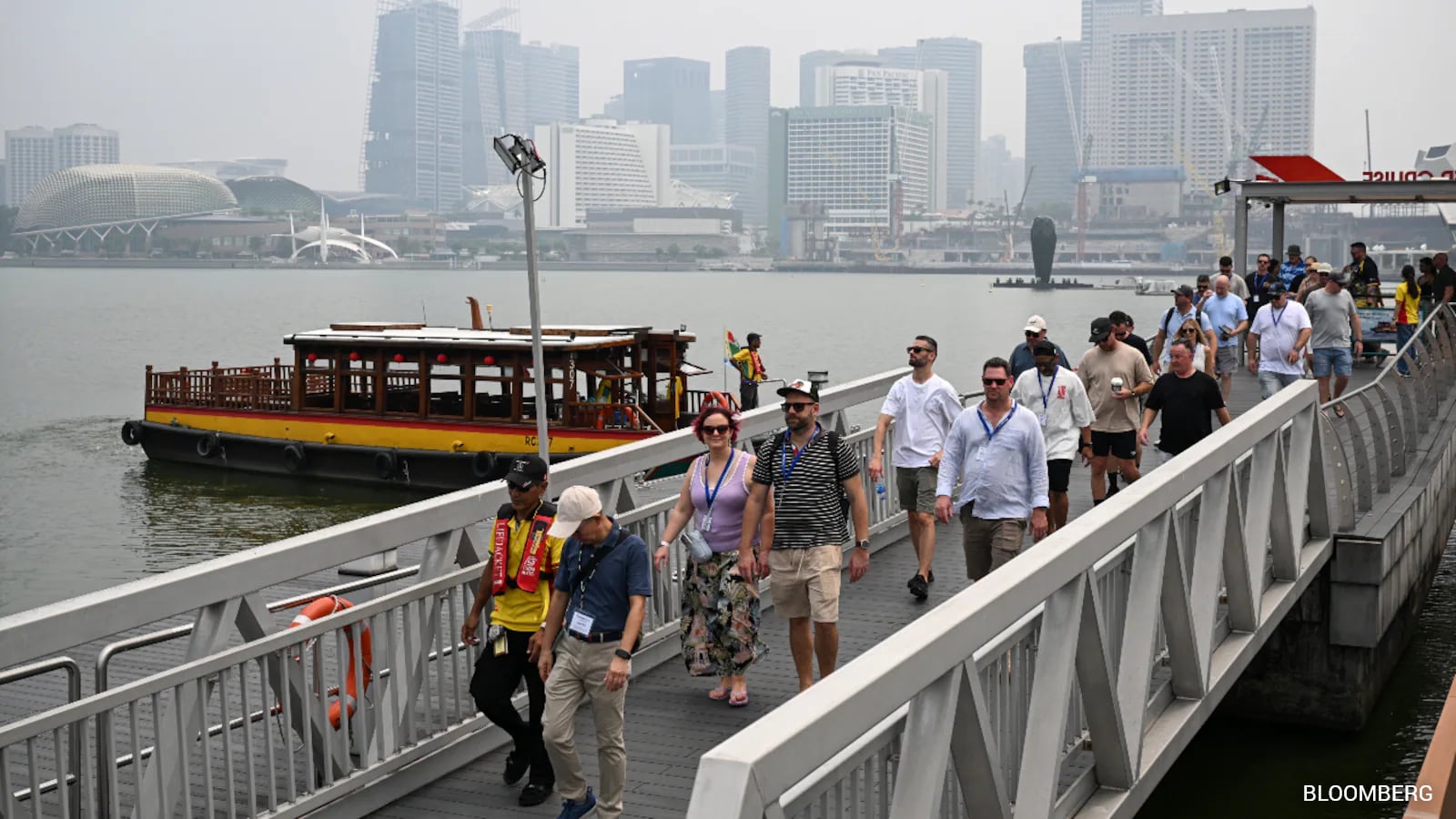
Smoke has also affected air quality in Singapore and Malaysia.
Indonesia is using aircraft to drop water and try to make rain.
Japan has sent helicopters and crew to help fight the fires.

Wildfires intensified across Indonesia amid drought and high temperatures linked to “super-El Niño” conditions.
West Kalimantan and Pontianak are among the areas worst affected by thick, hazardous haze.
More than 12.5 million people across seven provinces have been exposed to wildfire-related haze.
Respiratory illness cases more than doubled, reaching 113,336 by September 9 from 50,891 on September 1.
Indonesia deployed more than 50 aircraft for firefighting, while Japan sent Chinook helicopters and crew to assist.
- Who
- Residents and firefighters in Indonesia are affected, while Indonesian authorities, volunteers, and Japanese personnel are responding.
- What
- Intense wildfires are producing hazardous haze and increasing respiratory illnesses.
- Where
- The worst-affected areas include West Kalimantan and Pontianak on Borneo, with haze also reaching Singapore and Malaysia.
- When
- The report was published September 16; illness figures cited run through September 9, with fires reported from January through August.
- Why
- Hot, dry “super-El Niño” conditions are driving drought and worsening fires, while smoke also comes from land clearing for farming.
Key facts
- People exposed
- More than 12.5 million people across seven Indonesian provinces
- Respiratory cases
- 113,336 by September 9, compared with 50,891 on September 1
- Land burned or damaged
- 202,000 hectares burned from January through July; YKAN estimated another 600,000 hectares damaged in August
- Indonesian emissions
- 19.7 million metric tons during the week ending September 7, more than one-third of the global total cited
- Firefighting response
- Indonesia deployed more than 50 aircraft for water drops and cloud seeding
- International assistance
- Japan sent three CH-47 Chinook helicopters and 180 crew
- Local aid
- Volunteers distributed oxygen cylinders through the “Rumah Oksigen,” or Oxygen House, campaign
Quotes
Popong Solihat
Head of a public health clinic in Pontianak.
“I often feel short of breath when exposed to the smoke. It seems to be getting worse now, particularly in the mornings and evenings, when the haze is at its strongest.”
 theprint.in
“We can still hold it off with medicines, but I’m concerned that if this persists, it will lead to worse illnesses.”
theprint.in
Sources
Related news
Orangutan Rescued From Borneo Fire Zone Battles Respiratory Illness

Indonesian Fires Trigger Regional Haze Alerts, School Closures
Singapore Among Most Polluted Cities as Indonesian Wildfires Fuel Haze
Indonesia Wildfires Intensify as El Niño Raises 2015 Fears
Indonesia Arrests 72 as Forest-Fire Haze Reaches Malaysia

Asian Markets, Crude Prices Signal Cautious Sensex, Nifty Start

Rising US Bond Yields Threaten Global Growth and Budgets

PT Usha Says No Complaints Over Cricketers’ Asian Games Stay

India bond yields above 7% make 3–5-year debt attractive