

1 hr ago
Singapore Among Most Polluted Cities as Indonesian Wildfires Fuel Haze
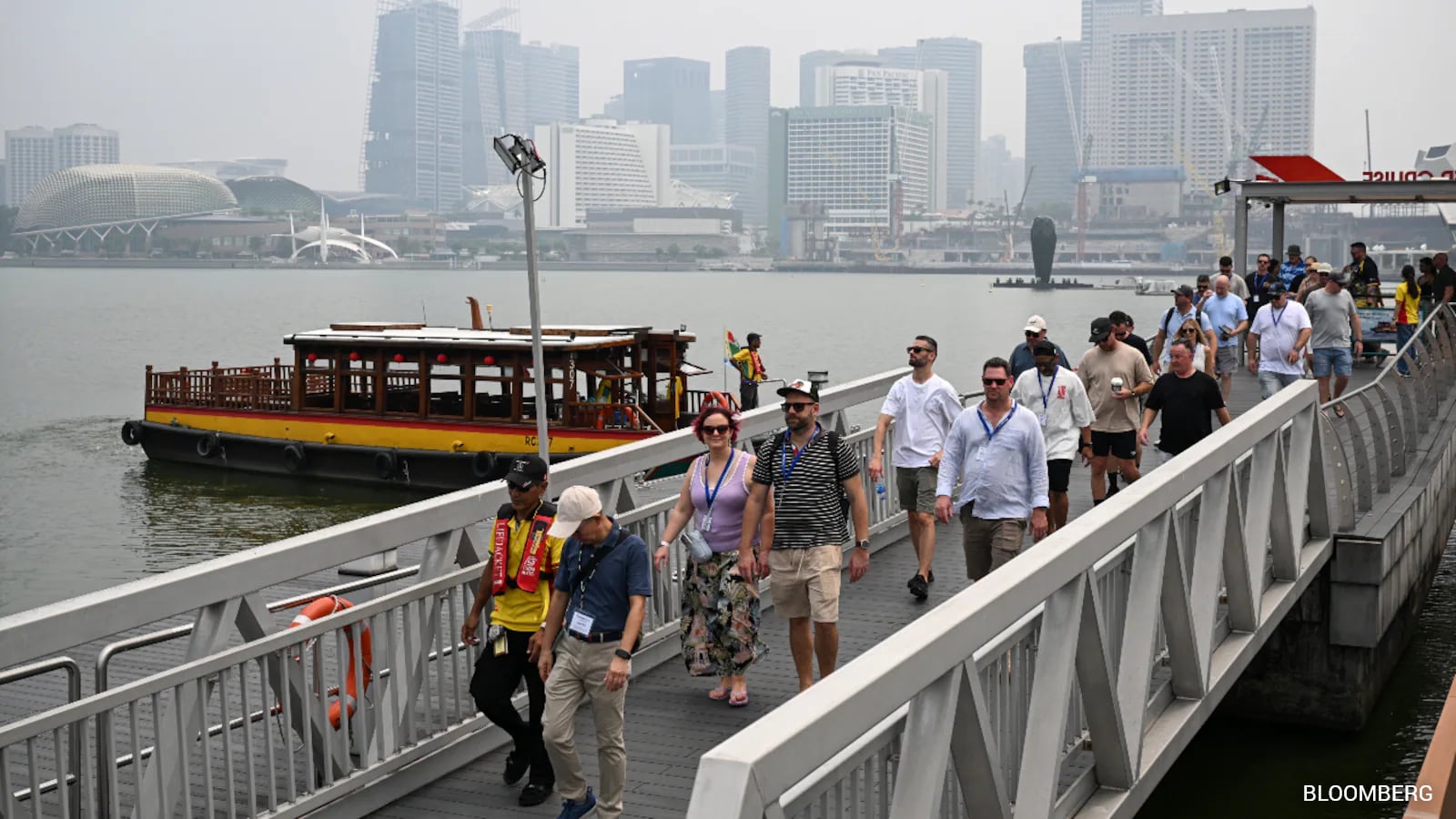
Wildfires in Indonesia are sending smoke toward Singapore and nearby countries.
The smoke has made the air unhealthy across all five regions of Singapore.
Some parts of Indonesia have air that is dangerous or very unhealthy.
A weather pattern called El Niño is making the region hotter and drier.
Dry plants and peatlands can catch fire and burn for a long time.
Some fires may also be linked to clearing land for farms.
Winds carried smoke from Kalimantan and Sumatra toward Singapore.
Forecasters say the haze could continue soon, although some rain may provide temporary relief.
Malaysia has also experienced serious haze from the fires.

Smoke from wildfires in Indonesia pushed air quality across all five Singapore regions into unhealthy levels.
Singapore ranked among the world’s 10 most polluted cities, according to IQAir data.
Indonesia recorded more than 9,000 fire hotspots in August and over 7,000 in September so far.
El Niño-driven dry weather is expected to keep wildfire and transboundary haze risks elevated across Southeast Asia.
Fires in Kalimantan and Sumatra also threaten Indonesia’s water supplies, palm oil production and natural-resources sector.
- Who
- Residents of Singapore, Indonesia and Malaysia are affected; Indonesian fires and regional weather systems are driving the haze.
- What
- Wildfire smoke has caused unhealthy air pollution and transboundary haze across parts of Southeast Asia.
- Where
- Singapore, Indonesia’s Kalimantan and Sumatra regions, and parts of Malaysia.
- When
- The pollution was reported on Tuesday, with haze expected to persist over the following 24 hours; dry conditions are expected to continue in the near term.
- Why
- Indonesian wildfires, dry El Niño conditions and shifting winds carried smoke toward Singapore and neighboring areas.
Key facts
- Singapore air quality
- All five regions recorded unhealthy air-quality levels, the first such occurrence since September 2019.
- Global ranking
- Singapore was among the 10 most polluted cities worldwide according to IQAir data.
- Indonesia hotspots
- More than 9,000 hotspots were recorded in August and more than 7,000 in September so far.
- Primary fire regions
- Fires were concentrated in Kalimantan and Sumatra, where air quality reached dangerous or very unhealthy levels.
- Weather factor
- A strengthening El Niño pattern is producing drier conditions across much of the region.
- Forecast
- The ASEAN Specialised Meteorological Centre expects elevated hotspot and transboundary smoke-haze risks to continue.
- Potential relief
- Rain in parts of Sumatra and Kalimantan next week may temporarily reduce fire risks, but widespread sustained rainfall is not expected.
Quotes
ASEAN Specialised Meteorological Centre
Regional meteorological organization monitoring Southeast Asian weather and haze conditions
“The hotspot and haze situation in the region is expected to remain escalated with a continued risk of transboundary smoke haze.”
 NDTV
NDTV
Takahisa Nishikawa
Senior decision support meteorologist at Atmospheric G2
“This may provide some relief, although it does not yet look like a widespread or sustained wetting pattern, and forecast confidence is lower at that range.”
NDTV
Sources
Related news

Indonesian Fires Trigger Regional Haze Alerts, School Closures

Indonesia Wildfires Intensify as El Niño Raises 2015 Fears
Malaysia Declares Emergency in Sarawak District Over Hazardous Haze

Indonesia Arrests 72 as Forest-Fire Haze Reaches Malaysia