

2 hrs ago
India-Japan Clash Sparks Controversy Over Overturned Last-Over Wide Call

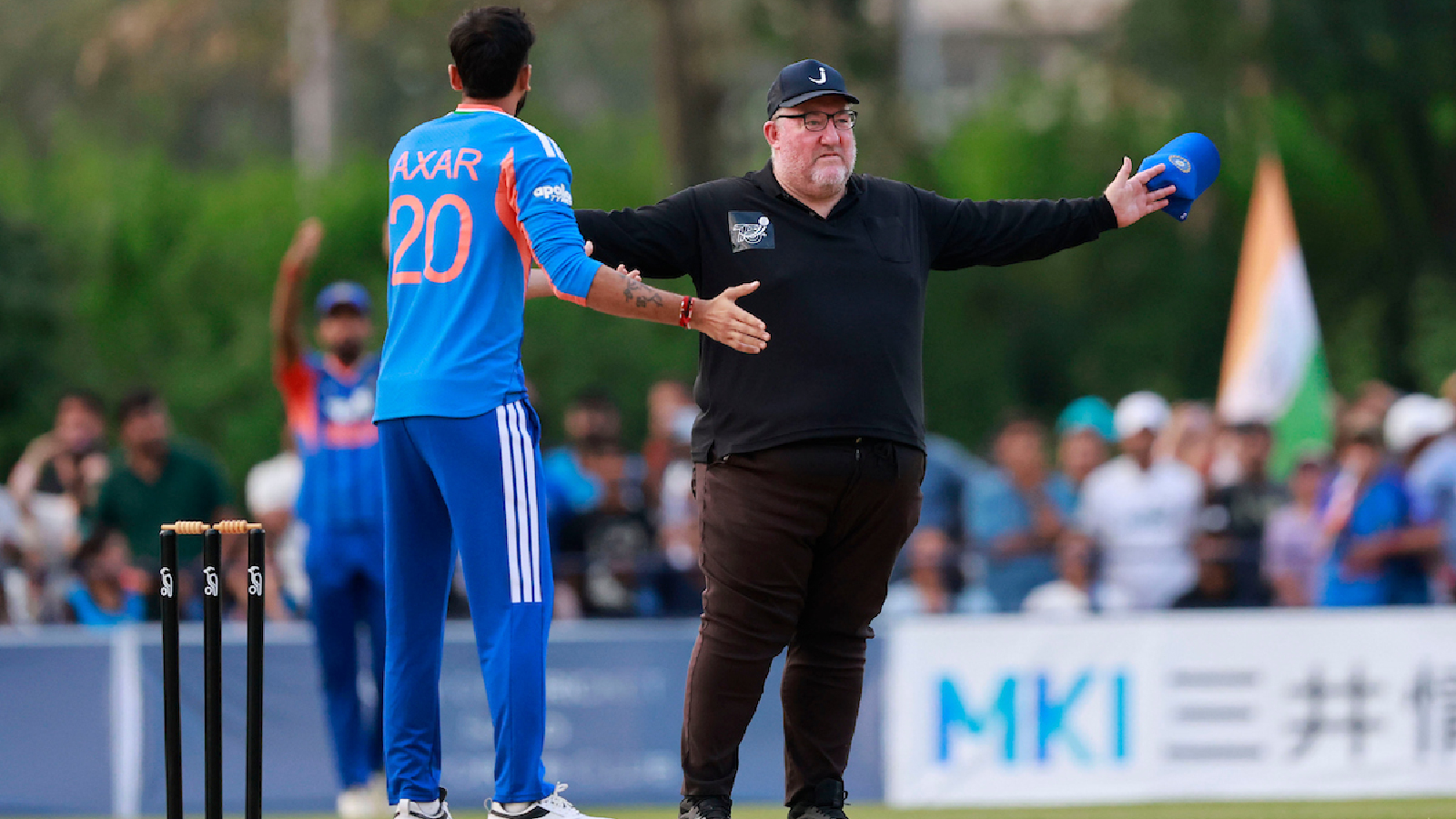
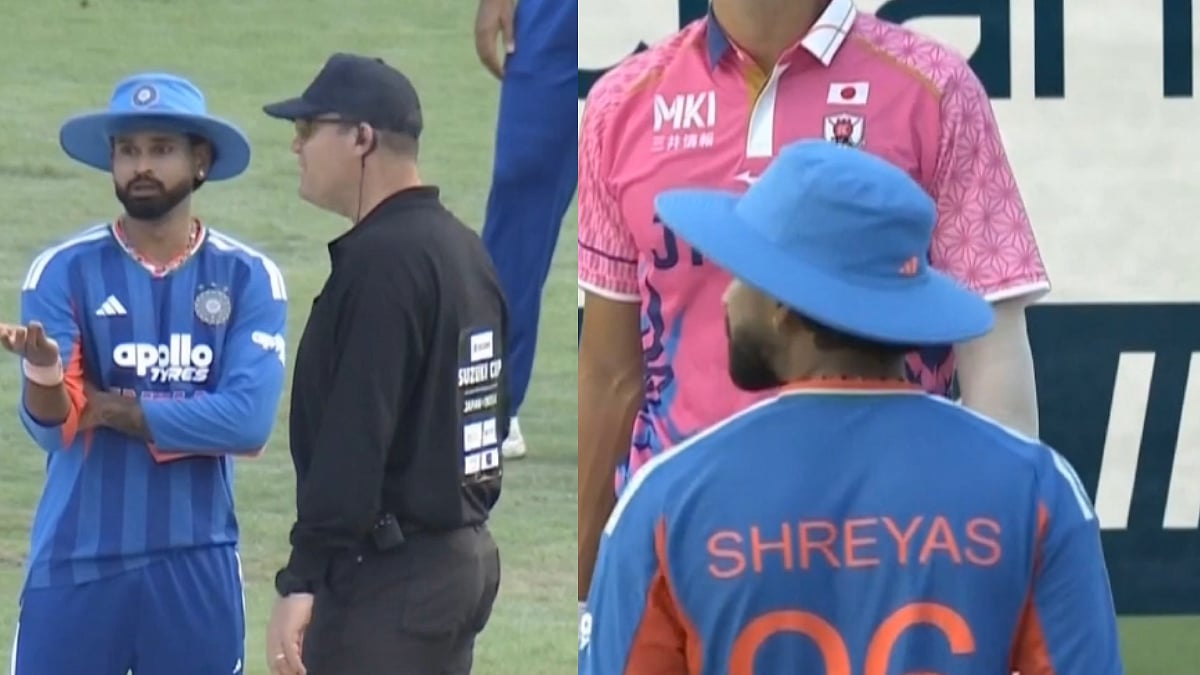
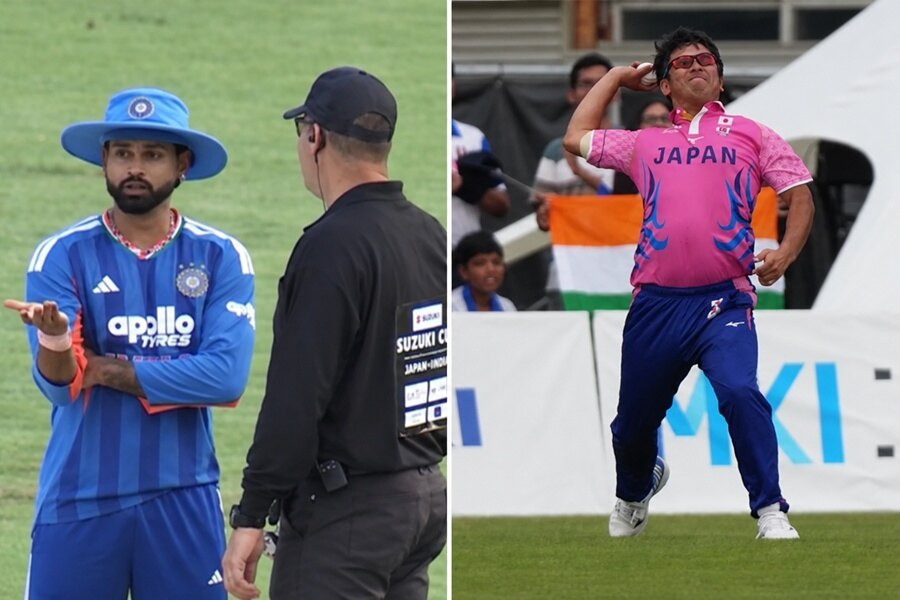
An umpire changed a wide-ball decision during the final over of an India-Japan cricket match.
The ball was bowled by Axar to Alexander.
The batter tried to play the ball in reverse after it had been released.
Some people believe this meant the ball should not have been called wide.
Cricket rules can cancel the leg-side wide rule when a batter attempts a switch-hit.
However, Alexander did not change his grip or stance.
The original decision may therefore have been correct.
That is why the umpire’s decision is still being debated.

An umpire overturned a wide-ball decision during the last over of an India-Japan clash.
The disputed delivery was bowled by Axar to Alexander.
The batter attempted a reverse shot after Axar released the ball.
Rules can negate the leg-side wide rule when a batter attempts a switch-hit.
The decision remains contentious because Alexander did not change grip or stance, and the original call may have been defensible.
- Who
- Axar bowled the delivery to Alexander during an India-Japan cricket clash.
- What
- An umpire overturned a wide-ball call in the last over.
- Where
- At an India-Japan cricket clash; the venue is not stated.
- When
- During the last over of the match; no specific date is stated.
- Why
- The decision concerned whether Alexander’s attempted reverse shot qualified as a switch-hit under the leg-side wide-ball rule.
Decision Was Correctly Overturned
Original Wide Call Was Defensible
Switch-hit interpretation
Decision Was Correctly Overturned
The batter attempted to play a reverse shot, which could be interpreted as an attempt to change the expected direction of play and affect the wide-ball decision.
Original Wide Call Was Defensible
The rules specifically refer to a switch-hit, but Alexander did not change his grip or stance, so there was no clear evidence that he was attempting one.
Timing of the movement
Decision Was Correctly Overturned
The batter’s movement may have influenced how the delivery should be judged under the wide-ball regulations.
Original Wide Call Was Defensible
Alexander only attempted the reverse after Axar released the ball, meaning the original wide call may not have been wrong.
Key facts
- Sport
- Cricket
- Match
- India versus Japan
- Incident
- An overturned wide-ball call
- Timing
- The last over
- Bowler
- Axar
- Batter
- Alexander
- Dispute
- Whether Alexander was attempting a switch-hit
Sources
Related news
Wide Call Reversal Sparks Controversy in India-Japan T20I
Shreyas Iyer Criticized After Controversial Wide Reversal Against Japan
India Survive Japan Scare in Rain-Hit T20I Thriller
Why India-Japan T20I Match Had No Third Umpire
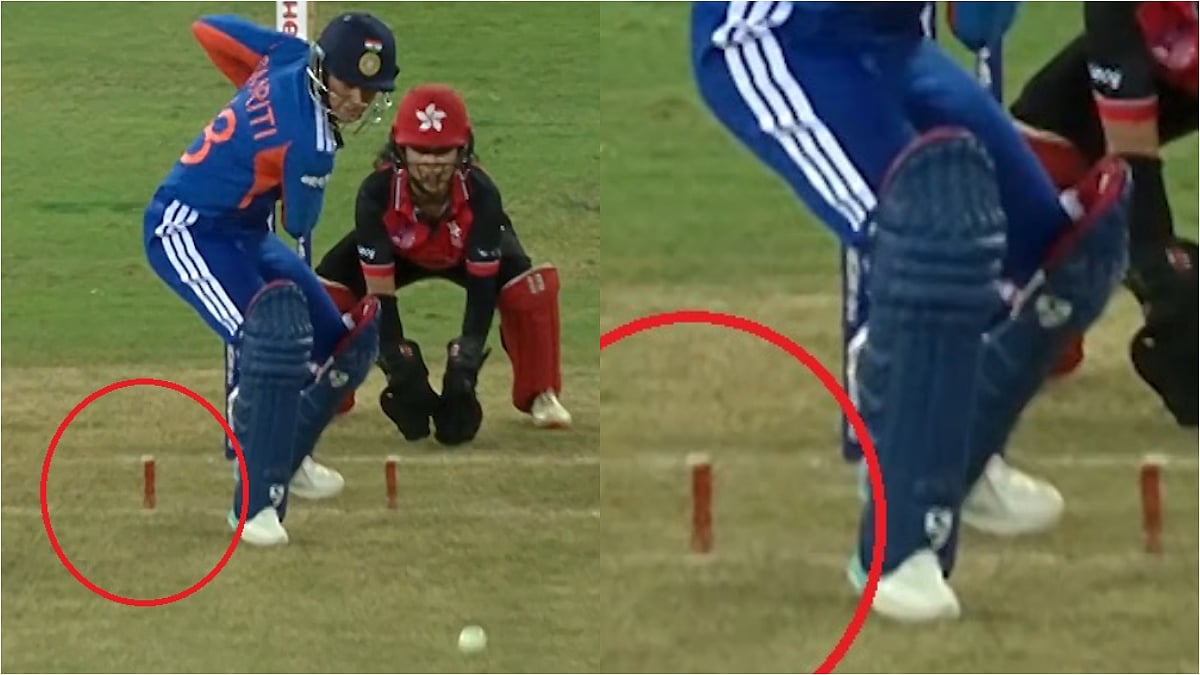
Red Line Explains ICC’s New Leg-Side Wide Rule

Chopra Weighs Both Sides In Jaiswal-Fernando Clash Debate

India’s Asian Games Equestrian Campaign Off to Disappointing Start
Shafali Verma Rises to No. 4 After Asian Games
India Climbs to Eighth After Cricket Gold
India Win First Asian Games Gold at Japanese Cricket Ground
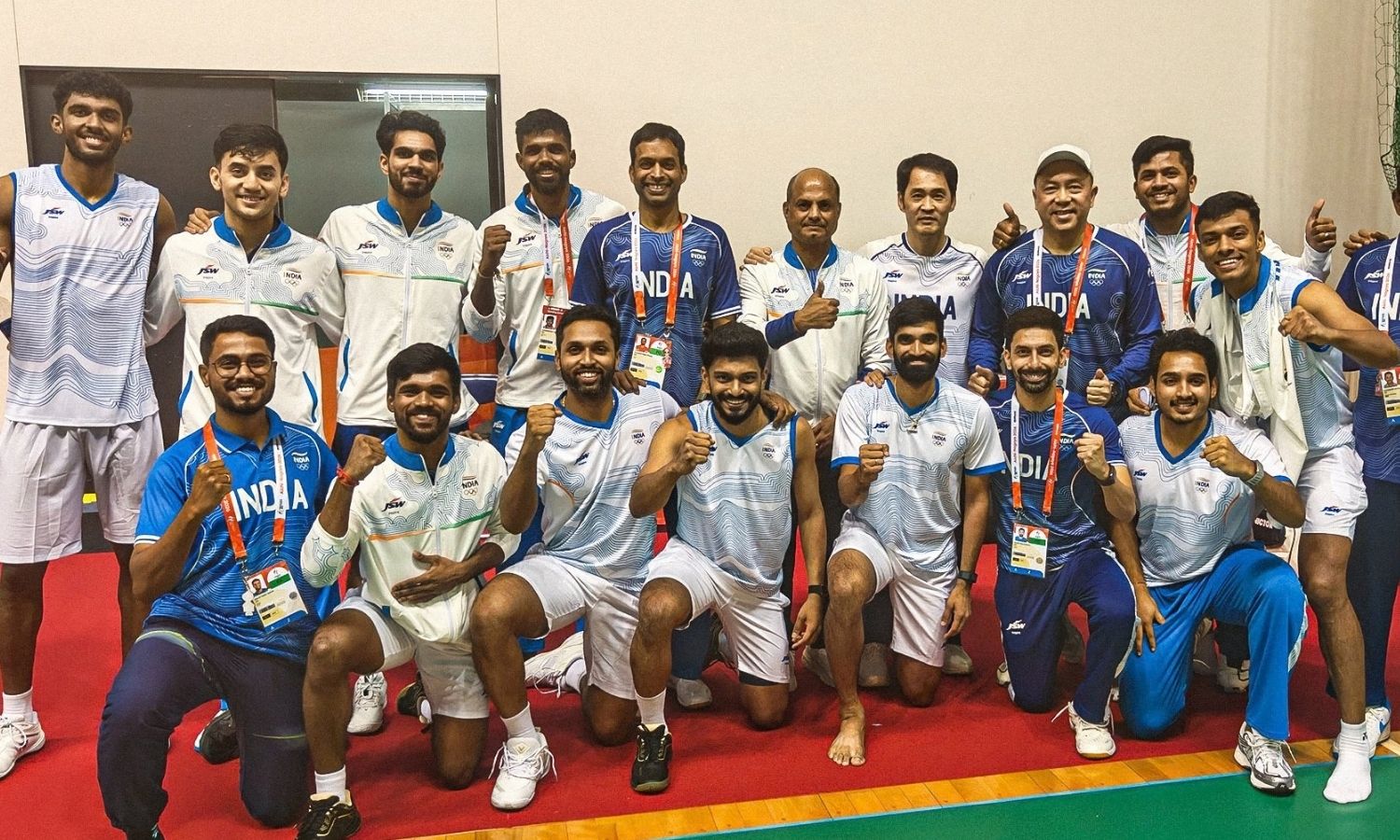
India Reach Asian Games Badminton Semifinals After Japan Victory
