

1 week ago
Uber AI Pricing Raises Questions About Fare Differences
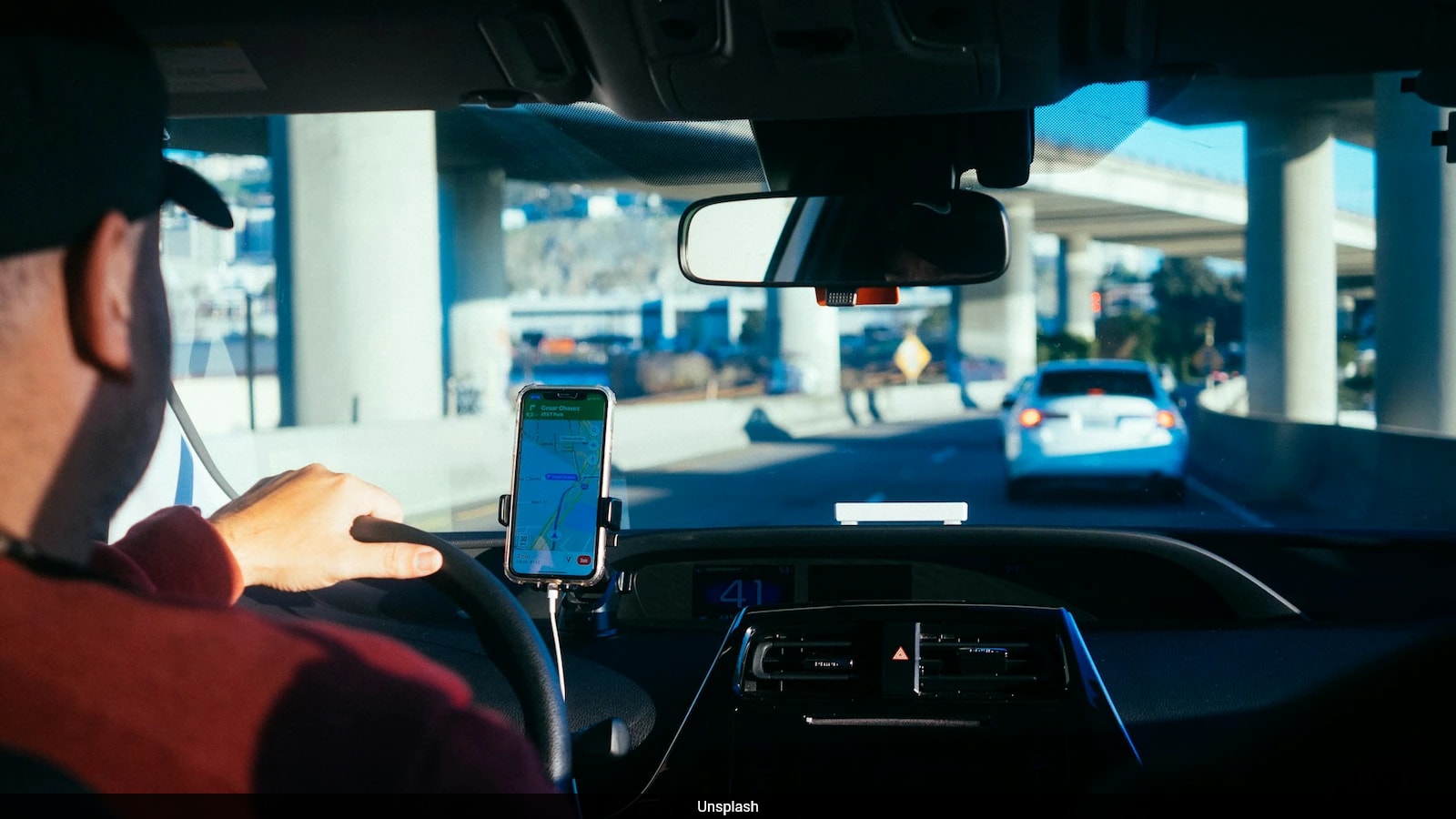
Uber uses computer programs to help decide how much a ride should cost.
These programs look at things such as traffic, weather, available drivers and how many people want rides.
Sometimes, two people requesting a similar ride at nearly the same time may see different prices.
Reports said some fare differences were large.
Uber says this happens because ride conditions can change quickly.
The company denies charging people more based on their personal characteristics.
Consumer Reports and Business Insider raised questions about whether these prices are easy to understand.
Uber also uses AI to predict where rides will be needed and help keep customers using its service.

Uber uses AI and algorithms to set fares using demand, driver availability, traffic, weather, location and trip time.
Business Insider employees reportedly received UberX fare estimates that differed by nearly 21% for similar requests.
A Consumer Reports test cited by TheStreet found one rider quoted $94.96 while another saw $65.95 for the same route.
Uber denies setting base fares according to individual customer characteristics and says prices reflect changing market conditions.
Uber also uses AI to forecast demand, position drivers, optimize routes, detect fraud and encourage continued platform use.
- Who
- Uber, with comparisons involving Lyft, was examined by Business Insider, Consumer Reports and TheStreet.
- What
- Reports examined how AI and algorithms influence ride prices and other parts of Uber's service.
- Where
- The issue concerns rides requested through Uber and Lyft apps; specific locations were not identified.
- When
- The reports described fare requests made at roughly the same time, but no specific date was provided.
- Why
- Uber says prices change with real-time market conditions, while reports raised questions about transparency and whether similar passengers receive different fares.
Transparency Concerns
Real-Time Marketplace Explanation
Different fares for similar rides
Transparency Concerns
Business Insider and Consumer Reports findings raised questions about whether different passengers can receive different prices for what appears to be the same journey.
Real-Time Marketplace Explanation
Uber and Lyft say differences can result from rapidly changing demand, driver supply, traffic, routing, weather, location, arrival times and promotions.
Use of personal information
Transparency Concerns
The reported fare differences prompted questions about whether algorithms may influence prices according to customer-specific factors.
Real-Time Marketplace Explanation
Uber says it does not use individual customer characteristics to determine base fares and distinguishes market-based pricing from charging someone according to willingness to pay.
Impact of AI on customers
Transparency Concerns
Critics cited in the reports say the largely invisible systems may make pricing decisions difficult for passengers to understand.
Real-Time Marketplace Explanation
Uber's broader use of AI is presented as a way to forecast demand, improve operations, estimate arrival times, detect fraud and personalize the customer experience.
Key facts
- Reported fare gap
- Business Insider reported a difference of nearly 21% between the highest and lowest UberX estimates in one comparison.
- Consumer Reports example
- One rider was quoted $94.96 while another saw an undiscounted fare of $65.95 for the same route at roughly the same time.
- Pricing factors
- Reported factors include demand, driver availability, traffic, weather, location, routing and estimated journey time.
- Uber's position
- Uber denies using individual customer characteristics to determine base fares and disputes the methodology of the Consumer Reports analysis.
- Lyft's position
- Lyft says fare differences can reflect demand, driver availability, location, weather, traffic and promotional offers.
- Other AI uses
- Uber uses AI for demand forecasting, driver positioning, route optimization, arrival-time estimates, fraud detection and customer-experience personalization.
Sources
Related news

Uber-Rapido Incident Raises Questions About Simultaneous Ride Bookings

Mumbai Airport App-Cab Strike Disrupts Pickups, Drivers Demand Changes
Centre Orders Uber, Ola, Rapido to Remove Pre-Ride Tip Prompts
Ride-Hailing Apps Continue Advance-Tip Prompts Despite Government Advisory

Netherlands Fines Uber €825 Million Over Automated Driver Suspensions
