

1 day ago
Leaked ICBC Files Reveal Doklam-Era Mumbai Loan Freeze
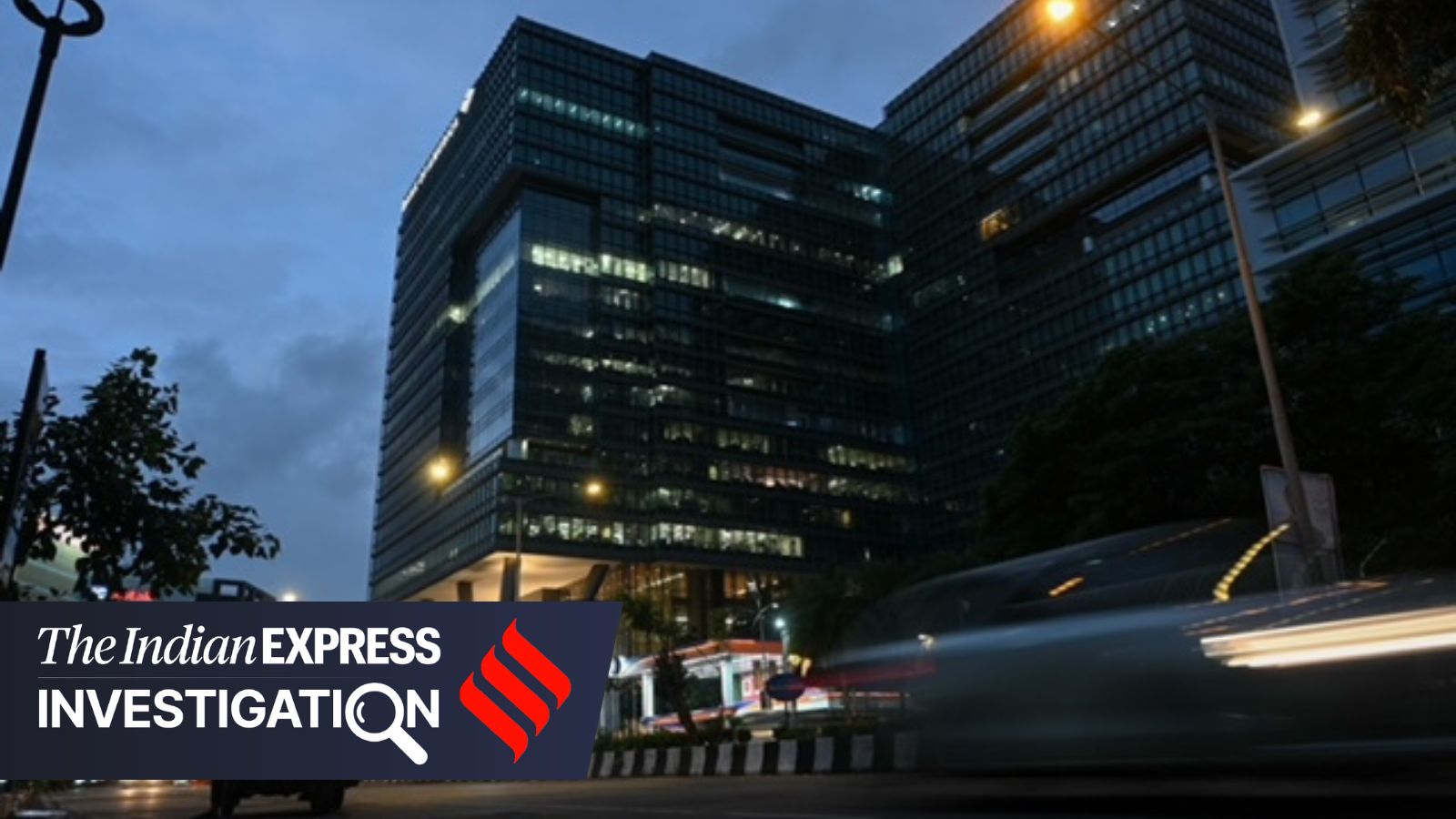
In 2017, Indian and Chinese troops faced each other at Doklam near the India-Bhutan-China border.
The disagreement lasted 73 days and ended after both sides agreed to move their troops back.
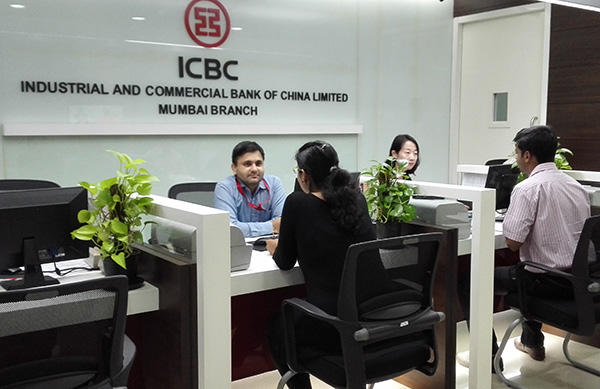
During the standoff, ICBC’s branch in Mumbai paused 11 loans and investments that had already been approved.
Together, those deals were worth $185 million.
The bank said this reduced its operating revenue by about $6.36 million.
The Mumbai branch reached only 57.7% of its yearly profit target.
The report also said Communist Party members at the branch stayed in contact with China’s embassy and consulate.
These details came from confidential ICBC documents obtained after a hacking incident and examined by international journalists.
ICBC did not respond to requests for comment from the investigators.

ICBC’s Mumbai branch suspended 11 approved loans and bond investments worth $185 million during the 2017 Doklam standoff.
The suspension reduced the branch’s operating revenue by approximately $6.36 million, according to an internal report.
The branch achieved 57.7% of its profit target set by ICBC’s Beijing headquarters that year.
Communist Party members across departments were organized to remain at their posts and maintain contact with China’s embassy and consulate.
The findings come from a confidential January 2018 report in a leaked 4.8-million-document dataset reviewed by the China Capital investigation.
- Who
- The Industrial and Commercial Bank of China’s Mumbai branch, its staff and Communist Party members assigned across departments.
- What
- The branch suspended 11 approved but undisbursed loans and bond investments totaling $185 million and organized political and operational responses during the border standoff.
- Where
- At ICBC’s Mumbai branch in India, in response to events at Doklam, the tri-junction of India, Bhutan and China.
- When
- During the 2017 Doklam standoff; the relevant ICBC work summary was dated January 2018.
- Why
- The internal report said the branch reduced loan and investment exposure because of the border tensions and sought to limit their financial impact.
Risk Management Interpretation
Political Influence Concern
Why the loans were paused
Risk Management Interpretation
The branch’s actions can be viewed as precautionary steps to reduce credit and investment exposure during a period of heightened border tension.
Political Influence Concern
The documents suggest that geopolitical developments directly shaped commercial banking decisions and the flow of capital in India.
Role of Communist Party members
Risk Management Interpretation
The branch described keeping Party members at their posts and in contact with diplomatic missions as a way to maintain normal operations during a crisis.
Political Influence Concern
The arrangement raises concerns that China’s political and diplomatic structures were closely involved in the operation of a state-owned bank’s foreign branch.
Meaning of the documents
Risk Management Interpretation
The report is an internal account describing ICBC’s own crisis response and does not independently establish the broader effects of the measures.
Political Influence Concern
Investigators say the records offer a rare view of how China’s state influence can extend through major financial institutions and overseas operations.
Key facts
- Suspended deals
- 11 approved but undisbursed loans and bond investments
- Value of suspended deals
- $185 million
- Reported revenue impact
- Approximately $6.36 million
- Mumbai profit-target achievement
- 57.7% of the target set by ICBC’s Beijing headquarters
- Relevant document
- A confidential 178-page ICBC overseas-branches work summary dated January 2018
- Document dataset
- 4.8 million ICBC documents dated from 2005 to 2024
- Investigation
- China Capital, coordinated by the International Consortium of Investigative Journalists with 24 media partners and 75 journalists
Quotes
ICBC internal work summary
A confidential January 2018 report summarizing ICBC overseas branch performance.
“The primary reasons were as follows: first, during the period of border crossings, the branch proactively reduced its exposure to loan and investment risks and suspended the disbursement of 11 approved but undisbursed loans and bond investments totalling $185 million, which impacted operating revenue by approximately $6.36 million.”
 indianexpress.com
“During the period of border incursions, the branch organized Party members across all departments to remain at their posts, actively maintaining communication with the embassy and consulate, and ensured the branch’s normal operations…”
indianexpress.com
Sources
Related news

ICBC London Probe Finds Russian Oligarch Links, Beijing Interests

ICBC Recovered Watchlisted $500 Million Vedanta Loan in 2017
UPSC Key Covers India-China Talks, Judiciary, Economy and Security
China’s Alleged Arunachal Moves Raise Questions Before BRICS Summit

India May Tie Further Chinese Investment Relief to Border Progress

Evening News Guide: India, China, Sanctions, Courts, Sports, Culture

Beijing Plans $53.64 Billion Capital Boost for Financial Institutions
