2 weeks ago
Kolkata Dermatologists Say De-Tanning Soaps Cannot Remove Suntan
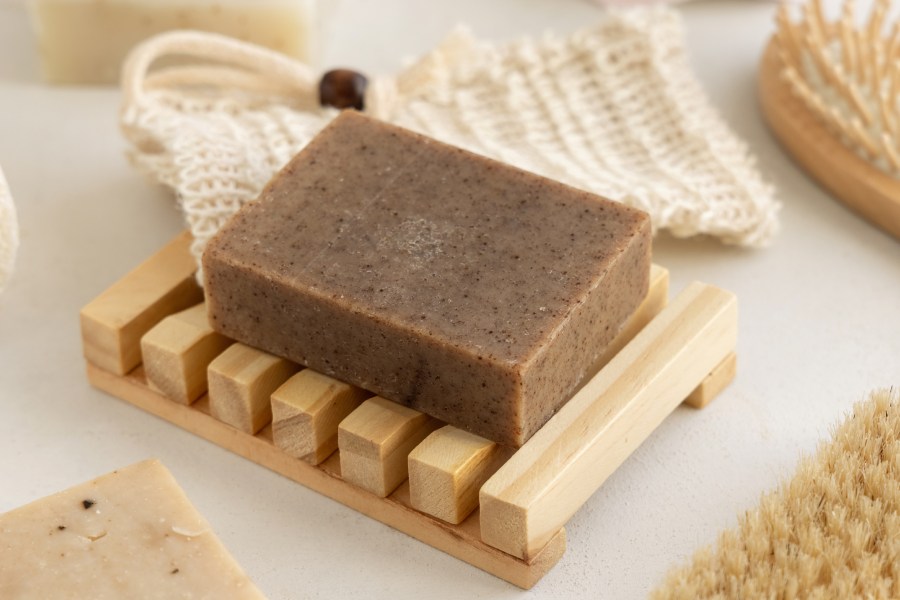
A suntan is not dirt sitting on top of your skin.
Sunlight can make skin cells produce more melanin, which makes the skin look darker.
Soap can clean the skin, but it cannot tell those cells to stop making melanin.
Some special skincare ingredients may slowly make uneven pigmentation look lighter.
Using too much of these ingredients can irritate the skin and make pigmentation worse.
A deeper tan may take longer to fade than a short-lived darkening after brief sun exposure.
A dermatologist can suggest stronger treatments for stubborn or patchy pigmentation.
The best way to prevent more tanning is to use sunscreen, seek shade, and wear protective clothing.

Dermatologists say soaps cannot wash away a suntan because tanning involves changes in melanin production beneath the skin’s surface.
Ultraviolet radiation triggers melanocytes to produce more melanin, but a tan still indicates UV-related skin injury.
Low-concentration AHAs or BHAs may gradually improve pigmentation when used a few times weekly, but overuse can irritate skin.
Persistent or patchy pigmentation may require dermatologist-supervised treatments such as medical-grade peels, laser toning, or controlled exfoliation.
Dermatologists recommend broad-spectrum sunscreen of at least SPF 30, preferably SPF 50, plus shade and protective clothing.
- Who
- Dermatologists Dr Arunima Ray, Dr Sonal Jain, and Dr Shreeni Chatterjee.
- What
- They explained that de-tanning soaps cannot remove a true suntan, though some skincare treatments may gradually improve pigmentation.
- Where
- The dermatologists discussed the issue in connection with Kolkata and Barasat, West Bengal.
- When
- The article does not specify when the expert comments were made.
- Why
- Because social-media products claim that de-tanning soaps can quickly or completely remove sun tan.
Key facts
- Main finding
- Soap cleanses the skin but cannot reverse the biological changes that cause tanning.
- Cause of tanning
- Ultraviolet radiation increases melanin production by melanocytes.
- Health significance
- A tan is a sign of UV injury and does not adequately protect against sunburn, premature aging, or skin cancer.
- Possible ingredients
- Low-concentration alpha-hydroxy acids and beta-hydroxy acids may gradually improve pigmentation.
- Stronger treatments
- Dermatologist-supervised options may include laser toning, medical-grade peels, and controlled exfoliation.
- Prevention
- Use broad-spectrum sunscreen with at least SPF 30, preferably SPF 50, along with shade and protective clothing.
- Fading timeline
- There is no fixed timeline; deeper pigmentation from sustained exposure can be more persistent.
Quotes
Dr Shreeni Chatterjee
Dermatologist at AM Medical Centre
“"When UV rays hit the skin, melanocytes ramp up melanin production as part of the skin’s defence against further damage. But this does not make tanning safe. Soaps simply can’t undo this biological shift; they cleanse, not reprogram skin cells."”
 telegraphindia.com
“"Tanning is an adaptive process of the skin and not something superficial that sits on the surface. Soaps have a very limited role in skincare and no role whatsoever in any de‑tanning function."”
telegraphindia.com
Sources
Related news
Dermatologists Warn Against Viral DIY Hacks Before Rakhi

At 48, Gauri Pradhan Shares Her Glowing Skin Mantra
Multani Mitti: Dermatologists Separate Skincare Myths From Facts

Acharya Balkrishna Shares Coconut Oil Lemon Remedy for Dark Patches
Experts Examine Viral Antibacterial-Soap Advice for Sweaty Areas

Barasat MP Kakali Ghosh Accuses Trinamool, Mamata of Corruption

ABVP-TMCP Clash Injures Students at West Bengal University

Kolkata Police Arrest Trio Accused of Cab Driver Robbery

Bengal STF probes Fort William map, photos from suspected Pakistani