9 months ago
India Unveils New Deep-Sea Fishing Rules, Prioritizing Locals and Banning Foreign Vessels
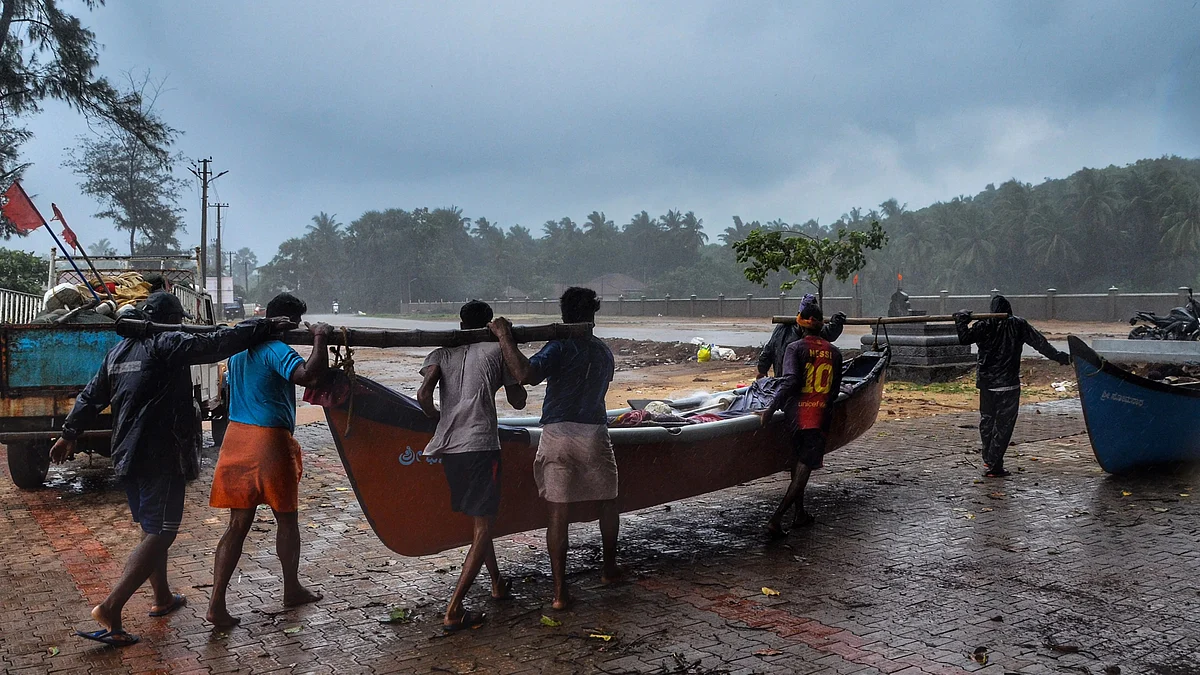
India has created new rules for fishing in its large ocean area, called the EEZ.
These rules mean that boats from other countries can no longer fish there.
The main goal is to help India's own fishermen, especially the smaller ones and groups that work together.
Big boats with engines will need a special 'Access Pass' to fish, but small, traditional boats don't need one.
The government is also stopping harmful fishing methods that hurt the ocean, like using bright lights or certain nets.
They are setting up a digital system to track fish from the sea to the market.
This helps make sure the fish are safe and good quality when sold to other countries.
These changes aim to grow India's fishing industry and ensure there are plenty of fish for the future.

India has notified new deep-sea fishing rules for its Exclusive Economic Zone (EEZ), prioritizing local fishermen and cooperatives.
Foreign vessels are banned from operating in India's EEZ under the new regulations.
Mechanized and large motorized vessels require a free 'Access Pass' obtained online via the ReALCRaft portal; traditional fishers are exempt.
Harmful fishing practices like LED light fishing, pair trawling, and bull trawling are prohibited to protect marine ecosystems.
An integrated digital system aims to ensure end-to-end traceability, sanitary compliance, and eco-labelling for seafood exports.
- Who
- The Government of India (Centre)
- What
- Notified new rules for deep-sea fishing in its Exclusive Economic Zone (EEZ), banning foreign vessels and introducing an 'Access Pass' system for mechanized vessels.
- Where
- India's Exclusive Economic Zone (EEZ)
- When
- November 4
- Why
- To empower local fishermen and their cooperatives, protect marine ecosystems by banning harmful practices, enhance seafood exports through traceability, and utilize high-value tuna resources.
Potential Concerns for Traditional Fishermen
Government's Stated Intentions
Impact of New Regulations on Livelihoods
Potential Concerns for Traditional Fishermen
While the rules prioritize cooperatives, there's a potential concern that traditional fishermen might still face challenges in adapting or competing with technologically advanced operations, impacting their livelihoods.
Government's Stated Intentions
The government aims to empower Fishermen Cooperative Societies and Fish Farmer Producer Organizations (FFPOs) by prioritizing them for deep-sea fishing operations, fostering growth in the marine fisheries sector.
Access Pass for Mechanized Vessels
Potential Concerns for Traditional Fishermen
Although the 'Access Pass' is free, there could be administrative hurdles or accessibility issues for some mechanized vessel owners within the broader fishing community.
Government's Stated Intentions
The 'Access Pass' is a free online requirement for mechanized and large motorized vessels, with traditional and small-scale fishers exempt, to streamline operations for most local fishers.
Key facts
- New Rules Notified
- Rules for deep-sea fishing in India's Exclusive Economic Zone (EEZ)
- Date of Notification
- November 4
- Key Prioritization
- Fishermen Cooperative Societies and Fish Farmer Producer Organizations (FFPOs)
- Access Pass Requirement
- Mandatory for mechanized and large motorized vessels; exempt for traditional and small-scale fishers. Foreign vessels are prohibited.
- Prohibited Fishing Practices
- LED light fishing, pair trawling, and bull trawling
- Digital System for Exports
- ReALCRaft portal integrated with MPEDA and EIC for traceability, sanitary compliance, and eco-labelling
- Geographic Focus
- India's Exclusive Economic Zone (EEZ), including Andaman, Nicobar, and Lakshadweep islands
- Export Revenue
- Rs 60,000 crore
Timeline
Tribal groups protest Great Nicobar project study concerns.
They fear biased reports endanger environment.
Locals opposed Jindal Port over flawed studies.
Protesters cited harm to marine life and livelihoods.
New rules also spark outrage among Maharashtra fishermen.
Quotes

The government
The central governing body of India.
“The rules also bring regulatory reforms recognising fish resources from the Indian EEZ beyond the contiguous zone as 'Indian origin' under revenue and customs norms, so that they are not treated as 'imports' while landing at Indian ports.”
 thehindubusinessline.com
“Crucially, foreign fishing vessels are not allowed to get access pass under any arrangements, to safeguard the interests of small-scale fishers.”
thehindubusinessline.com
Fishery ministry
The government ministry responsible for fisheries.
“The new framework prioritises Fishermen Cooperative Societies and Fish Farmer Producer Organisations (FFPOs) for undertaking deep-sea fishing operations using technologically advanced vessels.”
thehindubusinessline.com
Sources
India not to allow foreign vessels in EEZ waters, notifies Rules

India announces new deep-sea fishing rules — Here's what it means for fishermen, cooperatives
Centre notifies new deep-sea fishing rules: What it means for fishermen, cooperatives
Maharashtra: Traditional Fishermen Mark ‘Black Day’, Protest EEZ Fisheries Rules Allowing Corporate Trawlers Into Indian Seas

Centre notifies new deep-sea fishing rules: What it means for fishermen, cooperatives