

1 hr ago
New Zealand Approves Supervised MDMA Therapy for Severe PTSD
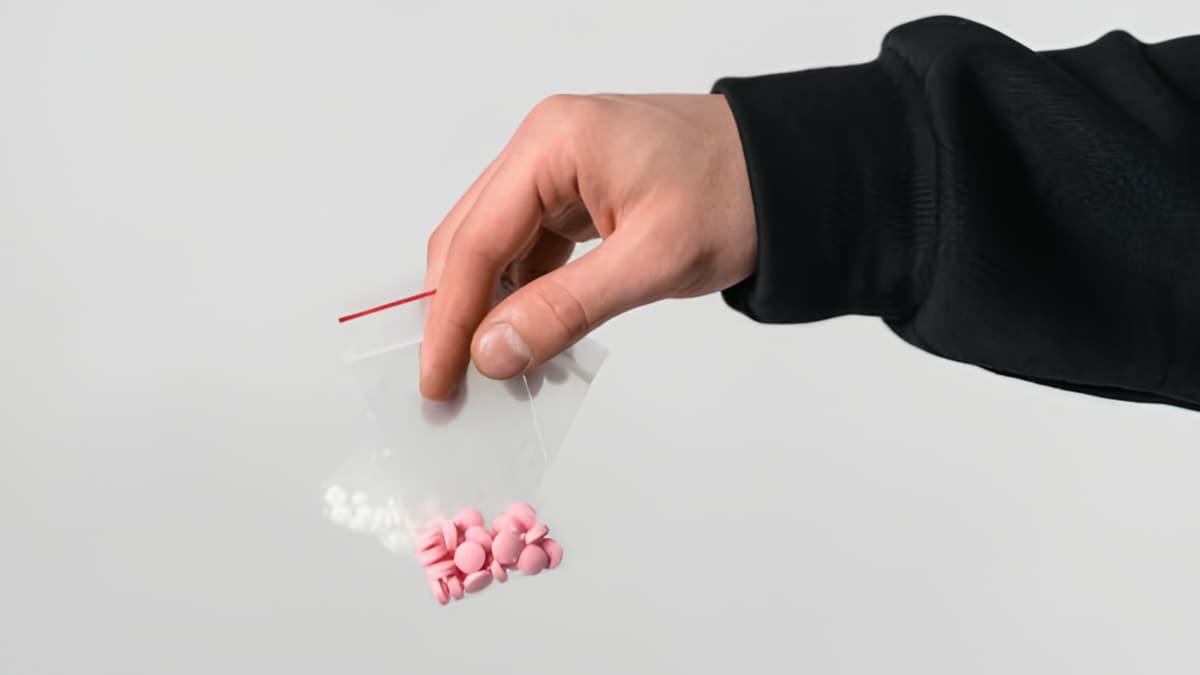
New Zealand has allowed a medicine called MDMA to be used for some adults with severe PTSD.
PTSD is a condition that can happen after very frightening or traumatic experiences.
MDMA is also known as ecstasy or molly when used recreationally.
In this treatment, doctors use pharmaceutical-grade MDMA together with psychotherapy.
Patients will take the medicine only in a clinic and will not receive doses to take home.
Two authorised psychiatrists in New Zealand can currently provide the treatment.
Patients must be adults and pass a detailed medical assessment.
Studies found that many participants improved, but researchers are still debating how safe and effective the treatment is.

New Zealand has approved pharmaceutical-grade MDMA for supervised treatment of severe PTSD in adults.
Only psychiatrists Gary Wynn and Tom Paterson are currently authorised to prescribe the treatment.
Patients must be at least 18, undergo clinical assessment, and receive MDMA alongside psychotherapy.
Treatment involves preparation, a full-day medicine session with therapists, and follow-up integration appointments; doses cannot be taken home.
Phase 3 trials reported substantial improvements, but questions about the therapy’s overall safety and effectiveness remain under debate.
- Who
- Adults with severe PTSD may receive the treatment through authorised psychiatrists Gary Wynn and Tom Paterson.
- What
- New Zealand approved supervised MDMA-assisted psychotherapy using pharmaceutical-grade MDMA.
- Where
- Treatment will take place in controlled clinical settings in New Zealand.
- When
- The approval was reported on September 5, 2026; Australia approved clinical use in 2023.
- Why
- MDMA-assisted psychotherapy is being considered because studies found that it may help some people process trauma and reduce PTSD symptoms, particularly when standard treatments have provided little relief.
Evidence Supporting MDMA Therapy
Safety and Effectiveness Concerns
Clinical benefits
Evidence Supporting MDMA Therapy
Supporters point to two Phase 3 trials reporting substantial improvement and reductions in the number of participants meeting PTSD diagnostic criteria.
Safety and Effectiveness Concerns
The reported findings have not ended debate over whether MDMA-assisted therapy is sufficiently safe and effective.
Role of MDMA
Evidence Supporting MDMA Therapy
The drug may help patients engage with traumatic memories and emotions during structured psychotherapy.
Safety and Effectiveness Concerns
The treatment remains a tightly controlled clinical approach rather than routine prescribing, with approved protocols, informed consent, and case-by-case decisions required.
Key facts
- Regulator
- New Zealand’s medicines regulator, Medsafe
- Eligible patients
- Adults aged 18 or older with severe PTSD, following comprehensive assessment
- Authorised psychiatrists
- Gary Wynn in Wellington and Tom Paterson in Auckland
- Treatment setting
- Controlled clinical environments with no take-home doses
- Therapy structure
- Preparation, a full-day medicine session, typically involving two therapists, and follow-up integration appointments
- Trial findings
- The article reports 88% clinically significant improvement in one 2021 trial and 71.2% no longer meeting PTSD criteria in a 2023 trial
- International context
- New Zealand is described as the second country after Australia to permit clinical MDMA treatment for PTSD
Sources
Related news
New Zealand Approves Supervised MDMA Therapy for Severe PTSD

Why Sleep May Hold the Key to Psychedelic Mental-Health Treatment
Netherlands Issues Red Alert Over Trump-Shaped Ecstasy Pills

DRI Busts Illegal Tramadol Export Network, Seizes 2 Lakh Tablets

Over 12 Kg MDMA Seized in Coimbatore; Three Arrested

Air India pilot's preliminary drug test non-negative after altitude-loss incident

Mamitha Baiju’s 2026 Box-Office Run Meets Health Scare

Odisha Village Drummers Preserve Craft Rooted in Rural Life

Former NewJeans Member Danielle Launches YouTube Channel, Signals Solo Chapter

Auto Week Brings New SUVs, Motorcycles, Sedans And EV Bookings