1 week ago
Uttar Pradesh Government Responds as Gen Alpha School Protests Spread
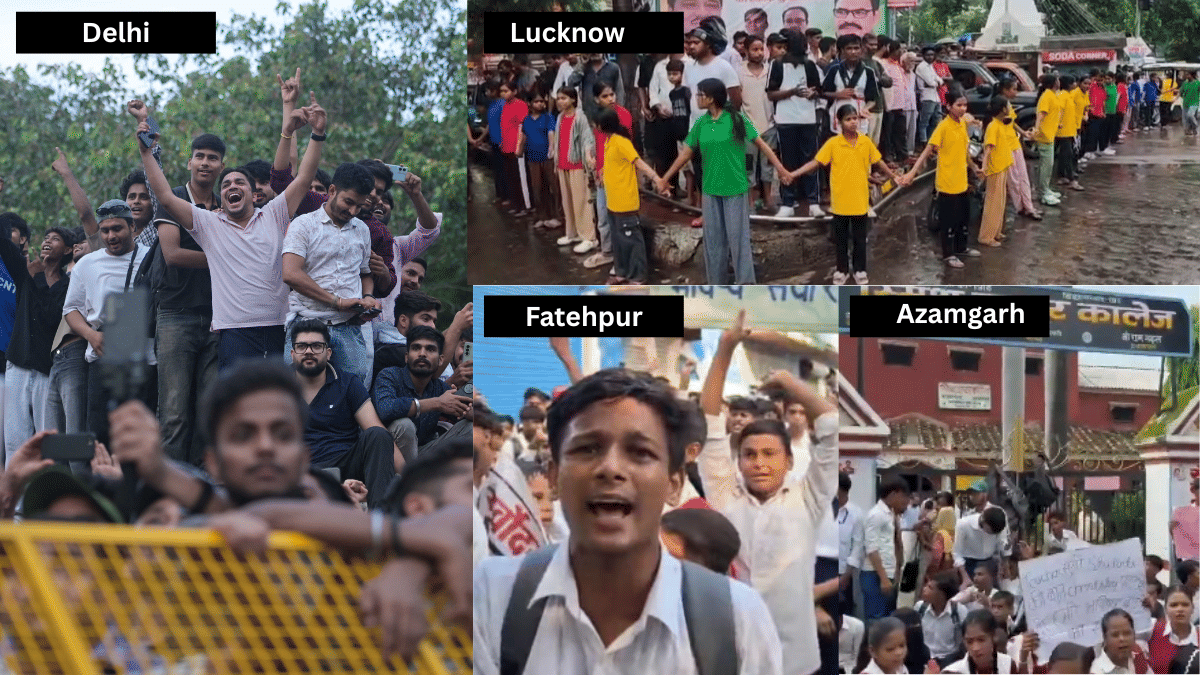
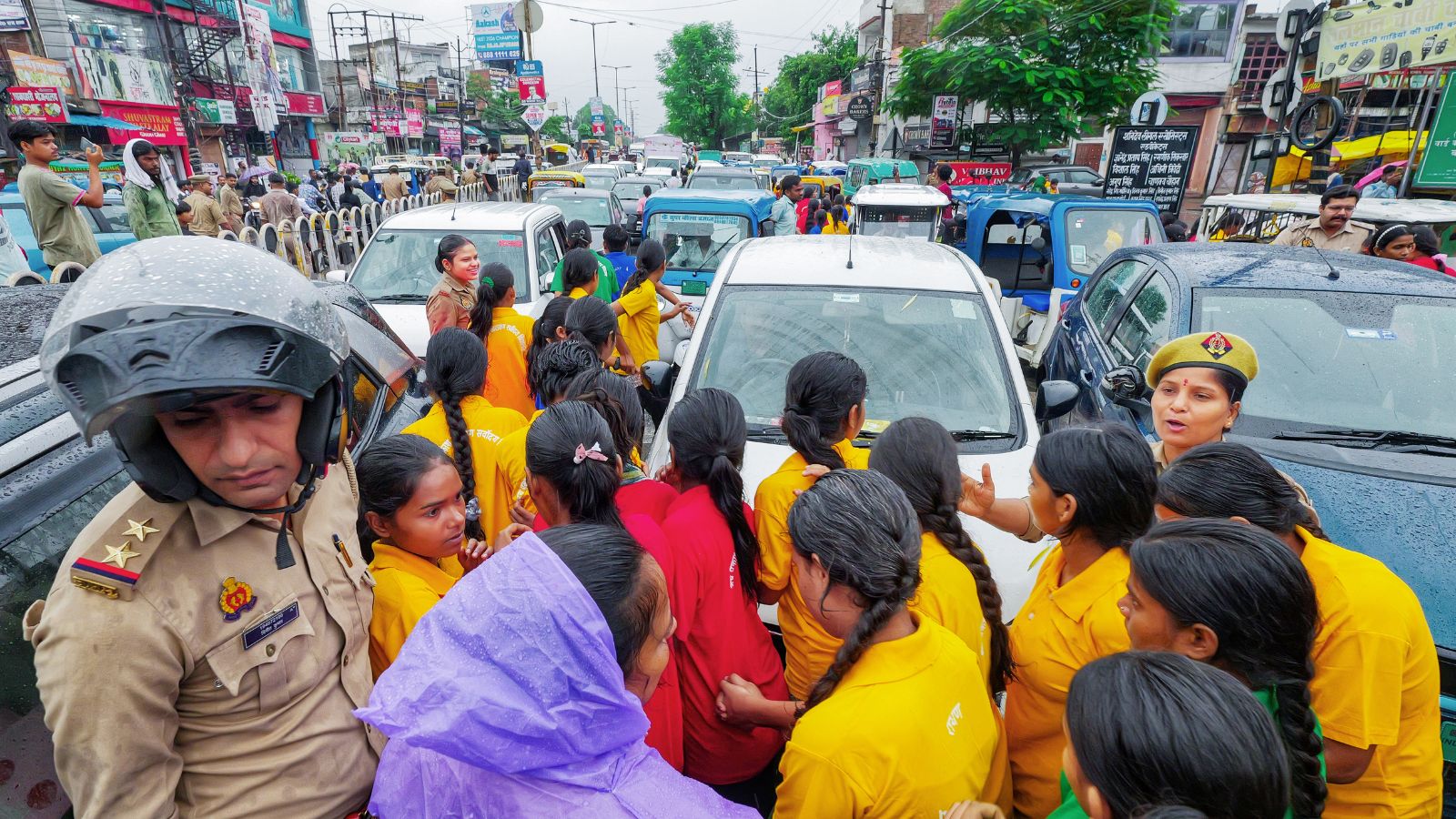
Schoolchildren in Uttar Pradesh have been protesting about problems in their schools.
They have complained about buildings, furniture, food, teachers and other basic needs.
Seven protests happened in 23 days.
The first reported protest began in Fatehpur on 28 July.
The state government has told senior officials to listen to students and solve genuine problems quickly.
Officials will visit schools and talk with children and their parents.
Some officials may even teach classes to understand the situation better.
The government will also check social-media complaints and clarify claims that are false or misleading.

Seven school protests across Uttar Pradesh in 23 days have prompted a government-wide response.
Senior officials must investigate and promptly resolve complaints about facilities, food, teachers and education quality.
District officials will visit schools, speak with students and parents, and assess learning conditions.
The protests began in Fatehpur on 28 July and later spread to six other districts.
Authorities will monitor social-media complaints while requiring permission for influencers to enter some schools.
- Who
- School students, their parents, Uttar Pradesh officials and the Yogi Adityanath government.
- What
- A series of school protests over poor facilities and other education-related complaints prompted instructions for investigations and rapid action.
- Where
- Across Uttar Pradesh, including Fatehpur, Lucknow, Kannauj, Azamgarh, Unnao, Hamirpur and Meerut.
- When
- The protest pattern began on 28 July; seven protests were reported over the following 23 days, with further government instructions issued on Wednesday.
- Why
- Students raised concerns about school infrastructure, food quality, teacher shortages, teaching arrangements and other basic facilities; the government also cited the need for communication and concern about the protests’ political impact.
Students’ Concerns
Government Response
School conditions
Students’ Concerns
Students protested over poor infrastructure, inadequate furniture, food quality, teacher shortages and other basic facilities.
Government Response
The government ordered officials to visit schools, assess conditions and promptly resolve genuine complaints.
Social-media activity
Students’ Concerns
Students’ grievances are being raised publicly, including through protests and social-media content.
Government Response
Officials were told to monitor online complaints, issue immediate clarifications about false or misleading information, and restrict unauthorized influencer access to some schools.
Purpose of intervention
Students’ Concerns
Students’ demonstrations followed long-pending concerns, and at least some protests produced administrative action.
Government Response
A senior Chief Minister’s Office official said communication was necessary because students and their parents could influence future voters and because some content might be intended to damage the government’s image.
Key facts
- Protests reported
- Seven protests in 23 days
- First reported protest
- Fatehpur on 28 July
- Districts mentioned
- Fatehpur, Lucknow, Kannauj, Azamgarh, Unnao, Hamirpur and Meerut
- Officials involved
- Divisional commissioners, district magistrates, district-level officials and designated Chief Minister’s Office nodal officers
- Student concerns
- School condition, education quality, food, teaching arrangements, teacher shortages and basic facilities
- Fatehpur outcome
- The school received new fans and classroom furniture
- Social-media policy
- Officials must monitor student complaints; some districts require permission for YouTubers and influencers to enter schools
Quotes
Senior CMO official
A senior official from the Chief Minister’s Office
“This pattern of Gen Alpha is worrisome. Many of them are going to be first-time voters also. Their parents are also under their influence. If we do not address their issue, we might end up losing many of our voters. So we decided to address the issue. Communication is the only solution.”
 theprint.in
Sources
Related news
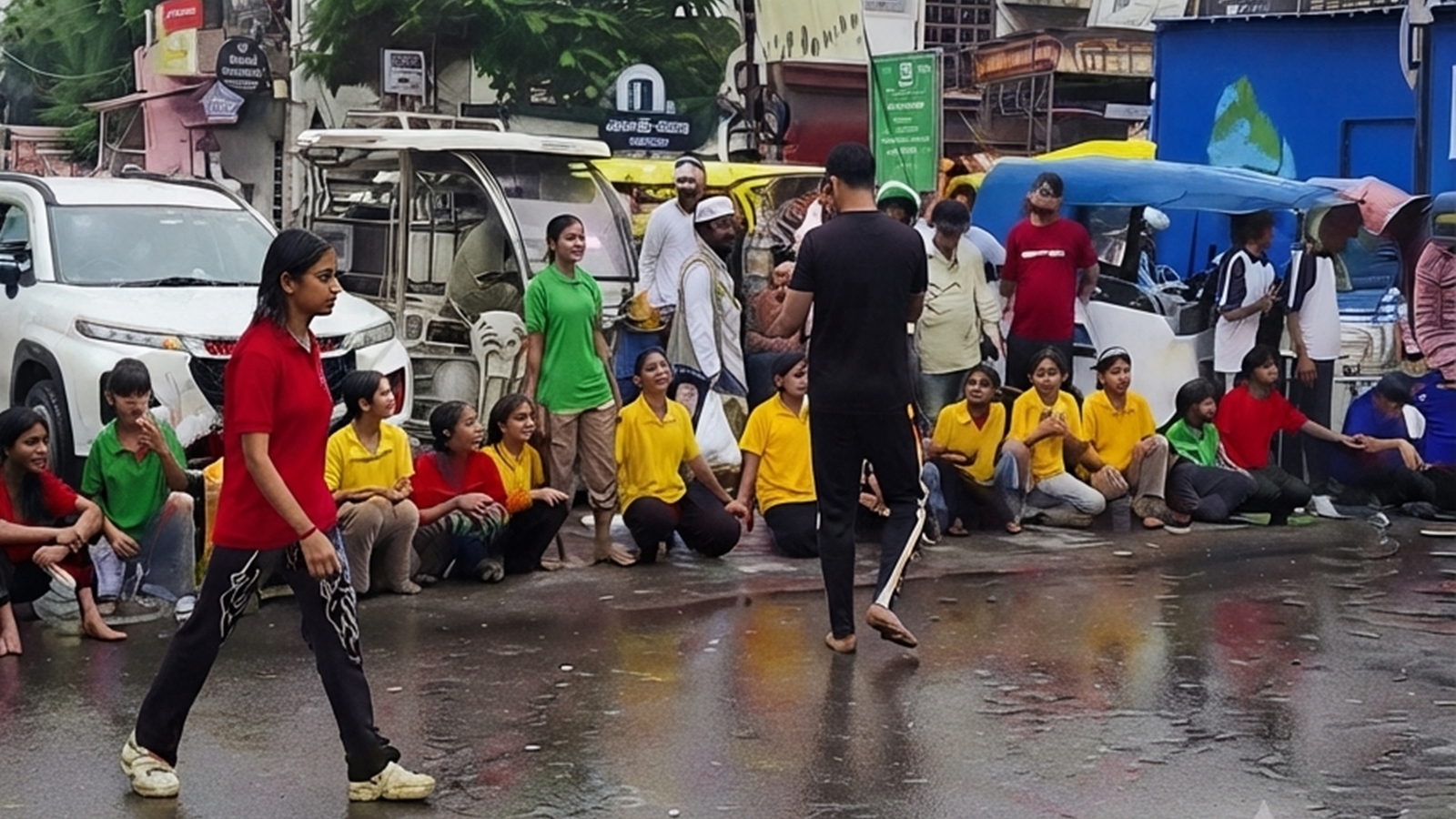
Uttar Pradesh Students Take School Complaints To Streets

Unnao Students Protest Food, Water and Teacher Shortages

Gen Alpha Students Protest India’s Failing Government Schools
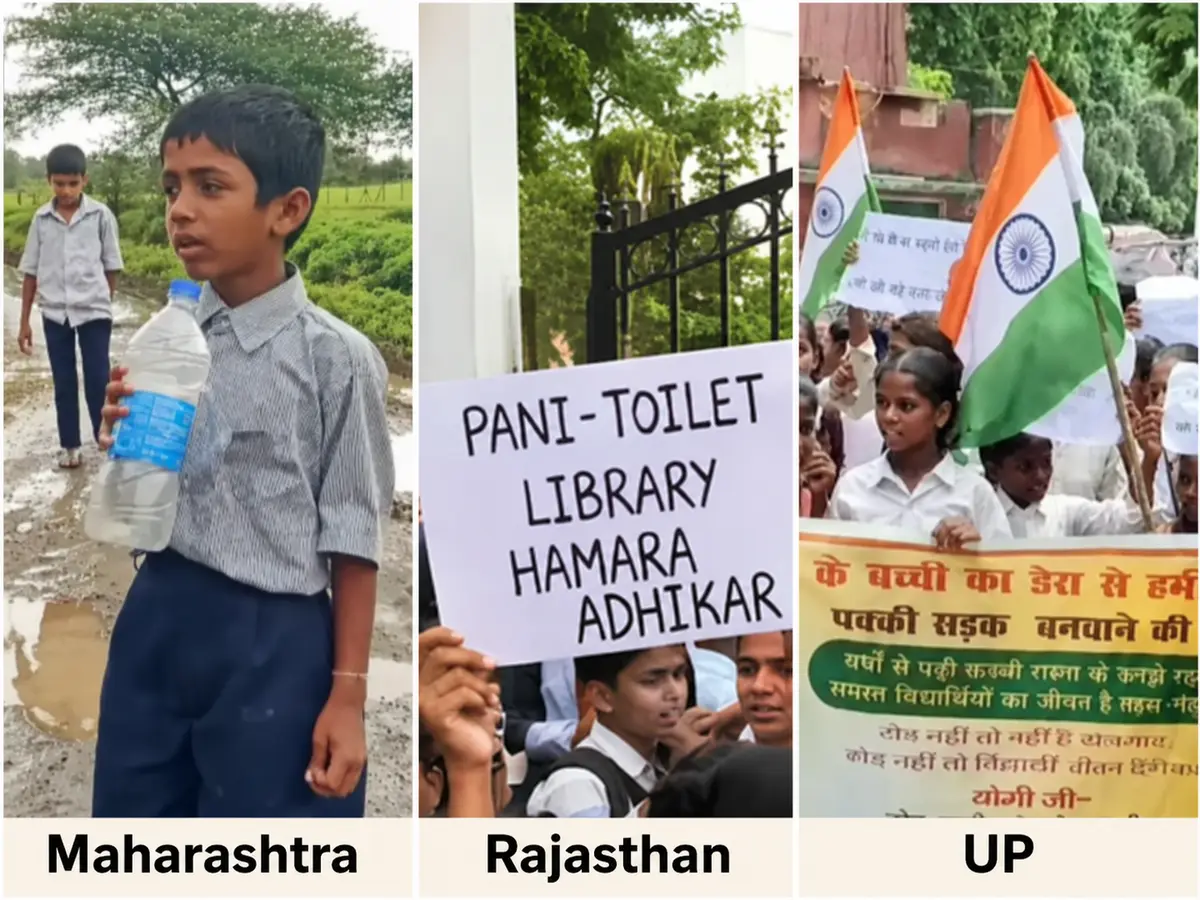
Gen Alpha protests sweep India demanding better schools and amenities
UP Acts After Gen Alpha Protests Over School Facilities

EPFO Identifies PF Trusts Eligible for Amnesty Scheme 2026

Delhi Police Bust Interstate Arms Racket, Arrest Two
70-Year-Old Man Murdered in Etawah Cattle Shed
Banke Bihari Temple to Livestream Rare Janmashtami Mangala Aarti
Muslim Artisans Sustain Mathura’s Unique Janmashtami Craft Tradition