

1 week ago
Why Americans Are Cutting Ties With Parents and Siblings

Some adults stop talking to parents or other relatives when family relationships feel disrespectful or unsafe.
This usually happens slowly rather than because of one dramatic event.
People may want apologies, accountability, equal treatment or better boundaries.
Relatives may instead believe that family members must stay loyal because they are related.
The article calls this disagreement a "kinship culture clash."
Phones can make it harder for people to create distance because relatives can contact them constantly.
Estrangement does not always mean someone wants to be alone or has rejected family.
Many people create a chosen family with friends, partners and neighbors.
They may be looking for a family relationship that feels supportive and mutual.

Family estrangement often develops gradually from conflicting expectations about loyalty, respect, accountability and personal growth.
A 2022 study found that 26% of American adults had experienced estrangement from their fathers and 6% from their mothers.
A 2020 national survey found that 27% of Americans, roughly 67 million people, were estranged from a relative.
The article says existing data do not show that estrangement rates are suddenly skyrocketing, though fewer children and constant digital contact may raise its impact.
Many estranged people rebuild family networks with friends, partners, in-laws and neighbors based on mutual support and reciprocity.
- Who
- American adults who become estranged from parents, siblings and other relatives, including people interviewed by sociologist Rin Reczek.
- What
- A discussion of why family estrangement occurs and how people rebuild relationships outside their families of origin.
- Where
- The United States.
- When
- The article cites a 2022 study and a 2020 national survey; it does not provide a publication date for the article.
- Why
- Estrangement often follows a clash between expectations of biological loyalty and hierarchy and expectations of respect, accountability, emotional safety and reciprocity.
Compulsory Kinship
Democratised Kinship
What makes someone family?
Compulsory Kinship
Family ties are permanent or unconditional because people are connected by biology, age, origin and family roles.
Democratised Kinship
Family bonds depend on behavior, mutual respect, support and reciprocity; biological ties do not automatically create intimacy.
Duties toward relatives
Compulsory Kinship
People should maintain contact and care for relatives, including attending family events and helping aging parents, because family obligations are binding.
Democratised Kinship
Adults may set boundaries or end contact when relationships do not provide respect, accountability or emotional safety.
Meaning of estrangement
Compulsory Kinship
Estrangement can be viewed as a rejection of family loyalty and established obligations.
Democratised Kinship
Estrangement can allow people to rebuild family through chosen relationships with friends, partners, in-laws and neighbors.
Key facts
- 2022 study
- Twenty-six percent of adult children experienced a period of estrangement from their fathers, while 6% experienced one from their mothers.
- 2020 survey
- Karl Pillemer's national survey found that 27% of Americans were estranged from a relative.
- Estimated number
- The 27% figure represents roughly 67 million Americans.
- Interviews
- Rin Reczek conducted 68 in-depth interviews with adults who had ended contact with relatives.
- Filial piety laws
- Twenty-seven U.S. states have laws requiring adult children to provide financial and, in some cases, direct caregiving support for aging parents.
- Common causes
- Interviewees commonly cited poor adult relationships, lack of accountability, inadequate boundaries, disrespect and unresolved conflict.
- Chosen family
- After estrangement, many people built kinship networks involving friends, partners, in-laws and neighbors.
Quotes
Molly
A 36-year-old interview participant who became estranged from her mother
“I think you can have your chosen family, and whoever in your biological family you connect to. Everybody just gets to choose who they feel they have a real, intimate, deep connection with. And that’s your family.”
 firstpost.com
“You’ve done all these horrible things. I just need you to acknowledge it. I feel like I’m owed an apology.”
firstpost.com
Sources
Related news

Why Adult Sibling Distance Can Feel Like Unspoken Grief

Maya Satya Bhram Examines Love, Silence and Marital Distance
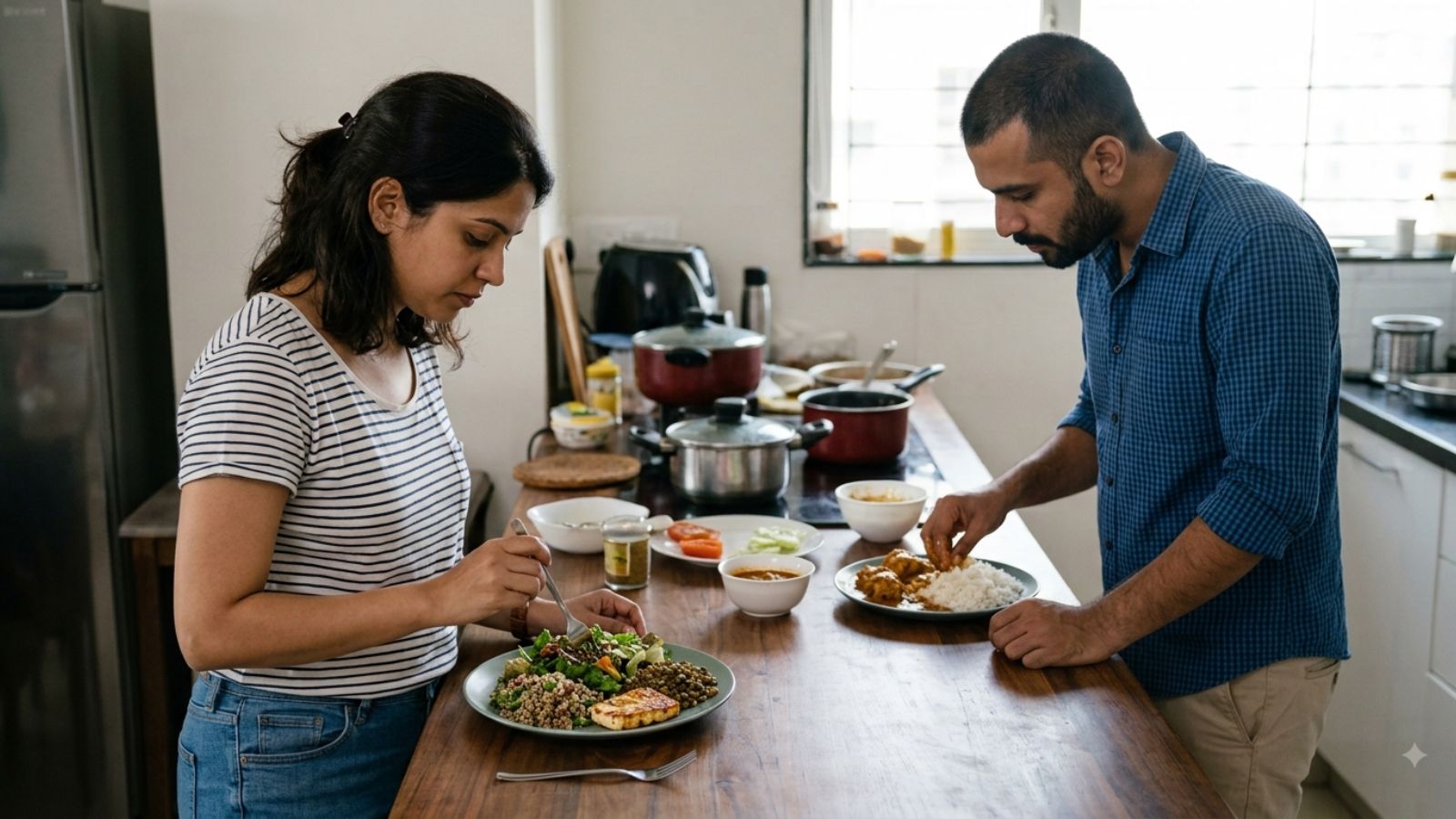
What 'food divorce' could mean for couples' relationships

Maharashtra Hill Tragedy Spurs Dispute Over iPhone Narrative

Pyaar Prema Kalyanam Review: Modern Marriage Meets Traditional Family Values

Attitudinal Change Needed as Relationships Become Transactions, Columnist Says

Ohio State Names Maurice Clarett First 2026 Victory Bell Ringer
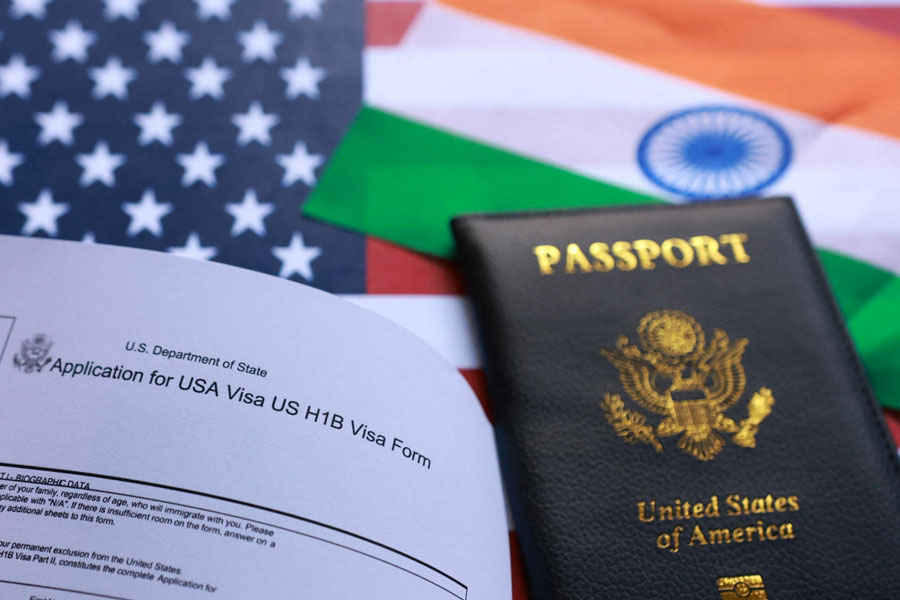
US Universities Urge Indian Students to Return Before September 15
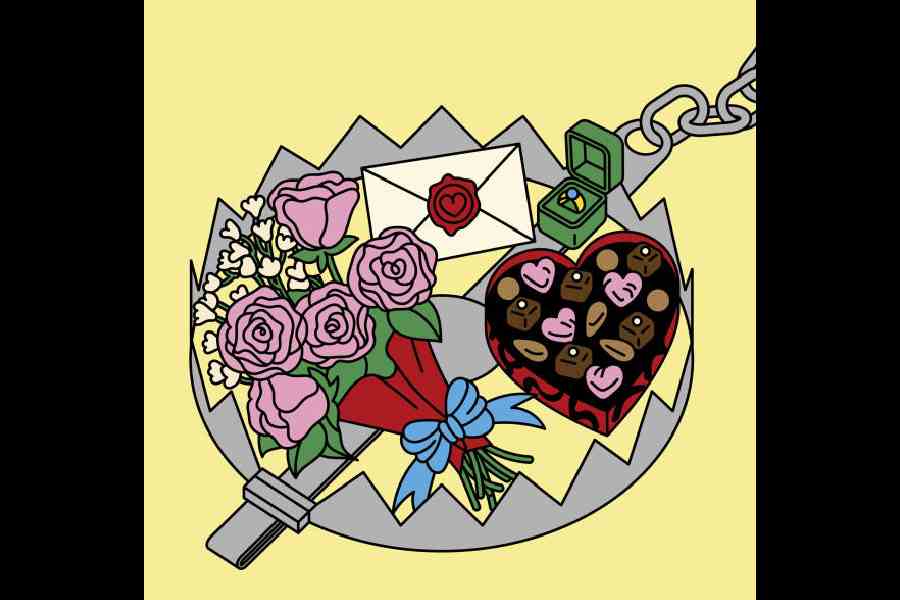
Love Bombing Can Mask Emotional Manipulation and Relationship Control
US Universities Issue Travel Advisories Before September 15 Visa Rule
