2 weeks ago
From Cholas to British, governing India tied to temple religion
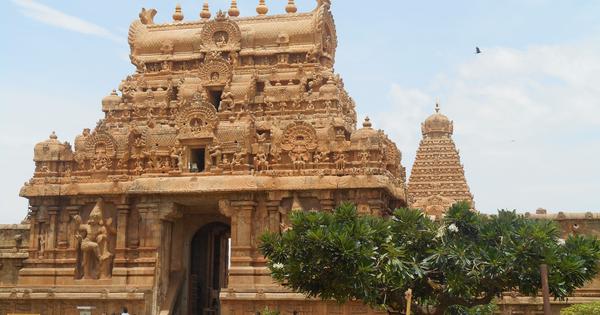
A long time ago in India, kings and temples worked very closely together.
People believed the god in a temple was like a king, so temples treated the god with royal honors.
Chola kings and queens gave temples lots of gifts, like land, jewelry, and statues.
Queen Sembiyan Mahadevi gave statues of the dancing god Nataraja to almost 3,000 temples.
Her son, King Uttama Chola, let temples lend money to weavers, and the interest paid for temple festivals.
Temples also taught people and housed travelers, so they were very important to communities.
Later, the British East India Company took charge of temple money and lands.
In 1817, they made a rule to make sure temple gifts were used the way the givers wanted.
This shows that religion and ruling were connected in India for hundreds of years.

A new book argues that governing India from the Chola era to British rule was inseparable from religion and temple patronage.
Chola Queen Sembiyan Mahadevi donated Nataraja figures to nearly 3,000 temples to build support among devout subjects.
King Uttama Chola allowed temples to lend money to weavers, with interest payments funding annual temple festivals.
The British East India Company set up the Board of Revenue in 1789 and enacted the Madras Endowments and Escheats Regulation in 1817.
Temple finances were deposited in the Company's treasury, with the Company retaining a portion as banking charges.
- Who
- Indian rulers from the Chola dynasty to the British East India Company, including Queen Sembiyan Mahadevi, King Uttama Chola, and author Manuraj Shunmugasundaram
- What
- The evolving relationship between sovereigns and temples, covering royal patronage, temple economies, and administration of religious endowments
- Where
- India, particularly the Tamil region including Chennai, Madurai, Kanchipuram, and the Kaveri Delta
- When
- From the 9th to 11th centuries AD under the Cholas through the British Regulation of 1817
- Why
- Rulers used temple patronage to cement their authority and connect with subjects, while the British sought to ensure endowments were used for their intended public purposes
Key facts
- Book
- The People's Sanctum: The 100-Year Struggle to Democratize Temples in India
- Author
- Manuraj Shunmugasundaram
- Chola era
- 9th-11th centuries AD
- Nataraja figures donated by Sembiyan Mahadevi
- Nearly 3,000
- Board of Revenue established
- 1789
- Madras Endowments and Escheats Regulation
- 1817
- Scholars cited
- Arjun Appadurai and Carol A Breckenridge
- Chola kingdom extent
- Kaveri Delta region to present-day Kanchipuram
Quotes

Sembiyan Mahadevi
Chola queen and patron of temples
“"make herself memorable to Tamil Shiva-worshippers"”
 scroll.in

British East India Company Regulation
Text from the 1817 Madras Endowments and Escheats Regulation
“"the duty of the Government to provide that all such endowments be applied according to the real will of the grantor"”
scroll.in
Sources
Related news

Two Temples Formally Handed Over to Endowments Department
Supreme Court Orders Donation Oversight at Banke Bihari Temple
Vijayawada MP Vows Support for NTR District Temple Development

Vemulawada Temple Plans Digital Payments for Devotee Services
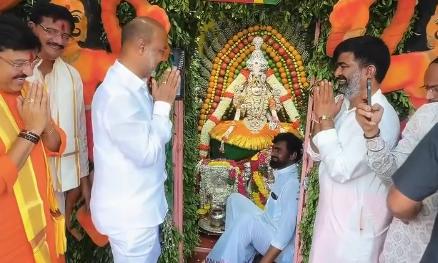
Bandi Sanjay Kumar criticises Rama Rao, state over temple funds

Karnataka Drought List Triggers Protests Across Excluded North Karnataka Areas

Karnataka Tourism plans 'Clean and Green Hampi' conservation campaign
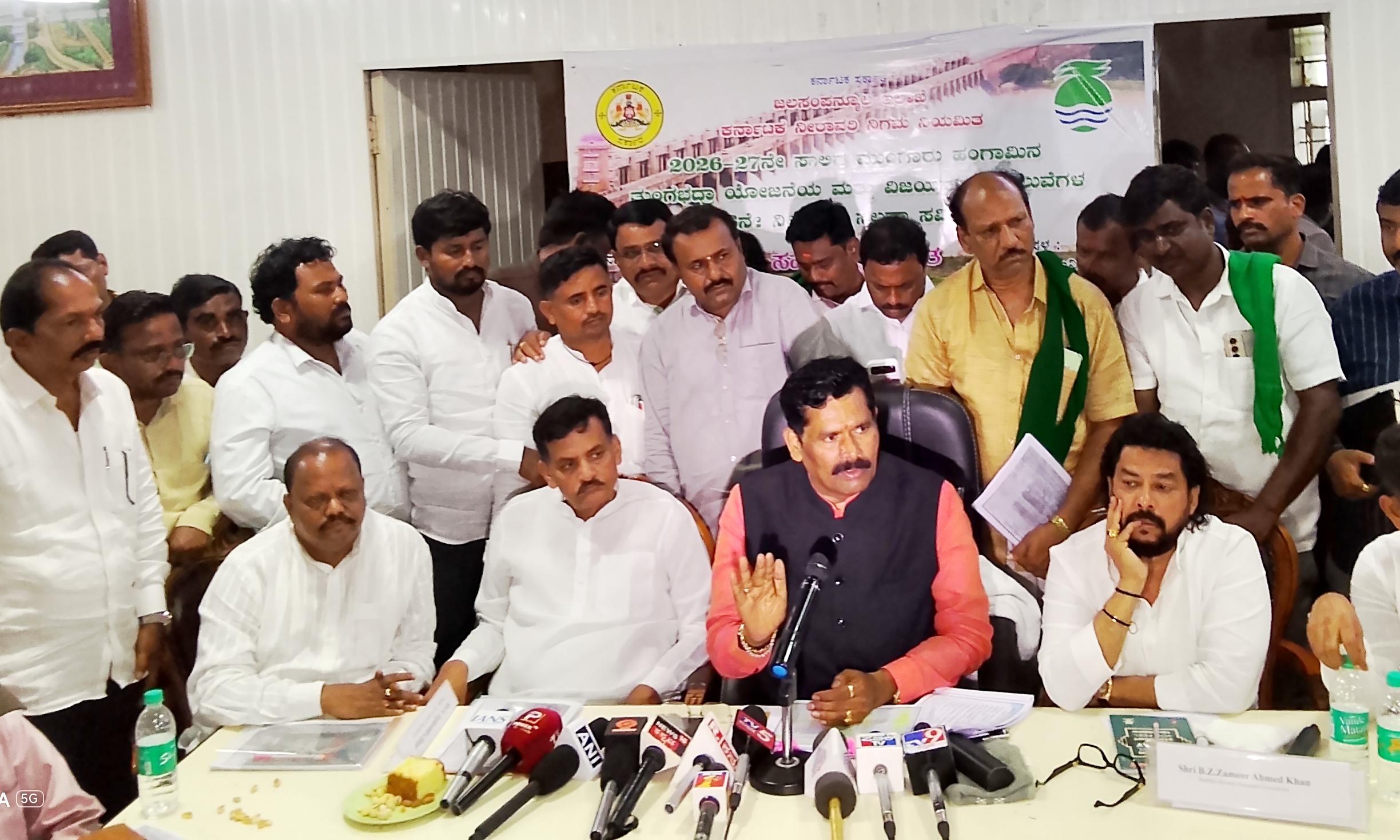
Tungabhadra Canals Get Water for 90 Days Amid Tight Storage

Karnataka Faces 35% Rainfall Deficit Amid Weak Monsoon